
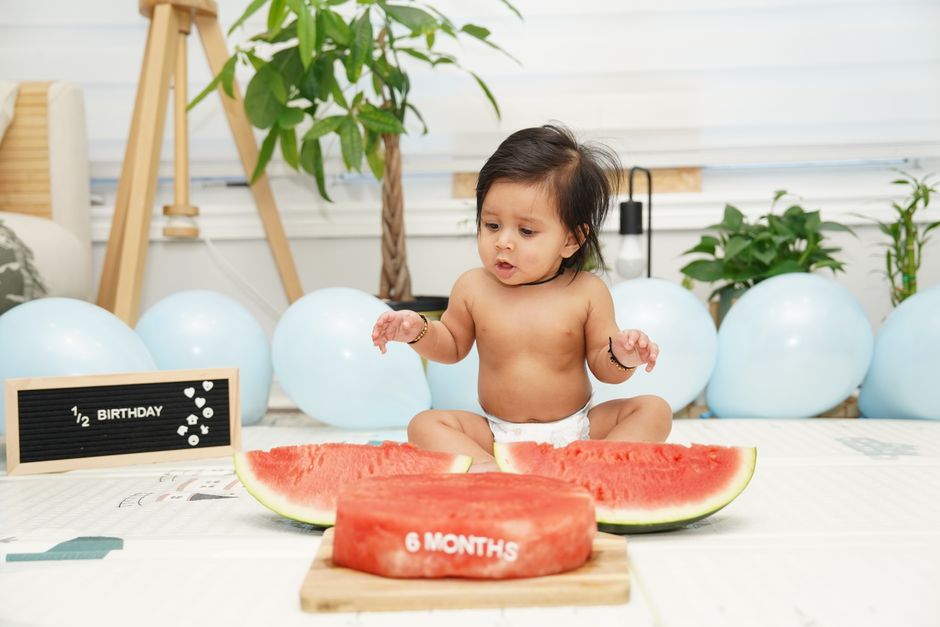
A 10-month-old should eat about three meals of solid food per day, plus one or two snacks, with each meal being roughly 4 to 8 tablespoons total. This amount varies by baby, but the goal is to transition from milk to solid foods as the main source of calories by age 12 months. At this age, breast milk or formula still provides important nutrition, but solid foods should make up a growing part of their diet.
How Much Solid Food Should A 10 Month Old Eat Per Meal?
Most 10-month-olds eat between 4 and 8 tablespoons of solid food per meal. That is about a quarter to a half cup. But do not stress over exact measurements. Babies are good at self-regulating. They eat when hungry and stop when full.
Offer a mix of foods at each meal. Think soft fruits, cooked vegetables, finely chopped meat or beans, and iron-fortified cereals. A typical breakfast might be 2 tablespoons of oatmeal mixed with mashed banana and 2 tablespoons of scrambled egg. Lunch could be 3 tablespoons of mashed sweet potato with 2 tablespoons of shredded chicken. Dinner might be 4 tablespoons of soft pasta with finely chopped broccoli and ground turkey.
Watch your baby’s cues. If they turn their head, push food away, or close their mouth, they are done. Do not push them to finish a certain amount. Forcing food can create negative eating habits.
How Does Solid Food Intake Change From 10 to 12 Months?
Between 10 and 12 months, solid food intake increases steadily. At 10 months, a baby might get about 25 to 30 percent of their calories from solids. By 12 months, that number rises to roughly 50 percent or more. The American Academy of Pediatrics notes that by age 1, most children should be eating three meals and two snacks per day, with milk as a complement rather than a primary source.
This shift happens naturally as babies eat more at each meal. You might notice your 10-month-old finishing a full serving of food at breakfast but still wanting a full bottle afterward. That is normal. As they approach 12 months, the bottle size and frequency decrease. The key is to offer solids first, then milk about 30 minutes later. This ensures they eat solids when hungry.
What Foods Should I Offer a 10-Month-Old?
Focus on nutrient-dense foods. Iron, zinc, and protein are critical at this age because breast milk and formula no longer provide enough of these nutrients alone. The Centers for Disease Control and Prevention (CDC) recommends offering a variety of textures and flavors to support healthy eating habits.
Good options include:
- Soft, ripe fruits like banana, avocado, pear, and peach
- Cooked vegetables like carrot, sweet potato, zucchini, and peas
- Finely ground or shredded meat, poultry, or fish
- Soft beans like black beans or lentils, mashed slightly
- Iron-fortified infant cereals mixed with breast milk or formula
- Soft, pasteurized cheese or plain full-fat yogurt
- Small pieces of soft bread or teething crackers
Avoid honey until after age 1 due to botulism risk. Also skip whole nuts, hard candies, and large chunks of raw vegetables that pose choking hazards. The CDC reports that choking is a leading cause of injury in young children, so always cut food into small, soft pieces.




How Do I Know If My Baby Is Eating Enough?
Watch for steady weight gain and at least four to six wet diapers per day. These are reliable signs that your baby is getting enough nutrition. The World Health Organization growth charts are a standard tool pediatricians use to track progress. If your baby stays on their growth curve, they are likely eating enough.
Another sign is energy and development. A well-fed 10-month-old is active, curious, and reaching milestones like sitting without support, crawling, and pulling to stand. If your baby seems lethargic, loses weight, or stops gaining weight over two weeks, talk to your pediatrician.
Some babies eat more on some days and less on others. That is normal. Growth spurts can temporarily increase appetite. Teething can temporarily decrease it. The key is consistency over weeks, not hours.
What About Milk? How Much Should a 10-Month-Old Drink?
At 10 months, breast milk or formula still matters. Aim for about 24 to 32 ounces per day total. That is roughly four to five nursing sessions or bottles. Offer milk after solid meals, not before. This prevents filling up on milk and skipping solid foods.
Do not give cow’s milk as a main drink until after 12 months. The American Academy of Pediatrics advises that cow’s milk lacks the right balance of iron and other nutrients for babies under 1. Small amounts in cooking or yogurt are fine, but not as a beverage.
If your baby drinks too much milk, they may eat less solid food. That can lead to iron deficiency. A study in the journal Pediatrics found that excessive milk intake is a common cause of iron deficiency anemia in toddlers. So keep milk amounts within the recommended range.
Common Mistakes Parents Make With 10-Month-Old Feeding
One common mistake is offering too many purees. At 10 months, babies need texture and practice chewing. Purees do not build oral motor skills. Offer soft, lumpy foods and finger foods that dissolve easily. This helps them transition to table foods by 12 months.
Another mistake is comparing your baby to others. Feeding amounts vary widely. Some 10-month-olds eat 2 tablespoons per meal. Others eat 10. Both can be healthy. Focus on your baby’s growth and hunger cues, not a neighbor’s baby or a social media post.
A third mistake is giving up on a new food after one try. Research published in the journal Appetite shows that babies may need 8 to 15 exposures to a new food before accepting it. Keep offering vegetables, even if your baby spits them out at first. Persistence pays off.
What Does a Typical Day of Eating Look Like for a 10-Month-Old?
A sample day might look like this:
| Time | Meal | Amount |
|---|---|---|
| 7:00 AM | Breast milk or formula | 6-8 oz |
| 8:00 AM | Breakfast: Oatmeal with mashed banana | 4-6 tbsp |
| 12:00 PM | Lunch: Shredded chicken with soft carrot pieces | 4-6 tbsp |
| 3:00 PM | Snack: Plain yogurt with soft peach | 3-4 tbsp |
| 5:30 PM | Dinner: Soft pasta with ground turkey and peas | 6-8 tbsp |
| 7:00 PM | Breast milk or formula | 6-8 oz |
This is just a sample. Adjust based on your baby’s appetite and schedule. Some babies eat more at breakfast, others at dinner. The total solid food per day is typically 12 to 24 tablespoons across all meals and snacks.
Frequently Asked Questions
How many times a day should a 10-month-old eat solid food?
Most 10-month-olds eat three meals and one or two snacks per day. This aligns with the transition toward a toddler eating pattern.
Can a 10-month-old eat too much solid food?
It is uncommon but possible if solid foods replace too much milk. Keep milk intake at 24 to 32 ounces daily to ensure balanced nutrition.
What are the best first finger foods for a 10-month-old?
Soft, dissolvable foods like steamed carrot sticks, ripe pear slices, and teething crackers are safe and easy for babies to pick up.
Should I worry if my 10-month-old refuses solid food sometimes?
Occasional refusal is normal, especially during teething or illness. If refusal lasts more than a few days or your baby loses weight, consult your pediatrician.
