
Most healthy 79-year-old men need about 1.0 to 1.2 grams of protein per kilogram of body weight each day. For a man weighing 70 kg (about 154 pounds), that works out to roughly 70 to 84 grams of daily protein. This is higher than the general adult recommendation of 0.8 grams per kilogram, because protein needs rise with age even as appetite and muscle mass tend to fall.
How Much Protein Needed For A 79 Year Old Male?
The standard adult protein recommendation is 0.8 grams per kilogram of body weight per day. That figure is a minimum to prevent deficiency in younger, healthy adults. It was never designed to protect muscle in older age.
For adults over 65, a large body of research points to higher targets. The PROT-AGE study group, an international panel of geriatric and nutrition researchers, recommended 1.0 to 1.2 grams per kilogram per day for healthy older adults. For those who are ill, recovering from injury, or malnourished, the panel suggested up to 1.2 to 1.5 grams per kilogram per day.
So for a 79-year-old man, the working range is:
- Healthy and active: 1.0 to 1.2 g/kg per day
- Recovering from illness, surgery, or a hospital stay: 1.2 to 1.5 g/kg per day
- Living with kidney disease: protein targets are individualized — see your doctor
Here is a quick reference for common body weights:
| Body weight | Daily protein (1.0 g/kg) | Daily protein (1.2 g/kg) |
|---|---|---|
| 60 kg (132 lb) | 60 g | 72 g |
| 70 kg (154 lb) | 70 g | 84 g |
| 80 kg (176 lb) | 80 g | 96 g |
| 90 kg (198 lb) | 90 g | 108 g |
These are targets, not hard limits. Going somewhat above them is not harmful for most healthy older men. Falling well below them for weeks or months is where the risk lies.
Why Do Protein Needs Go Up With Age?
Older muscle responds less efficiently to protein than younger muscle. This is a well-documented biological change called anabolic resistance. When a 25-year-old eats a protein-rich meal, their muscle-building response is strong and quick. In a 79-year-old, the same meal produces a smaller response.
To get a comparable muscle-building signal, older adults generally need more protein per meal and more protein overall. The mechanism is understood at the cellular level. Protein digestion releases amino acids into the blood, which trigger muscle protein synthesis. With age, that trigger becomes blunter. More amino acids are needed to get the same effect.
At the same time, several things tend to reduce protein intake in this age group:
- Appetite declines with age — a pattern sometimes called the anorexia of aging
- Chewing problems, dry mouth, or denture issues make meat harder to eat
- Fixed incomes can push people toward cheaper, lower-protein foods
- Medications can cause nausea or taste changes
- Living alone often means simpler, less varied meals
The result is a double bind. Protein needs rise while intake tends to fall. That gap is one reason muscle loss accelerates in the late 70s and 80s.
What Happens If a 79-Year-Old Man Doesn’t Get Enough Protein?
Muscle mass declines steadily after age 60. When protein intake is too low, that decline speeds up. The medical term is sarcopenia — age-related loss of muscle mass and strength.
Sarcopenia matters because muscle is not just about appearance. It affects balance, walking speed, grip strength, and the ability to get out of a chair. Adults with low muscle mass fall more often. Hip fractures in this age group carry serious risks, including loss of independence and increased mortality in the year following the fracture.
Low protein intake is also linked to slower wound healing, weaker immune function, and longer recovery after illness or surgery. During a hospital stay, older adults can lose muscle quickly. Adequate protein during and after recovery is one factor that influences how much function returns.
Some research suggests protein intake in the range of 1.0 to 1.2 g/kg per day is associated with better preservation of lean mass in older adults compared with the standard 0.8 g/kg. This is not a guarantee against muscle loss — resistance exercise is the strongest known stimulus for maintaining muscle — but protein appears to support it.




Does Protein Timing Matter for Older Adults?
Yes, and this is where older adults differ from younger ones. Research on muscle protein synthesis suggests that older adults need a larger single dose of protein per meal to trigger muscle building — on the order of 25 to 30 grams per meal, compared with about 20 grams for younger adults.
Spreading protein across the day also appears to help. Many older adults eat most of their protein at dinner and very little at breakfast. Some studies indicate that a more even distribution — roughly 25 to 30 grams at each main meal — supports muscle maintenance better than the same total eaten in one sitting.
This is an area of active research, and results are not fully consistent across studies. What is clear is that total daily intake matters most. Timing is a secondary consideration.
Which Foods Help Meet a Higher Protein Target?
Whole foods are the preferred source for most people. They bring protein along with other nutrients that matter in older age, like calcium, vitamin B12, and iron.
Good sources include:
- Chicken, turkey, lean beef, and pork
- Fish, including canned tuna and salmon
- Eggs
- Greek yogurt and cottage cheese
- Milk and fortified soy milk
- Beans, lentils, and chickpeas
- Tofu and tempeh
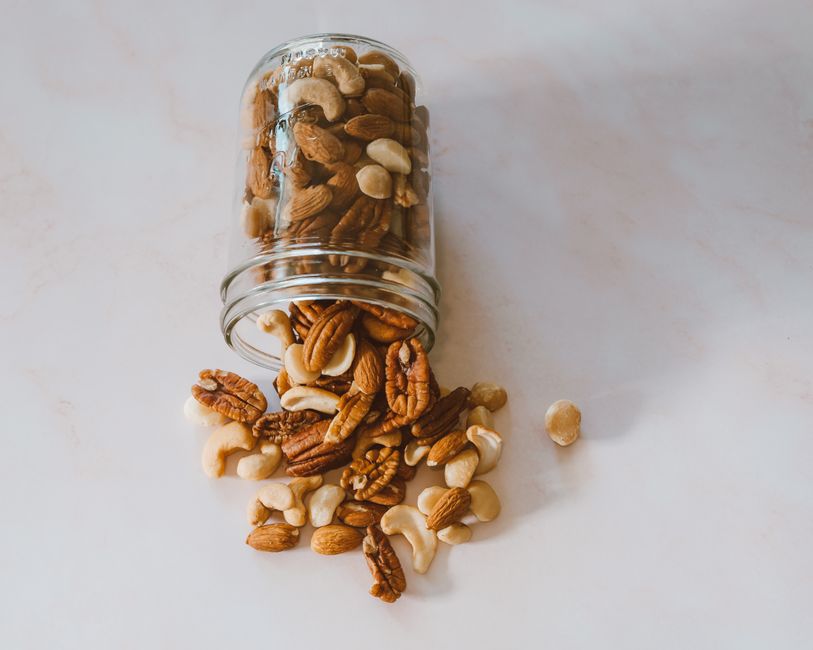
- Nuts, seeds, and peanut butter
For reference, one large egg has about 6 grams of protein. A 3-ounce serving of cooked chicken breast has roughly 26 grams. A cup of Greek yogurt has around 20 grams. A half-cup of cooked lentils has about 9 grams.
Protein powders and shakes can help when appetite is poor or chewing is difficult. They are not required, and they are not superior to food. They are a practical tool for hitting a target that food alone is not reaching.
Is More Protein Ever a Problem at This Age?
For most healthy older adults, protein intakes up to about 1.5 g/kg per day are considered safe in the research literature. Higher intakes have not been shown to harm healthy kidneys.
The picture changes with existing kidney disease. In chronic kidney disease, the kidneys struggle to clear waste products from protein metabolism. For people with moderate to advanced kidney disease, doctors often recommend restricting protein. This is a case where higher protein could be harmful, and the target must come from a nephrologist or dietitian — not from a general guideline.
Other cautions:
- Very high protein intake can worsen constipation if fiber and fluid intake are low
- Some older adults with swallowing difficulties need texture-modified protein sources
- Protein supplements can interact with certain medications — check with a pharmacist
If you have any chronic condition affecting the kidneys or liver, do not change your protein intake without medical guidance.
How Can a 79-Year-Old Man Actually Hit 80 Grams a Day?
Eighty grams sounds like a lot until you break it into meals. A sample day might look like this:
- Breakfast: 2 eggs plus a cup of Greek yogurt — about 32 grams
- Lunch: 3 ounces of tuna on whole grain bread — about 26 grams
- Dinner: 3 ounces of chicken with beans — about 33 grams
That lands near 90 grams without any supplements. The key is putting a real protein source at breakfast, which is the meal where older adults most often fall short.
For those with small appetites, smaller and more frequent protein-rich snacks can work better than three large meals. Cheese, nuts, hard-boiled eggs, and yogurt are easy options.
One more point worth knowing: protein alone will not preserve muscle in the absence of use. Resistance training — even light weights, resistance bands, or bodyweight exercises — is the strongest known stimulus for muscle maintenance in older adults. Protein provides the raw material. Movement provides the signal.
Frequently Asked Questions
How much protein does a 79-year-old man need per day?
Most healthy 79-year-old men need about 1.0 to 1.2 grams of protein per kilogram of body weight daily, which is roughly 70 to 84 grams for a 70 kg man. Those recovering from illness may need up to 1.2 to 1.5 g/kg.
Is 0.8 grams of protein per kilogram enough for a 79-year-old?
No, 0.8 g/kg is the minimum for younger healthy adults and is generally considered too low for older adults to protect muscle mass. Most geriatric nutrition research supports 1.0 to 1.2 g/kg for healthy adults over 65.
Can a 79-year-old man eat too much protein?
For healthy older adults, intakes up to about 1.5 g/kg per day are generally considered safe and have not been shown to harm healthy kidneys. However, men with chronic kidney disease often need to limit protein and should follow their doctor’s specific guidance.
What is the best protein source for a 79-year-old man?
There is no single best source — a mix of animal and plant proteins works well. Eggs, fish, poultry, Greek yogurt, beans, and lentils all provide high-quality protein along with other nutrients important in older age.
