
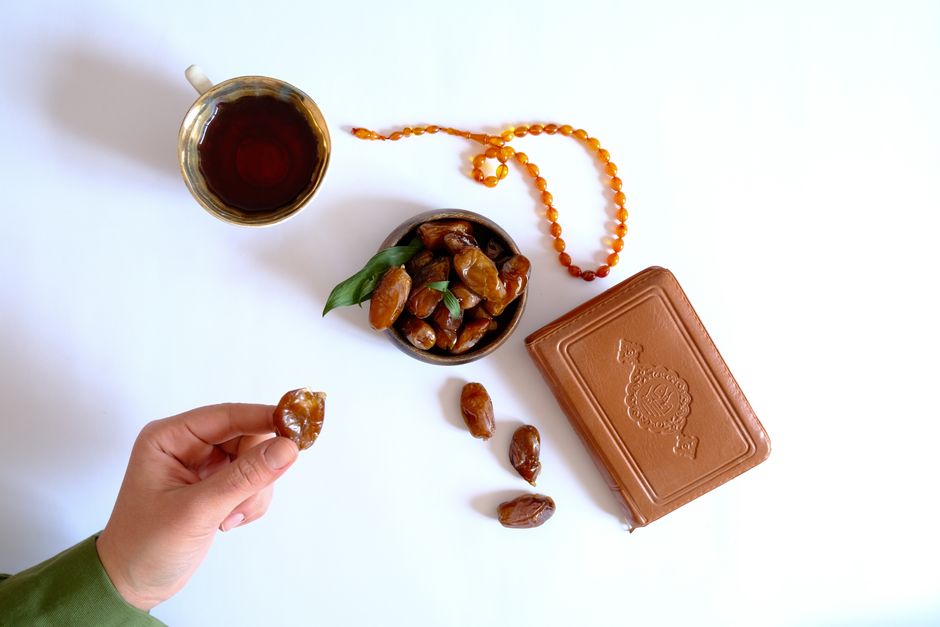
Dates are often praised as a natural sweetener and a source of quick energy, but their iron content is a common point of confusion. A standard serving of dates provides a modest amount of iron, but they are not a top-tier iron source like red meat or fortified cereals. However, because dates are naturally sweet and easy to incorporate into meals, they can contribute to your daily iron intake in a practical way. To get the most benefit, you need to understand how the body absorbs the type of iron found in dates and what you can pair with them to improve that absorption.
How Much Iron Is Actually In Dates?
Dates contain non-heme iron, which is the plant-based form of the mineral. The amount is modest. Based on standard USDA nutritional data, a 100-gram serving of dates (roughly four to five whole dates, depending on size) contains about 0.9 milligrams of iron. A single date weighing around 24 grams provides approximately 0.2 milligrams.
To put that in perspective, an adult woman needs about 18 milligrams of iron per day, and an adult man needs about 8 milligrams. Getting enough iron from dates alone would require eating an unrealistic amount. But dates can still play a supporting role in a balanced diet, especially for people who struggle to meet their iron needs through other foods.
The variety of date matters slightly. Medjool dates tend to be larger and heavier, so a 100-gram serving contains fewer individual fruits than a smaller variety like Deglet Noor. The iron concentration per 100 grams is similar across common varieties, though the exact number can vary by a few tenths of a milligram depending on growing conditions and processing.
Why The Type Of Iron In Dates Matters
Your body absorbs iron in two different forms. Heme iron comes from animal sources like meat, poultry, and fish. Non-heme iron comes from plants, including dates, beans, lentils, and leafy greens. The body absorbs heme iron much more efficiently than non-heme iron.
When you eat non-heme iron, only a small fraction actually enters your bloodstream. The absorption rate for non-heme iron typically ranges from 2 to 20 percent, depending on your current iron status and what else is in your meal. If you are already iron-deficient, your body will absorb more. If your iron stores are adequate, absorption drops.
This does not mean plant-based iron is worthless. It means you need to be deliberate about how you eat it. Pairing dates with the right foods can meaningfully increase how much iron your body takes in.
How To Boost Iron Absorption From Dates
Vitamin C is the most reliable enhancer of non-heme iron absorption. When you consume vitamin C alongside plant-based iron, the vitamin helps convert the iron into a form that is easier for your intestinal cells to absorb. Research consistently shows that even modest amounts of vitamin C can increase non-heme iron absorption several-fold.
Practical pairings include:
- Chopped dates mixed into a bowl of strawberries or oranges
- Dates blended into a smoothie with kiwi or pineapple
- Date paste spread on a slice of tomato-topped toast
- Dates stuffed with a citrus zest and nut filling
Cooking also matters. Heat can break down some of the compounds in plant foods that block iron absorption. Simmering dates into an oatmeal or stew may make their iron slightly more available, though the effect is modest. The most powerful tool remains pairing dates with vitamin C-rich foods at the same meal.



What Blocks Iron Absorption From Dates?
Several common dietary compounds interfere with non-heme iron absorption. Tannins are one of the most significant. These compounds are found in tea, coffee, and some red wines. Drinking a cup of black tea or coffee immediately before, during, or after eating dates can reduce the amount of iron your body absorbs from the fruit.
Calcium is another inhibitor. Dairy products like milk, cheese, and yogurt can interfere with iron absorption when consumed in the same meal. The effect is dose-dependent, meaning a small splash of milk in your coffee is unlikely to cause a major problem, but a large glass of milk alongside a date-based snack will reduce absorption.
Phytates, found in whole grains, legumes, and nuts, also bind to non-heme iron. This is why eating dates alone is often better for iron absorption than eating dates mixed into a granola bar with oats and nuts. The phytates in the grains and nuts can offset the iron benefit of the dates.
This does not mean you should avoid these foods. It means timing matters. If you are eating dates specifically for iron, separate them from tea, coffee, and dairy by at least an hour. Enjoy your date-based snack between meals rather than as part of a heavy breakfast with milk and cereal.
Are Dates A Good Iron Source For Anemia?
Iron-deficiency anemia is a serious condition that requires medical attention. Dates alone are not sufficient to treat it. A person with diagnosed iron-deficiency anemia typically needs a much higher iron intake than food alone can provide, and many require iron supplements prescribed by a doctor.
That said, dates can be part of a broader strategy to prevent iron deficiency, especially for people at higher risk. Vegetarians, vegans, pregnant women, and people with heavy menstrual bleeding all have higher iron needs. For these groups, dates offer a sweet way to add a little extra iron to the diet, but they should be combined with other iron-rich plant foods like lentils, spinach, and fortified grains.
Some research suggests that dried fruits in general, including dates, may help improve iron status when consumed regularly as part of a varied diet. The evidence is not strong enough to recommend dates as a primary treatment for anemia, and no clinical guidelines currently position dates as a substitute for iron supplementation in diagnosed deficiency.
Other Nutritional Benefits Of Dates
Iron is not the only reason to eat dates. They are a concentrated source of natural sugars, primarily glucose and fructose, which makes them a quick energy source for athletes or people needing a fast carbohydrate boost. They also contain potassium, magnesium, and small amounts of B vitamins.
Dates are high in fiber, particularly when eaten whole rather than as a paste or syrup. The fiber supports digestive regularity and helps moderate the blood sugar response to the natural sugars. This is why whole dates are generally a better choice than date syrup or date sugar, which have had the fiber removed or reduced.
One caution: dates are calorie-dense. A 100-gram serving provides roughly 280 calories, almost all from carbohydrates. For people managing their weight or blood sugar, portion control matters. Eating two or three dates as a snack is reasonable. Eating an entire box is not.
How Many Dates Should You Eat For Iron?
There is no official recommendation for dates as an iron source. No clinical guidelines specify a number of dates to eat for iron purposes. The honest answer is that dates should be viewed as a complementary source, not a primary one.
A reasonable approach is to include two to three dates per day as part of a varied diet. That provides roughly 0.4 to 0.6 milligrams of iron. Pair them with vitamin C-rich foods and separate them from tea and coffee to maximize absorption. This is a realistic, sustainable amount that adds sweetness and fiber without turning dates into the centerpiece of your iron strategy.
For people who need significantly more iron, such as pregnant women or those with diagnosed deficiency, relying on dates would be inadequate. Iron supplements and iron-rich animal proteins are far more effective. If you suspect you have low iron, request a blood test rather than trying to self-treat with food alone.
Frequently Asked Questions
Do dates have more iron than spinach?
No, spinach contains more iron per serving than dates. A 100-gram serving of cooked spinach provides roughly 3.6 milligrams of iron, while the same amount of dates provides about 0.9 milligrams.
Can eating dates cure anemia?
No, dates cannot cure anemia on their own. They provide only small amounts of non-heme iron, and treating iron-deficiency anemia typically requires iron supplements or higher-dose iron-rich foods under medical guidance.
Should I eat dates with vitamin C to absorb more iron?
Yes, pairing dates with vitamin C-rich foods like oranges, strawberries, or kiwi can significantly improve how much iron your body absorbs from the dates.
Do dates contain heme or non-heme iron?
Dates contain non-heme iron, which is the plant-based form. This type of iron is absorbed less efficiently than heme iron found in meat and fish.
