
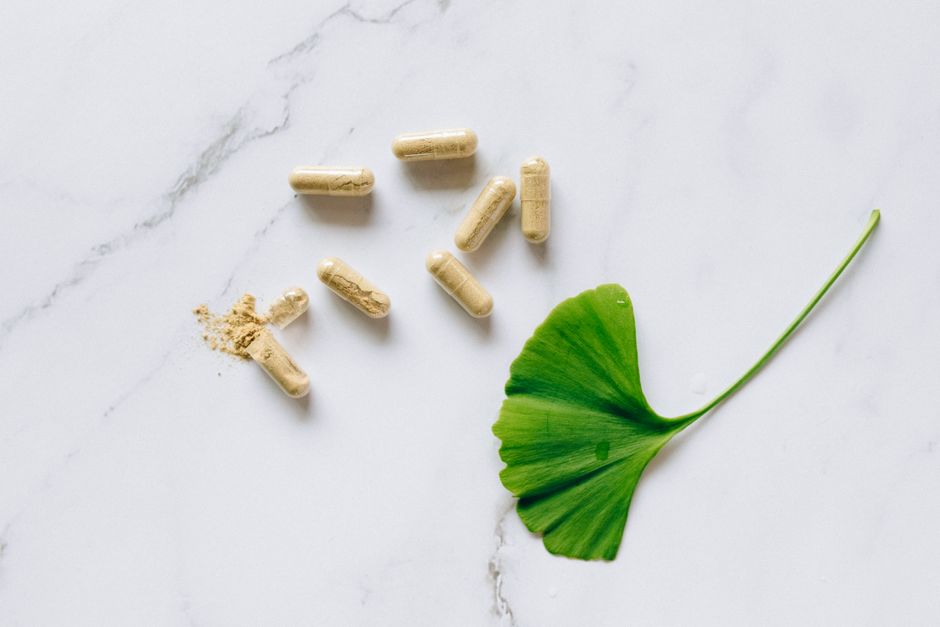
Most adults take between 120 mg and 240 mg of ginkgo biloba extract daily, split into two or three doses. Standardized extracts like EGb 761 or LI 1370 are the most studied and reliable forms. This dosage range is supported by decades of clinical research on memory and circulation. Your specific dose depends on your health goals and any medications you take.
What Is the Standard Daily Dose for Ginkgo Biloba?
Clinical studies most commonly use 120 mg to 240 mg of standardized ginkgo biloba extract per day. The extract is usually split into two or three doses. For example, 120 mg taken twice daily is a typical regimen in research settings.
The standardization matters because it guarantees a consistent amount of active compounds. These are called ginkgo flavone glycosides and terpene lactones. Most studies use extracts standardized to 24% flavone glycosides and 6% terpene lactones. Products without this standardization may have unpredictable potency.
Research published in the Journal of the American Medical Association used 120 mg twice daily for their ginkgo studies on dementia. The Cochrane Review, which analyzes multiple studies, found this dose range to be the most effective for cognitive symptoms.
How Does the Dose Change for Different Conditions?
For general memory support in healthy adults, 120 mg per day is a common starting point. Some people notice benefits at this level within four to six weeks. The evidence for this use is moderate, not strong.
For age-related cognitive decline or mild dementia, studies typically use 240 mg per day. This higher dose is split into two 120 mg doses. The World Health Organization acknowledges ginkgo’s use for this purpose, though the evidence remains debated.
For intermittent claudication, which is leg pain from poor circulation, the standard dose is 120 mg to 160 mg per day. The evidence here is stronger. A systematic review found that ginkgo improved pain-free walking distance by about 34 meters compared to placebo. That is a modest but real benefit.
For tinnitus, or ringing in the ears, doses up to 240 mg per day have been studied. The results are mixed. Some studies suggest a small benefit, while others show no difference from placebo. The American Academy of Otolaryngology guidelines do not recommend ginkgo for tinnitus based on current evidence.
What Does Research on Ginkgo Biloba Dosage Show?
The strongest evidence comes from the Ginkgo Evaluation of Memory study, funded by the National Center for Complementary and Integrative Health. This large trial followed over 3,000 older adults for about six years. Participants took 120 mg of ginkgo twice daily. The study found that ginkgo did not reduce the risk of developing dementia in healthy older adults.
That does not mean ginkgo has no effect. The same study and others have found small improvements in cognitive function for some people. The improvements are not dramatic. They are more noticeable in people who already have mild cognitive issues.
A 2020 meta-analysis in the journal Alzheimer’s & Dementia looked at multiple studies. It found that ginkgo biloba extract improved cognition and daily living activities in people with mild to moderate dementia. The effect size was small but statistically significant. This means the benefit is real but modest.
The research is clear that higher doses are not always better. Doses above 240 mg per day increase the risk of side effects without adding benefit. The therapeutic window for ginkgo is relatively narrow.


What Are the Side Effects and Risks at Different Doses?
At standard doses of 120 mg to 240 mg per day, side effects are uncommon and usually mild. The most reported issues are headache, dizziness, stomach upset, and allergic skin reactions. These affect about 2% to 3% of people in clinical trials.
At doses above 240 mg per day, the risk of side effects increases. This includes a higher chance of bleeding. Ginkgo can slow blood clotting because it affects platelet function. This effect is dose-dependent, meaning higher doses cause more risk.
The bleeding risk is the most serious concern. If you take blood thinners like warfarin, aspirin, or clopidogrel, you should talk to your doctor before taking ginkgo. The same applies if you take NSAID pain relievers like ibuprofen or naproxen. Surgery patients should stop ginkgo at least two weeks before any procedure.
Other drug interactions include certain antidepressants, seizure medications, and blood pressure drugs. Ginkgo can affect how the liver processes these medications. This can either increase or decrease their effectiveness depending on the drug.
| Condition | Daily Dose Range | Evidence Strength |
|---|---|---|
| General memory support | 120 mg | Moderate |
| Age-related cognitive decline | 120-240 mg | Moderate |
| Mild to moderate dementia | 240 mg | Moderate to strong |
| Intermittent claudication | 120-160 mg | Strong |
| Tinnitus | Up to 240 mg | Weak |
How Do You Choose the Right Ginkgo Product?
Look for products that list the standardization on the label. The most common standard is 24% flavone glycosides and 6% terpene lactones. This matches the extracts used in clinical research. Products without this standardization may contain very different amounts of active compounds.
Choose extracts labeled as EGb 761 or LI 1370 when possible. These are specific patented extracts that have been used in most clinical trials. They are manufactured under strict quality control. Generic extracts may not have the same consistency.
Avoid raw ginkgo leaf products. The dried leaves contain lower and less predictable amounts of active compounds. They also contain compounds called ginkgolic acids, which can cause allergic reactions. Standardized extracts remove most of these acids during processing.
Check the supplement facts panel for the total flavonol glycosides and terpene lactones per serving. A product claiming “1000 mg” of ginkgo leaf powder is not the same as 120 mg of standardized extract. The leaf powder has much lower potency.
How Long Should You Take Ginkgo Biloba?
Most clinical studies last 24 to 52 weeks. Benefits from ginkgo are not immediate. It typically takes four to six weeks before any effects are noticeable. Some people report benefits sooner, but that is less common.
If you do not notice any improvement after 12 weeks at a proper dose, it is reasonable to stop. There is no evidence that taking ginkgo for longer than a year provides additional benefit. Some studies suggest the effect may plateau or even diminish over time.
Taking breaks from ginkgo is not well studied. Some practitioners recommend cycling, such as taking it for three months and then taking a month off. There is no strong evidence for or against this practice. Your choice depends on your personal preference and how you respond.
Long-term safety data beyond one year is limited. Most studies have not followed participants for longer periods. This does not mean it is unsafe for long-term use, just that the data is not there to confirm it.
Common Misconceptions About Ginkgo Dosage
A common myth is that more ginkgo means better results. This is not true. Studies show that 240 mg per day is the maximum effective dose. Taking 360 mg or 480 mg does not improve outcomes and increases side effects. More is not better with this herb.
Another misconception is that ginkgo can reverse dementia. The evidence does not support this. Ginkgo may slow cognitive decline or improve symptoms in some people, but it does not cure or reverse dementia. Claims that it does are overhyped.
Some people believe that ginkgo works instantly. It does not. The active compounds need to build up in your system over weeks. If you do not feel anything after a few days, that is normal. Do not increase your dose expecting faster results.
There is also a belief that all ginkgo products are the same. They are not. The difference between a standardized extract and a raw leaf powder is enormous. Paying for a quality product matters more than the dose listed on the bottle.
Frequently Asked Questions
Can I take ginkgo biloba on an empty stomach?
Yes, but taking it with food may reduce the risk of stomach upset. Most people tolerate it well either way.
Is 120 mg or 240 mg of ginkgo better for memory?
For healthy adults, 120 mg is usually enough. For people with age-related cognitive decline, 240 mg has more evidence behind it.
Can I take ginkgo biloba with coffee?
Yes, there is no known interaction between ginkgo and caffeine. Both can affect blood flow, so monitor how you feel.
How long does it take for ginkgo biloba to work?
Most people notice effects after four to six weeks of consistent use. Some people report benefits sooner, but that is less common.
