

Platelet-rich plasma (PRP) therapy is a medical procedure, and its price reflects that. In the United States, a single PRP injection typically costs between $500 and $2,500. The final price depends heavily on where you live, which part of your body is being treated, and the experience of the provider performing the injection. You will almost always pay for this treatment out of pocket because most health insurance plans classify PRP as experimental or cosmetic.
How Much Does Prp Cost in Different Settings?
The price of PRP varies significantly based on the facility where you receive treatment. A hospital-based pain clinic will often charge more than a private orthopedic practice because of higher overhead costs. Standalone aesthetic clinics and med-spas frequently price their PRP services differently than medical offices, often bundling the cost with other cosmetic procedures.
Location matters just as much as the setting. PRP injections in major metropolitan areas like New York, Los Angeles, or San Francisco typically cost 30% to 50% more than the same procedure in a mid-sized city or rural area. This regional variation is not unique to PRP; it follows the general pricing patterns of all elective medical care in the United States.
You should always ask for a detailed written quote before scheduling. The quote should specify whether the price covers a single injection session or a full treatment plan. Some clinics quote a low per-session price but require multiple sessions for optimal results, which can dramatically increase your total out-of-pocket expense.
Why Do PRP Prices Vary by Treatment Area?
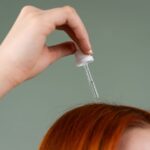
The body part being treated directly influences the cost of PRP. Knee injections for osteoarthritis are among the most common and typically fall in the mid-range of pricing. Hair restoration PRP requires multiple injection points across the scalp and often costs more per session than a single joint injection.
Facial PRP treatments, sometimes marketed as the “vampire facial,” involve additional preparation steps and topical numbing agents. These aesthetic procedures often command higher prices than medical applications. Orthopedic PRP for tendons, ligaments, or joints generally costs less than facial procedures because the technique is more straightforward.
The number of injections per session also affects the price. A single knee injection uses one vial of prepared PRP. Treating both knees or multiple joints in one visit requires more blood to be drawn and more PRP to be processed, which increases the cost proportionally. Some providers charge per vial rather than per session, so a bilateral treatment will cost roughly double a unilateral one.
What Is Included in the PRP Price?
Understanding what your quoted price actually covers is essential. A standard PRP session includes the blood draw, the centrifugation process that concentrates the platelets, and the injection itself. However, not all clinics include the same components in their base price.
Some providers charge extra for ultrasound guidance during the injection. Ultrasound imaging helps the physician place the PRP precisely at the injury site, and this technology adds to the cost. Other potential add-ons include numbing medication, sedation for anxious patients, and follow-up visits to monitor your progress.
Your initial consultation fee may be separate from the treatment cost. Many clinics charge a consultation fee that is credited toward your treatment if you proceed. Always ask about consultation fees upfront so you are not surprised by an unexpected bill.



How Many PRP Sessions Will You Need?
Most PRP treatment protocols require more than one injection. For knee osteoarthritis, many clinicians recommend a series of one to three injections spaced several weeks apart. For tendon injuries like tennis elbow or Achilles tendinopathy, a similar series is often advised. Hair restoration typically requires three sessions initially, followed by maintenance treatments every six to twelve months.
This means your total cost will be substantially higher than the per-session price. A treatment plan requiring three sessions at $800 each will cost $2,400 before any additional fees. Some clinics offer package pricing for multiple sessions, which can reduce the per-injection cost by 10% to 20% compared to paying per visit.
No clinical guidelines currently mandate a specific number of sessions for any PRP indication. The treatment frequency is based on the provider’s clinical judgment, the condition being treated, and your individual response to the first injection. Ask your provider how many sessions they typically recommend for your specific condition before committing to a treatment plan.
Does Insurance Cover PRP Therapy?
Health insurance rarely covers PRP therapy. Most major insurers classify PRP as experimental or investigational for most conditions because the evidence base, while growing, is not yet strong enough to establish it as a standard of care. Medicare and Medicaid similarly do not provide routine coverage for PRP injections.
There are occasional exceptions. Some insurance plans may cover PRP for specific conditions where research evidence is stronger, such as certain chronic tendon injuries that have failed conservative treatment. However, these coverage decisions are made on a case-by-case basis and are not guaranteed.
Before your procedure, contact your insurance company directly and ask about coverage for your specific diagnosis. Get the answer in writing if possible. Also ask your provider’s billing department whether they will submit a claim to your insurance on your behalf, even if you expect it to be denied. Some patients receive partial reimbursement through out-of-network benefits or health savings accounts.
Health savings accounts (HSAs) and flexible spending accounts (FSAs) can often be used to pay for PRP if you have a documented medical diagnosis. Check with your HSA or FSA administrator to confirm that PRP qualifies as an eligible medical expense under your specific plan.
Are There Cheaper Alternatives to PRP?
If the cost of PRP is prohibitive, discuss alternative treatments with your physician. For knee osteoarthritis, corticosteroid injections are significantly cheaper, typically costing $50 to $200 per injection, and are often covered by insurance. However, corticosteroids provide temporary relief and do not address the underlying degenerative process.
Hyaluronic acid injections, sometimes called viscosupplementation, cost between $300 and $800 per injection and are used primarily for knee osteoarthritis. These injections aim to improve joint lubrication rather than stimulate tissue healing. Some insurance plans cover hyaluronic acid injections under specific conditions.
Physical therapy is often a lower-cost first-line treatment for many musculoskeletal conditions. A typical physical therapy session costs $50 to $150, and many insurance plans cover a portion of these visits. For many tendon and joint conditions, structured rehabilitation remains the foundation of treatment, with PRP considered an adjunct rather than a replacement.
No treatment currently exists that has been proven to be equally effective to PRP at a lower price point. The choice between PRP and its alternatives depends on your specific condition, your budget, and your physician’s recommendation. Be wary of any clinic that pressures you into PRP without first discussing conservative treatment options.
How to Evaluate PRP Pricing and Quality
When comparing PRP prices, the cheapest option is not always the best value. PRP quality depends heavily on the equipment used and the protocol followed. The concentration of platelets in the final product can vary significantly between different centrifugation systems, and higher-quality preparation methods generally cost more to perform.
Look for a provider who can clearly explain their PRP preparation process. Ask how much blood they draw, what type of centrifuge they use, and whether they test the final product for platelet concentration. A provider who cannot answer these questions may not be following best practices.
Board certification in a relevant specialty matters. For orthopedic PRP, look for a physician board-certified in sports medicine, physical medicine and rehabilitation, or orthopedics. For aesthetic PRP, seek a provider with appropriate credentials in dermatology or plastic surgery. State medical boards list physician credentials and any disciplinary actions publicly.
Read reviews and ask for patient references. Real patient experiences can tell you about the provider’s bedside manner, the clinic’s follow-up care, and whether patients felt the results justified the cost. Remember that individual results vary, and a glowing review does not guarantee you will have the same outcome.
Frequently Asked Questions
Is PRP covered by Medicare?
Medicare does not routinely cover PRP therapy because it classifies the treatment as experimental for most conditions. Some Medicare Advantage plans may offer coverage on a case-by-case basis, but traditional Medicare generally denies PRP claims.
How much does PRP cost for hair loss?
PRP for hair restoration typically costs $500 to $1,500 per session, with most patients needing three initial sessions. Total treatment costs usually range from $1,500 to $4,500 for the initial series.
Does PRP hurt and how long does recovery take?
The injection itself causes moderate discomfort that lasts only a few seconds, and some soreness may persist for a few days afterward. Most people return to normal activities immediately, but your doctor may recommend avoiding strenuous exercise for several days.
How long do PRP results last?
Results vary widely by condition, with some patients experiencing relief for six months to over a year. Maintenance injections are often needed to sustain the effects over time.
