
Orthodontic braces cost most patients between $3,000 and $10,000 in the United States, depending on the type of braces, the complexity of the case, and where you live. Traditional metal braces typically run $3,000 to $7,500, while clear aligners like Invisalign usually cost $4,000 to $8,500. Lingual braces, which attach to the back of the teeth, are the most expensive option at $8,000 to $10,000 or more. These figures cover the full course of treatment, which usually lasts 12 to 36 months.
What Drives the Final Price of Braces?
No two orthodontic cases are identical, and the price reflects that. The main factor is treatment complexity. A minor crowding issue takes less time and fewer appointments than correcting a severe overbite or jaw misalignment. More complex cases require longer treatment, more frequent adjustments, and sometimes additional appliances like palate expanders or rubber bands.
Your geographic location matters significantly. Orthodontic fees in major coastal cities run 20% to 40% higher than in rural areas or the Midwest. A treatment plan that costs $5,500 in Cleveland might cost $7,500 in Manhattan. This is not a quality difference — it reflects higher office overhead, rent, and staff salaries in urban markets.
The orthodontist’s experience and reputation also factor into pricing. A specialist with 20 years of experience and advanced training in complex cases typically charges more than a newer practitioner. This is not necessarily a reason to avoid a less experienced provider, but it explains part of the range you will see in quotes.
How Much Does Each Type of Braces Cost?
Braces are not one product. The technology has split into several distinct options, each with a different price point and trade-off.
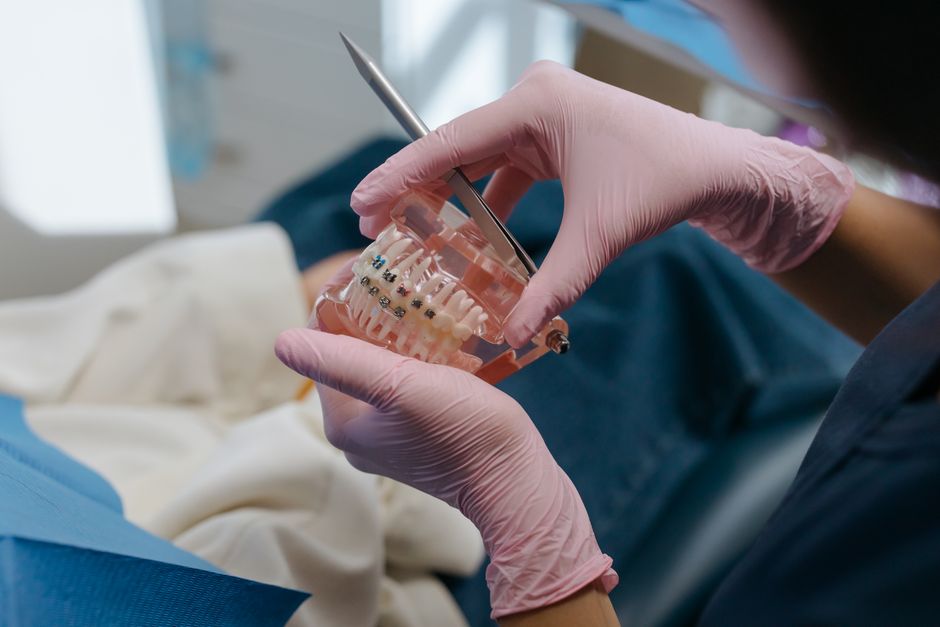
- Traditional metal braces: $3,000 to $7,500. These are the most affordable and most effective option for complex cases. Modern metal brackets are smaller than older versions, and some patients choose colored elastic ties.
- Ceramic (clear) braces: $4,000 to $8,000. The brackets blend with tooth color, making them less visible than metal. They are slightly more fragile and can stain if you do not maintain good oral hygiene.
- Clear aligners (Invisalign or similar): $4,000 to $8,500. These are removable plastic trays changed every one to two weeks. They work best for mild to moderate crowding or spacing. Severe bite problems often still require traditional braces.
- Lingual braces: $8,000 to $10,000+. Brackets attach to the inside surface of the teeth, making them completely invisible from the outside. They are harder to clean, cause more tongue irritation, and require a highly skilled orthodontist.
- At-home aligner brands: $1,500 to $3,000. These direct-to-consumer companies send aligners by mail with remote monitoring. They are cheaper because no in-person orthodontist visits are included. They are only appropriate for mild cases, and you should get an in-person evaluation before starting any mail-order treatment.
The cheapest option is not always the most cost-effective. If a mail-order aligner plan does not fix your bite correctly, you will pay again for orthodontic treatment to correct the problem. That double cost often exceeds what you would have paid a specialist upfront.
What Is Included in the Stated Price?
When an orthodontist quotes you a fee, ask exactly what it covers. Most comprehensive treatment plans include the initial exam and records, all appliances, every adjustment appointment, and a standard retention package with retainers after treatment ends. Some quotes, however, exclude retainers or charge extra for them.
Retainers are not optional. Teeth naturally shift back toward their original position after braces come off. Most orthodontists recommend wearing a retainer nightly for life to maintain results. Replacement retainers cost $100 to $300 each, and you will need new ones periodically as they wear out.
Additional procedures can add to the total bill. Tooth extractions to create space for crowded teeth cost $150 to $400 per tooth. Temporary anchorage devices, small screws used to guide tooth movement, add $200 to $500. If you need jaw surgery to correct a severe skeletal misalignment, that is a separate procedure with its own significant cost, usually covered partly by medical insurance rather than dental insurance.





Does Insurance Cover Braces?
Dental insurance often covers a portion of orthodontic treatment for children under 18. Many plans pay a lifetime maximum of $1,500 to $2,000 per insured person. That means the insurance company pays up to that amount total — not per year — and you cover the rest.
Adult orthodontic coverage is less common. Many dental insurance plans exclude braces for adults entirely or offer a lower benefit. Some employer-sponsored plans include orthodontic coverage for dependents only. Read your plan documents carefully, and ask your insurance company directly what your orthodontic benefit is before starting treatment.
Flexible spending accounts (FSAs) and health savings accounts (HSAs) allow you to pay for braces with pre-tax dollars. This does not reduce the cost, but it effectively gives you a discount equal to your tax bracket. If you are in the 22% tax bracket, a $6,000 treatment effectively costs about $4,680 when paid through an HSA or FSA.
Are Payment Plans Available?
Most orthodontic offices offer interest-free payment plans. A typical arrangement requires a down payment of 10% to 25% of the total fee, with the balance spread over the treatment duration in monthly payments. A $6,000 treatment with a $1,000 down payment and 24 monthly payments works out to about $208 per month.
Some offices charge interest on longer payment plans, so ask whether the payment plan is interest-free before signing. Third-party financing companies like CareCredit offer extended payment options, but these often carry interest rates of 15% to 27% if you do not pay the balance within the promotional period.
Dental schools offer a significant discount. Orthodontic residents at accredited dental schools provide treatment under the supervision of experienced faculty at 30% to 50% below market rates. Treatment takes longer because appointments are scheduled around the academic calendar, but the quality of care is closely supervised. This is one of the most reliable ways to reduce the cost of braces without compromising on clinical oversight.
Why Do Prices Vary So Much Between Offices?
You can receive quotes of $4,500 and $7,000 for the same type of braces from two different orthodontists in the same city. This variation is normal and does not necessarily indicate a difference in quality. Higher-fee offices may use newer technology, have more support staff, or operate in a higher-rent location.
What matters more than the sticker price is the treatment plan. A lower quote may come with a shorter projected treatment time but a less comprehensive plan. A higher quote may include more frequent monitoring or additional procedures that produce a better outcome. Ask each orthodontist to explain their treatment philosophy and what the quoted fee includes.
Beware of unusually low quotes. If an orthodontist quotes $2,500 for full metal braces when every other office in the area charges $5,000, ask why. There may be legitimate reasons — a new practice building its patient base or a promotional offer. But extremely low fees can also mean the practice cuts corners on materials, monitoring frequency, or staff training.
How Much Do Braces Cost Without Insurance?
Without any insurance, you pay the full fee out of pocket. Using the ranges above, that means $3,000 to $7,500 for metal braces, $4,000 to $8,000 for ceramic braces, and $4,000 to $8,500 for clear aligners. These are the actual fees charged by orthodontists, not inflated “retail” prices designed to be discounted.
Some orthodontists offer a small discount — typically 3% to 5% — if you pay the entire fee upfront. This is because the office avoids the administrative cost of billing monthly statements. The discount is rarely large enough to justify paying the full amount if you could otherwise use that money for other expenses.
Dental tourism is an option some patients consider, with braces costing far less in Mexico, Costa Rica, or Eastern Europe. This approach carries significant risks. Orthodontic treatment requires appointments every 4 to 8 weeks. If you receive treatment abroad, you will either need to travel repeatedly or find a local orthodontist willing to take over a case they did not plan. Many orthodontists decline to continue treatment started elsewhere because they cannot verify what was done.
Is It Cheaper to Get Braces as an Adult or a Child?
Treatment for children is often less expensive because their problems are typically less complex. A child’s jaw is still growing, which allows the orthodontist to guide growth and correct certain bite issues more easily. Adults have fully developed bone, and tooth movement can be slower and more limited.
Adults also more frequently need additional procedures before or during orthodontic treatment. Gum disease, tooth decay, and bone loss are more common in adults and must be treated before braces go on. These pre-treatment costs are separate from the orthodontic fee and can add hundreds or thousands of dollars to the total.
That said, the difference between child and adult orthodontic fees is usually modest — often 10% to 20% higher for adults. The bigger cost difference comes from the complexity of the case, not the age of the patient.
Frequently Asked Questions
How much do braces cost per month?
Most orthodontic offices spread the total fee over the treatment period with no interest, often $150 to $300 per month after a down payment. The monthly amount depends on the total treatment cost and the length of the payment plan.
Are braces worth the cost?
Orthodontic treatment corrects bite problems that can cause tooth wear, jaw pain, and difficulty cleaning teeth properly. Studies show that people who complete orthodontic treatment report improved quality of life related to oral health, though the decision to proceed depends on your specific dental situation and budget.
Can I negotiate the price of braces?
Some orthodontic offices will match a competitor’s quote or offer a discount if you ask, but this is not guaranteed. Your best leverage is a written treatment plan from another office showing a lower fee for the same type of treatment.
Do braces cost more for adults than children?
Adult treatment often costs 10% to 20% more because adult cases tend to be more complex and may require additional pre-treatment procedures. The exact difference depends on the individual case, not age alone.
