
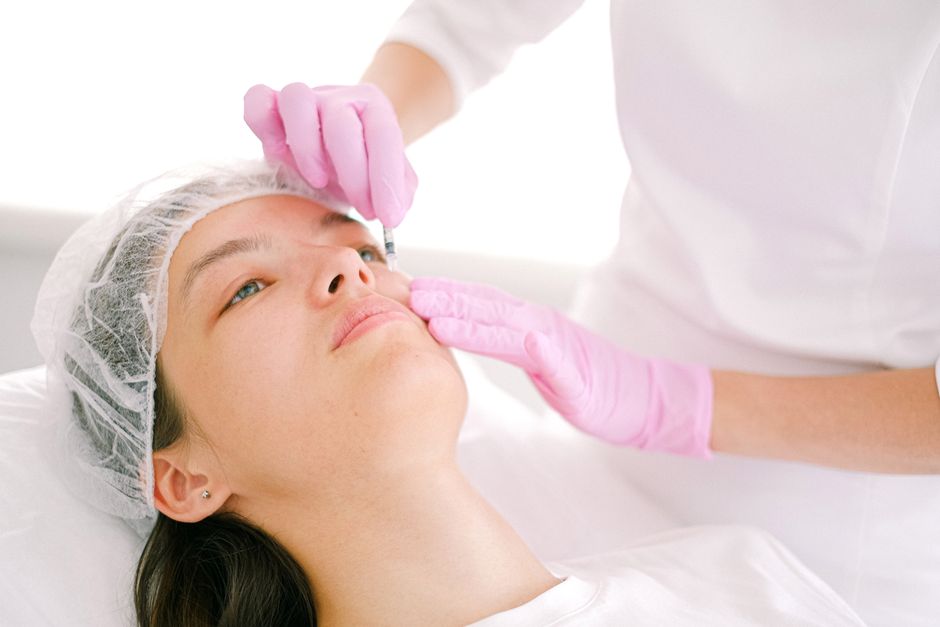
Jaw Botox typically costs between $400 and $1,200 per treatment session in the United States. The final price depends on where you live, the provider you choose, and how many units of Botox your jaw muscles actually need. Most people need between 25 and 50 units per side for jaw slimming or teeth grinding, which adds up quickly when you consider the per-unit price.
How Much Does Jaw Botox Cost Full Price Breakdown?
The full price of jaw Botox breaks down into two main parts: the cost per unit and the number of units used. Botox is sold by the unit, and most US clinics charge between $10 and $20 per unit. A typical jaw treatment uses 50 to 100 total units across both sides of the face.
Here is what that looks like in real numbers:
- Low end: 50 units at $10 per unit equals $500
- Average: 75 units at $15 per unit equals $1,125
- High end: 100 units at $20 per unit equals $2,000
Some clinics charge a flat fee per session instead of per unit. Flat fees for jaw Botox usually range from $400 to $900. This can be a better deal if you need a high number of units, but always ask how many units are included in the flat rate.
Consultation fees are often separate. Many clinics waive the consultation fee if you book the treatment the same day, but not all do. Ask about this when you call.
Why Jaw Botox Costs More Than Other Botox Treatments
Jaw Botox requires significantly more product than most other facial Botox treatments. Forehead lines might need 10 to 30 units total. The masseter muscle — the large muscle at the back of your jaw — is one of the strongest muscles in your body. It takes far more Botox to relax it.
The masseter muscle gets bigger with repeated use. People who clench or grind their teeth develop larger masseter muscles over time. Larger muscles need more units to achieve the desired effect. A person with mild jaw tension might need only 25 units per side, while someone with severe grinding might need 50 or more per side.
This is why jaw Botox prices vary so much between patients. The price difference is not arbitrary. It reflects the actual amount of product needed to get the result you want.
How Provider Type Affects the Price
Who you see for jaw Botox matters for both price and safety. The masseter muscle sits near important nerves and blood vessels. An experienced injector is not optional for this treatment.
Here is what you can expect to pay by provider type:
- Plastic surgeons and dermatologists: $15 to $20 per unit
- Med spas and nurse injectors: $10 to $15 per unit
- Dentists: $12 to $18 per unit
Dentists are often experienced with jaw anatomy because they treat TMJ disorders and bruxism regularly. Some dentists offer Botox specifically for teeth grinding. This can be a good option if your primary goal is reducing clenching rather than cosmetic jaw slimming.
Be cautious with extremely low prices. If a clinic charges $8 per unit, ask why. They may be using a diluted product, or they may be less experienced. The skill of the injector affects both your results and your risk of complications. This is not a treatment where bargain hunting makes sense.





Geographic Pricing Differences
Location plays a major role in jaw Botox pricing. Major coastal cities like New York, Los Angeles, and Miami have the highest prices. A treatment that costs $700 in Dallas might cost $1,200 in Manhattan.
This is driven by overhead costs. Rent, staff salaries, and insurance are all more expensive in big cities. Clinics pass those costs on to patients. Smaller cities and suburban areas generally have lower prices.
Some people consider traveling to a lower-cost area for treatment. This rarely makes financial sense for Botox because the treatment needs to be repeated every three to four months. The travel costs add up, and you lose the ability to see the same provider for follow-up care.
Additional Costs You Should Plan For
The price of the Botox itself is not the only cost. Here are the other expenses that can appear:
- Consultation fee: $50 to $150 if not waived
- Numbing cream: Usually included, but ask
- Follow-up appointments: Some clinics charge for touch-ups within two weeks
- Ice packs or aftercare products: Usually included
Ask about follow-up visits before you book. Most reputable clinics include a two-week follow-up at no extra charge. This is when the full effect of Botox becomes visible, and your injector can assess whether you need additional units.
Some clinics offer membership programs that give you a discount on repeat treatments. If you plan to maintain results long-term, these programs can save you 10 to 20 percent per session. Just read the terms carefully to understand what is included.
Does Insurance Cover Jaw Botox?
Insurance rarely covers jaw Botox for cosmetic purposes. However, coverage is possible when Botox is used to treat a medical condition. Chronic teeth grinding, also called bruxism, and temporomandibular joint disorder (TMJ) are the conditions most likely to qualify.
If you have a documented diagnosis of bruxism or TMJ, your insurance may cover part or all of the cost. You will need documentation from your doctor showing that other treatments have failed. Many insurers require proof that you tried mouthguards, physical therapy, or other conservative treatments first.
Botox for chronic migraine is a different situation. The FDA has approved Botox for chronic migraine treatment, and insurance coverage is more common for this indication. However, the injection pattern for migraines is different from jaw slimming. Your provider needs to know your specific diagnosis to bill correctly.
Medicare does not cover Botox for jaw-related conditions. Some private insurers do, but approval rates vary widely. Call your insurance company directly to ask about your specific policy before assuming anything.
How Long Results Last and What That Means for Cost
Jaw Botox results typically last three to four months. This is shorter than Botox in other facial areas, which can last four to six months. The masseter muscle is constantly active during chewing, which breaks down the Botox faster.
This means jaw Botox is a recurring expense. If you pay $700 per session and need three sessions per year, your annual cost is $2,100. Some patients find they can extend the time between sessions after the first year. The muscle can weaken over time with repeated treatment, which means you may eventually need fewer units per session.
Some people choose to stop treatment after a year or two. The jaw muscle will gradually return to its previous size, but it may not return to its full original size. The cosmetic effect of jaw slimming can partially persist even after you stop treatment.
Cheaper Alternatives to Jaw Botox
If jaw Botox is out of your budget, there are alternatives. None of them produce identical results, but they may address your underlying concern.
For teeth grinding, a custom night guard is the standard first-line treatment. A dentist-made guard typically costs $200 to $500 and lasts several years. This is far cheaper than ongoing Botox treatments. The guard protects your teeth from damage, but it does not reduce the strength of your jaw muscle.
For cosmetic jaw slimming, there are no injectable alternatives that work the same way as Botox. Dermal fillers can change the shape of your lower face, but they work by adding volume rather than reducing muscle size. This is a completely different approach with different costs and risks.
Some devices claim to relax jaw muscles through electrical stimulation. The evidence for these devices is limited. No large clinical trials have confirmed that they produce results comparable to Botox for jaw slimming or bruxism.
What to Ask Before You Book
Before you commit to a provider, ask these specific questions:
- How many units do you expect to use for my jaw?
- Is the price per unit or a flat fee?
- Is the consultation fee included in the treatment price?
- Are follow-up visits included?
- What is your experience injecting the masseter muscle specifically?
These questions protect you from surprise costs. They also help you compare prices between clinics accurately. A clinic that quotes $500 might be more expensive than one that quotes $700 if the $500 quote uses fewer units than you actually need.
Frequently Asked Questions
How many units of Botox do you need for jaw slimming?
Most people need 25 to 50 units per side, totaling 50 to 100 units per session. The exact amount depends on the size and strength of your masseter muscle.
Is jaw Botox covered by insurance for teeth grinding?
Some private insurers cover jaw Botox for diagnosed bruxism or TMJ, but approval is not guaranteed. You will need documented proof that other treatments failed before insurance will consider coverage.
How often do you need jaw Botox injections?
Jaw Botox typically lasts three to four months. Many patients schedule treatments three times per year, though some can extend the interval over time.
Does jaw Botox hurt?
Most patients describe the injections as mild discomfort rather than pain. The masseter area has fewer nerve endings than other facial areas, and numbing cream is usually applied beforehand.
