
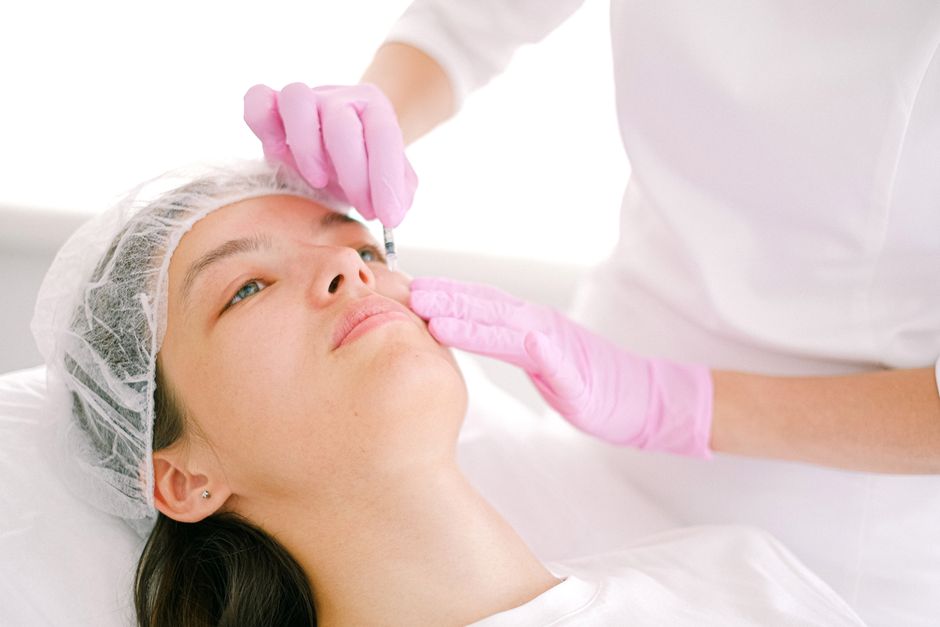
Botox injections in the United States usually cost between $10 and $20 per unit, and most cosmetic treatments use somewhere between 20 and 60 units depending on the area being treated. That puts a typical frown line treatment in the range of $200 to $600, while larger areas like the forehead or jaw can run higher. The price you pay depends heavily on where you live, who does the injection, and how many units your face actually needs.
How Much Does Botox Cost Per Unit and Per Session?
Botox is priced per unit, not per appointment. That single fact explains most of the confusion around cost.
A unit is a standardized measure of the botulinum toxin type A in the vial. It is not a measure of volume or liquid. When a clinic quotes you “$12 a unit,” they are telling you the price of the active ingredient, and the total bill depends on how many units get injected.
Common treatment areas and typical unit ranges:
- Glabellar lines (the frown lines between the eyebrows): often 20 to 30 units
- Forehead lines: often 10 to 20 units
- Crow’s feet: often 12 to 24 units total for both sides
- Masseter (jaw slimming): frequently 40 to 60 units or more
- Underarms for sweating: commonly 50 units per side
These ranges come from general clinical practice and manufacturer labeling, not a fixed rule. Two people with similar wrinkles can need very different amounts. Stronger muscles generally need more units. So does a face that has never been treated before.
At $12 per unit, a 30-unit frown line treatment costs about $360. At $18 per unit, the same treatment costs about $540. The units did not change. The price per unit did.
Why Do Botox Prices Vary So Much Between Clinics?
The same 20 units can cost $200 at one clinic and $500 at another. Several factors drive that gap.
Geography matters a lot. Clinics in large metro areas like New York, Los Angeles, or San Francisco generally charge more than clinics in smaller cities and rural areas. Rent, staffing, and local demand all feed into the price.
Who injects you changes the cost. A board-certified dermatologist or plastic surgeon often charges more than a nurse injector at a med spa. That higher fee does not automatically mean a better result, but it usually reflects more training and higher overhead.
Allergan, the maker of Botox, also makes a competing product called Jeuveau, and other brands like Dysport and Xeomin exist. These are all botulinum toxin type A products, but they are not identical. Dysport, for example, is often dosed in different units than Botox, so a “cheaper per unit” price does not always mean a cheaper treatment. Comparing products by unit price alone can be misleading.
Special offers and memberships can lower the per-unit price. Many clinics run loyalty programs, first-time patient discounts, or bundled pricing for multiple areas. These are real savings, but read the fine print. Some “deals” require buying a package upfront or committing to a set number of visits.
Are Cheaper Botox Injections Safe?
A low price is not automatically a red flag, but an unusually low price deserves questions.
Botox is a prescription drug. In the United States, it must be sourced from a licensed manufacturer and administered under proper medical supervision. Clinics that offer prices far below the local average may be cutting corners in ways that matter — diluted product, expired vials, unlicensed injectors, or treatments performed outside a proper medical setting.
Counterfeit and unapproved botulinum toxin products have been found in the market. The FDA has warned about this. If a deal seems too good to be true, ask directly:
- Who is performing the injection, and what are their credentials?
- Which product brand is being used?
- Is the treatment done in a licensed medical facility?
You do not need to interrogate the front desk. But a legitimate clinic will answer these questions without hesitation. If they dodge them, that tells you something.





What Hidden Costs Should You Expect Beyond the Injection?
The per-unit price is rarely the whole bill. Several add-ons can push the total higher.
Consultation fees. Some clinics charge for the initial consultation, sometimes $50 to $150, and may or may not apply it toward treatment. Others offer free consultations.
Touch-up visits. Botox takes effect over several days, and full results appear within about two weeks. If a provider offers a free two-week touch-up, that is a genuine value. If touch-ups cost extra, budget for them.
Follow-up maintenance. Results typically last three to four months for cosmetic use. That means most people need three to four treatments per year to maintain the effect. The annual cost is often two to four times the cost of a single visit.
Anesthesia or numbing. Most Botox injections do not require anesthesia, but some clinics charge for topical numbing cream. It is usually minor, but it adds up.
How Much Does Botox Cost Per Year?
This is the number that actually matters for budgeting, and it is the one most people underestimate.
If a single treatment costs $400 and you need it every three to four months, you are looking at roughly $1,200 to $1,600 per year. If you treat multiple areas, that figure climbs. Some people spend $2,000 to $3,000 annually.
There is one nuance worth knowing. Over time, some people find they need slightly fewer units to get the same result, because the treated muscles weaken with repeated use. This is not universal, and it is not a reason to expect your costs to drop dramatically. But it is a real pattern some clinicians observe.
Ways to Save on Botox Without Cutting Corners
You can lower the cost without sacrificing safety. The key is knowing where the real savings are.
- Ask about per-unit pricing upfront. Some clinics quote a flat fee per area. That can be cheaper or more expensive depending on how many units you actually need. Get the unit price in writing.
- Join a loyalty program. Many brands and clinics offer points or discounts for repeat customers. These are legitimate and can save $50 to $100 per visit.
- Look for first-time patient offers. New patient discounts are common and usually genuine.
- Consider training clinics. Some academic medical centers offer treatments performed by supervised residents at reduced rates. Availability varies, and you should confirm supervision and credentials before booking.
- Treat only what bothers you. You do not have to treat your whole face. Starting with one area lowers the cost and lets you see how you respond.
- Time your treatments. Some clinics run seasonal promotions. If you are flexible on timing, you may catch a discount.
What you should not do is chase the lowest price in town without asking who is injecting you and what product they are using. The savings are not worth a complication.
Does Insurance Ever Cover Botox?
Insurance generally does not cover Botox for cosmetic reasons. That is the straightforward answer.
There is an exception. Botox is FDA-approved for certain medical conditions, including chronic migraine, severe underarm sweating, and some muscle spasm disorders. When used for these purposes, insurance may cover it, sometimes after other treatments have failed. Coverage rules vary by plan and by diagnosis, so you would need to check with your specific insurer.
If you are seeking Botox for a medical reason, ask your doctor whether prior authorization is required. The process can take time, and not all requests are approved.
Frequently Asked Questions
How much does Botox cost for forehead lines?
Forehead lines typically require 10 to 20 units, which at $10 to $20 per unit works out to roughly $100 to $400. The exact amount depends on muscle strength and the injector’s assessment.
Is it cheaper to get Botox at a med spa or a dermatologist?
Med spas often charge less per unit than dermatologists or plastic surgeons, but the price difference reflects differences in credentials and overhead rather than guaranteed quality. What matters most is who performs the injection and whether the setting is properly licensed.
How often do you need Botox to maintain results?
Cosmetic Botox results generally last three to four months, so most people need treatment three to four times per year. Some people metabolize it faster or slower, so the interval can vary.
Can I negotiate the price of Botox?
Some clinics will negotiate, especially if you are treating multiple areas or committing to regular visits. It is reasonable to ask about package pricing or loyalty discounts, though not all providers offer them.
