
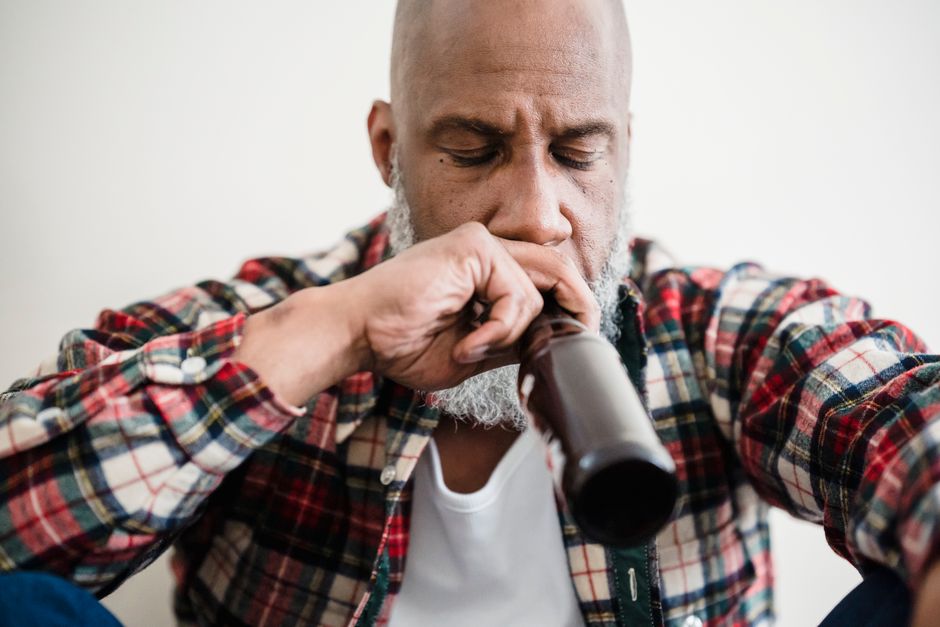
Alcohol lowers testosterone, and the effect is dose-dependent. A single night of heavy drinking can drop testosterone for hours to a day or more. Regular heavy drinking can suppress it for longer, sometimes persistently, by disrupting the hormone signals that tell the testes to make testosterone. Moderate drinking — roughly one to two drinks a day — shows a much smaller and less consistent effect, and the research on light drinking is genuinely mixed.
How Much Does Alcohol Lower Testosterone Levels?
There is no single number, because the answer depends on how much you drink, how often, and for how long. What the research does show is a clear pattern: the more you drink and the more regularly you drink it, the more testosterone tends to fall.
Acute studies — where researchers give people alcohol and measure hormones over the following hours — generally find a temporary dip in testosterone after heavier drinking. The size varies widely between studies and between individuals. Chronic heavy drinking is where the effect becomes more serious and more consistent. Men who drink heavily for years often show lower testosterone than moderate drinkers or non-drinkers.
Moderate drinking is a murkier picture. Some studies find small associations with lower testosterone. Others find none. A few have even reported slightly higher testosterone in light drinkers, though this is generally attributed to confounding factors rather than a protective effect of alcohol. The evidence does not support the idea that drinking boosts testosterone.
What Does Alcohol Do to Testosterone in the Body?
Alcohol interferes with testosterone at several points in the hormonal chain. The most important is the brain’s control center for reproduction — the hypothalamus and pituitary gland.
Testosterone production is governed by a feedback loop. The hypothalamus releases a hormone called GnRH, which signals the pituitary to release luteinizing hormone (LH). LH then travels to the testes and tells them to produce testosterone. Alcohol, especially in large amounts, can suppress this signaling. Less LH means less stimulation of the testes, and testosterone production falls.
Alcohol also affects the liver, which plays a central role in hormone balance. Chronic heavy drinking can impair liver function, and the liver is where hormones are broken down and cleared. A damaged liver can disrupt the body’s normal hormone regulation in ways that lower testosterone and raise estrogen.
There is another mechanism worth knowing. Alcohol is metabolized partly through a pathway that alters the ratio of NAD+ to NADH in cells. This shift can affect how the body handles other hormones and metabolic processes. The details are complex, but the takeaway is simple: alcohol does not just act on one organ. It touches the whole hormonal system.
Does Binge Drinking Lower Testosterone More Than Regular Drinking?
Binge drinking causes sharp, short-term drops in testosterone. Regular heavy drinking causes slower, more sustained suppression. Both matter, but they act differently.
A binge — commonly defined as five or more drinks on one occasion for men, four or more for women — can suppress testosterone within hours. Studies measuring hormone levels after acute alcohol exposure have found temporary reductions. In most healthy people, levels recover over the following day or so. The body’s feedback systems usually correct the dip once the alcohol clears.
Chronic heavy drinking is a different story. When alcohol exposure is repeated and sustained, the hormonal system does not fully bounce back between episodes. Over time, the suppression can become more persistent. This is where the clinical concern is greatest — not from a single heavy night, but from a pattern of heavy drinking over months and years.
The distinction matters because occasional heavy drinking and ongoing heavy drinking carry different risks. One is a short-term hormonal blip. The other can contribute to lasting changes in reproductive and metabolic health.



How Does Alcohol Affect Testosterone in Men Specifically?
In men, chronic heavy alcohol use is associated with lower testosterone, reduced sperm quality, and symptoms that resemble low testosterone — fatigue, reduced muscle mass, lower libido, and mood changes. These symptoms overlap with many other conditions, so alcohol is rarely the sole cause, but it can be a contributing factor.
Research on men with alcohol use disorder has consistently found lower testosterone compared with healthy controls. Some studies also report raised estrogen, which can contribute to breast tissue enlargement and other feminizing changes in severe cases. These findings come mainly from people with long-term, heavy drinking, not social drinkers.
There is a common misconception that alcohol increases sexual desire because it reduces inhibition. In the short term, it may lower anxiety and increase confidence. But alcohol is a central nervous system depressant, and heavier drinking impairs sexual function. The relationship between alcohol and libido is not the same as the relationship between alcohol and testosterone. Feeling more interested in sex does not mean your testosterone went up.
Does Moderate Drinking Affect Testosterone?
The evidence on moderate drinking is genuinely mixed. Some observational studies have found small associations between moderate alcohol intake and slightly lower testosterone. Others have found no meaningful difference. A few have reported higher testosterone in light drinkers, but these findings are likely explained by other factors — diet, body weight, physical activity, and overall health — rather than alcohol itself.
What is clearer is that moderate drinking does not appear to cause the kind of sustained hormonal suppression seen with heavy drinking. The body’s feedback systems seem able to compensate for occasional, moderate alcohol exposure in most healthy people.
That said, “moderate” is doing a lot of work in that sentence. The definition matters. US dietary guidelines define moderate drinking as up to two drinks per day for men and up to one drink per day for women. A drink is typically 12 ounces of regular beer, 5 ounces of wine, or 1.5 ounces of distilled spirits. Drinking more than that on a regular basis moves you out of the moderate category.
How Long Does It Take for Testosterone to Recover After Drinking?
After a single episode of heavy drinking, testosterone typically returns to baseline within a day or so in healthy people. The exact timeline varies with how much was consumed, how quickly, and individual factors like age, body weight, and overall health.
Recovery after chronic heavy drinking is less predictable. Some studies of people who stop drinking heavily have found improvements in testosterone over weeks to months. But the timeline is not well established, and it depends on how long the person drank heavily, whether liver damage occurred, and other health factors. There is no reliable formula for predicting recovery.
What is clear is that the body’s hormonal system is resilient but not infinitely so. The longer and heavier the drinking, the more time and support the system may need to recover.
What Else Lowers Testosterone Besides Alcohol?
Alcohol is one factor among many. Testosterone naturally declines with age — roughly 1% per year after about age 30 in men, though the rate varies. Body fat, especially excess abdominal fat, is associated with lower testosterone. Sleep deprivation, chronic stress, certain medications, and medical conditions like obesity, type 2 diabetes, and thyroid disorders can all affect testosterone levels.
This matters for interpretation. If someone drinks moderately and has low testosterone, alcohol may not be the cause. A clinician would typically look at the whole picture — symptoms, lab results, medical history, and lifestyle — before attributing low testosterone to any single factor.
It is also worth noting that testosterone levels fluctuate throughout the day. They are usually highest in the morning. A single blood test is not always enough to establish a pattern. Clinicians often repeat testing before making a diagnosis.
Should You Stop Drinking to Protect Your Testosterone?
There is no evidence that moderate drinking causes clinically significant testosterone suppression in healthy people. If you drink moderately and have no symptoms, the hormonal risk from alcohol is likely small.
If you drink heavily or have symptoms of low testosterone — persistent fatigue, low libido, loss of muscle mass, mood changes — it is worth talking to a healthcare provider. They can assess whether alcohol is a factor and whether other causes need to be ruled out. Cutting back on heavy drinking is generally associated with improved hormonal and metabolic health, though the evidence on how much testosterone improves and how quickly is not precise.
This is not a reason to drink more, and it is not a reason to panic about a glass of wine. It is a reason to be honest about how much you drink and to understand that alcohol is one input among many in a complex hormonal system.
Frequently Asked Questions
How much does alcohol lower testosterone levels?
There is no single figure, because the effect depends on dose and duration. Heavy drinking causes a clearer and larger drop than moderate drinking, which shows a small and inconsistent effect in studies.
Does one night of drinking lower testosterone?
A single episode of heavy drinking can temporarily lower testosterone for hours to about a day. Levels typically recover once the alcohol clears in healthy people.
Does beer lower testosterone more than other alcohol?
No. The effect comes from alcohol itself, not the type of drink. Beer, wine, and spirits contain the same alcohol molecule and affect testosterone through the same mechanisms.
Can low testosterone from alcohol be reversed?
Some studies suggest testosterone can improve after stopping heavy drinking, but the timeline is not well established and depends on how long and how heavily the person drank.
