
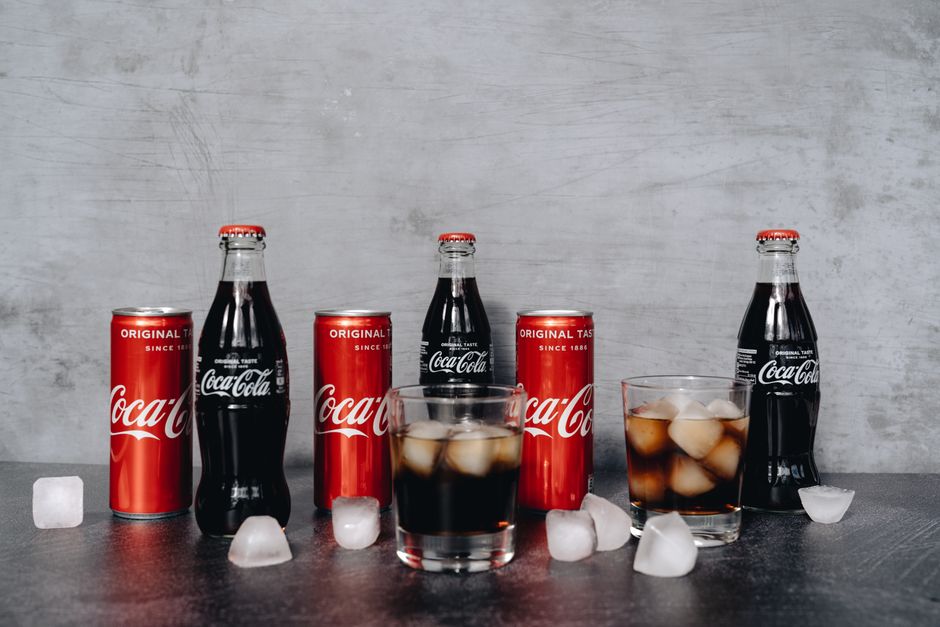
A 20 oz bottle of Coca-Cola Classic contains 57 mg of caffeine. That is the standard amount for this size across regular Coke products sold in the United States. For comparison, a standard 12 oz can of Coke has 34 mg, so the larger bottle gives you roughly two-thirds more caffeine without being a massive jump.
How Much Caffeine Is In A 20 Oz Coke Compared To Other Drinks?
Coke is not a high-caffeine drink. It sits on the lower end of the spectrum when compared to coffee, energy drinks, and even some teas.
Here is how a 20 oz Coke stacks up against common beverages:
- 20 oz Coke Classic: 57 mg
- 8 oz brewed coffee: approximately 80-100 mg
- 16 oz energy drink: typically 150-200 mg
- 12 oz Diet Coke: 46 mg
- 20 oz Mountain Dew: 91 mg
The key takeaway is that a 20 oz Coke delivers less caffeine than a standard cup of coffee. If you are sensitive to caffeine, Coke may still affect you, but it is not comparable to energy drinks or strong coffee.
Why Does Coke Have Caffeine At All?
Caffeine in cola is partly about flavor and partly about history. The original Coca-Cola formula included coca leaf extract and kola nut, both of which naturally contain caffeine. Modern Coke uses a purified caffeine additive that is added during production.
The amount is not accidental. The company targets a consistent caffeine level so every bottle tastes the same. That is why a 20 oz bottle always contains 57 mg rather than a variable range.
Caffeine also acts as a mild flavor enhancer. It adds a slight bitterness that balances the heavy sugar content. Remove the caffeine and the drink would taste noticeably sweeter and flatter.
Does Diet Coke Have The Same Amount?
No. Diet Coke contains slightly less caffeine per ounce than Coke Classic. A 12 oz can of Diet Coke has 46 mg, while a 20 oz bottle contains approximately 76 mg.
This surprises many people because they assume diet versions have more caffeine to compensate for flavor. That is not the case here. The difference is small and unlikely to matter for most drinkers, but it is real.
Caffeine-Free versions of both Coke and Diet Coke exist. They contain no caffeine at all and are labeled clearly on the packaging.



How Caffeine Affects Your Body At This Dose
For most healthy adults, 57 mg is a modest amount. The FDA considers up to 400 mg per day safe for most adults. That means a 20 oz Coke represents roughly 14% of the daily upper limit.
Individual sensitivity varies widely. Some people feel alert after a single can of soda. Others notice no effect at all. Genetics, body weight, and regular caffeine use all influence how you respond.
It takes about 30-60 minutes for caffeine to peak in your bloodstream. The half-life is roughly 3-5 hours in most adults. That means if you drink a 20 oz Coke at 3 PM, about half the caffeine is still in your system by 6-8 PM. For people with sleep issues, this matters.
Caffeine works by blocking adenosine receptors in the brain. Adenosine builds up throughout the day and makes you feel sleepy. When caffeine blocks those receptors, you feel more alert because the sleepiness signal is temporarily silenced.
Is 57 Mg Of Caffeine Safe For Everyone?
No. Certain groups should be more careful with caffeine, even at this moderate level.
Pregnant women are generally advised to keep caffeine under 200 mg per day. A 20 oz Coke fits within that limit, but it counts toward the total. Two of them would exceed it.
People with anxiety disorders, heart arrhythmias, or gastroesophageal reflux may find even 57 mg triggers symptoms. Caffeine can increase heart rate, worsen anxiety, and relax the lower esophageal sphincter, which allows stomach acid to move upward.
Children and adolescents are more sensitive to caffeine. The American Academy of Pediatrics advises against caffeine for children under 12 and recommends limited intake for teens. There is no established safe dose for children because research is limited.
Does Caffeine Content Vary By Country Or Batch?
Yes, but not in a way you would notice. Coca-Cola adjusts caffeine levels in some markets to comply with local regulations or consumer preferences. The 57 mg figure applies to standard Coke sold in the United States.
Within the US, the formula is consistent. The company tests batches to ensure uniformity. You will not get a “strong” bottle one day and a “weak” one the next.
Fountain drinks are a different story. A 20 oz fountain Coke from a restaurant may contain more or less caffeine than the bottled version. This happens because fountain syrup-to-water ratios vary by establishment and by machine calibration. If you are tracking caffeine precisely, bottled soda is more reliable than fountain soda.
How Does Coke Compare To Other Sodas?
Coke is middle-of-the-road among sodas. Some contain far more caffeine, some contain none.
Pepsi has 38 mg per 12 oz can, slightly more than Coke’s 34 mg. Mountain Dew is significantly higher at 54 mg per 12 oz can. Dr Pepper sits between Coke and Pepsi at 41 mg per 12 oz can.
Root beer, Sprite, 7-Up, and most lemon-lime sodas contain no caffeine at all. If you like soda but want to avoid caffeine, these are straightforward alternatives.
One common myth is that dark-colored sodas always contain caffeine. That is false. Root beer is dark and caffeine-free. The color comes from caramel coloring, not caffeine.
Can You Build A Tolerance To This Amount?
Yes. Regular caffeine use leads to tolerance. If you drink a 20 oz Coke daily, your brain adjusts and the alertness boost diminishes over time.
Tolerance develops because your brain increases the number of adenosine receptors in response to chronic caffeine exposure. When caffeine blocks those receptors, there are more of them to block. The same dose produces a smaller effect.
This also means withdrawal is real. Stopping caffeine suddenly after regular use can cause headaches, fatigue, and irritability. These symptoms typically begin within 12-24 hours of the last dose and resolve within 2-9 days.
Is Caffeine In Coke Addictive?
Caffeine is a psychoactive substance that can produce physical dependence. The World Health Organization recognizes caffeine dependence as a clinical condition.
However, the dose in a 20 oz Coke is modest. Dependence is more commonly associated with higher intake from coffee or energy drinks. That said, some people do develop a daily soda habit that is hard to break, and caffeine is part of the reason.
The sugar in regular Coke is also a factor. Sugar and caffeine together create a reinforcing combination that makes the habit harder to break than either substance alone.
Should You Worry About 57 Mg Of Caffeine?
For most healthy adults, no. This is a moderate dose that falls well within established safety limits.
The bigger concern with regular Coke is not caffeine. It is sugar. A 20 oz bottle contains about 65 grams of sugar, which is more than the American Heart Association’s recommended daily limit for added sugar for most adults.
If you are drinking Coke for the caffeine, there are more efficient options. A small coffee delivers more caffeine with zero sugar. If you are drinking Coke for the taste, the caffeine is a minor side effect that most people do not need to worry about.
Frequently Asked Questions
How much caffeine is in a 20 oz bottle of Coke?
A 20 oz bottle of Coca-Cola Classic contains 57 mg of caffeine. This is the standard amount for this size in the United States.
Is 57 mg of caffeine a lot?
No. It is roughly two-thirds the caffeine of a standard cup of coffee and well below the 400 mg daily limit considered safe for most adults.
Does Diet Coke have more caffeine than regular Coke?
Yes, slightly. A 20 oz Diet Coke has about 76 mg of caffeine compared to 57 mg in regular Coke.
How long does the caffeine in a 20 oz Coke last?
Caffeine peaks in your blood about 30-60 minutes after drinking. The half-life is roughly 3-5 hours, meaning half is still active several hours later.
