
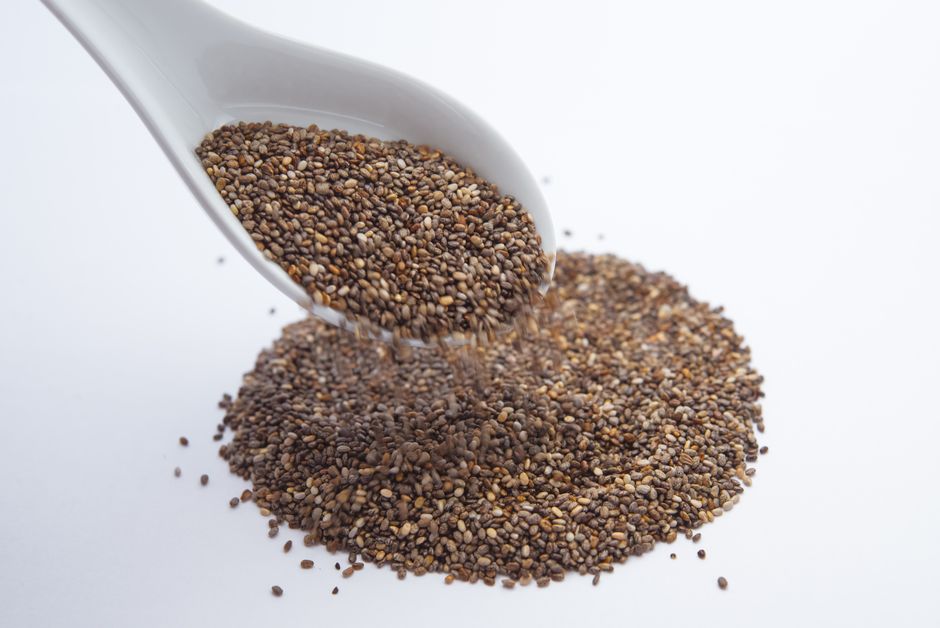
Black seed oil, pressed from the seeds of Nigella sativa, has been used as a traditional remedy for centuries across the Middle East, South Asia, and parts of Africa. In recent years it has become a popular supplement in the United States, often marketed for immune support, inflammation, and general wellness. The most common amounts studied in human trials range from about 1 to 3 grams per day of the oil, taken in divided doses with food. Some studies have used doses as low as 500 milligrams and others as high as 3 grams daily. There is no single official recommended dose, and the amount that may be appropriate depends on why you are taking it and your individual health situation.
How Much Black Seed Oil Should You Take Per Day?
Most human clinical studies have used between 1 and 3 grams of black seed oil per day, usually split into two or three doses taken with meals.
A gram of oil is roughly equivalent to about 1 milliliter, though the exact conversion depends on the oil’s density. That means 1 to 3 grams is about 1 to 3 milliliters, or roughly a quarter to a little over half a teaspoon. Many capsules contain 500 milligrams each, so a 1-gram daily amount would be two capsules.
These numbers come from research settings, not from an official dosing authority. There is no established Recommended Dietary Allowance for black seed oil, and no regulatory body has set a standard daily intake. The amounts used in studies vary widely depending on the condition being studied and the form of the oil.
Because there is no official guideline, the honest position is this: the “right” dose is not firmly established. What exists is a range that has appeared in research, and even that range is not backed by large, consistent trials.
What Forms Does Black Seed Oil Come In?
Black seed oil is sold as a liquid in bottles and as oil inside softgel capsules. The form affects how easy it is to take a consistent amount.
Liquid oil allows flexible dosing but has a strong, peppery taste that many people find unpleasant. Capsules are easier to swallow and mask the taste, but they lock you into a fixed amount per capsule, usually 500 milligrams.
Some products are labeled as “cold-pressed” or “virgin.” These terms describe how the oil was extracted, not how well it works. Cold pressing avoids heat, which may preserve some compounds, but no clinical trial has shown that cold-pressed oil produces better health outcomes than other extraction methods.
A key point that gets lost in marketing: the strength of black seed oil is often described by its thymoquinone content. Thymoquinone is one of the main active compounds studied in Nigella sativa. But supplement labels rarely list thymoquinone amounts, and there is no standard for how much a product should contain. Two bottles labeled “black seed oil” can differ significantly in what they actually deliver.
Does the Dose Depend on What You Are Taking It For?
In research, yes. Different studies have used different amounts depending on the health concern being examined, though the evidence base for most uses is limited.
For example, some studies on blood pressure, blood sugar, or inflammatory markers have used doses in the 1 to 3 gram range. But these studies are often small, short, and vary in quality. A 2021 review of clinical trials noted that the evidence is limited and that study designs differ too much to draw firm conclusions about an ideal dose for any specific condition.
This matters because a dose that appeared in one small study is not the same as a proven treatment amount. If you see a specific number attached to a specific health claim, treat it with caution. The number may come from a single study that has not been replicated.
No clinical guidelines currently exist that tie a specific black seed oil dose to a specific health outcome. Anyone who tells you otherwise is going beyond what the evidence supports.





Is There a Safe Upper Limit for Black Seed Oil?
No official upper limit has been established for black seed oil. That is not the same as saying high doses are safe.
In studies, doses up to about 3 grams per day have generally been reported as well tolerated by participants, with the most common side effects being digestive upset such as nausea, bloating, or stomach discomfort. But “generally well tolerated in small studies” is a limited statement. It does not mean high doses are risk-free, and it does not cover long-term use.
Black seed oil can interact with certain medications. Because some research suggests it may affect blood clotting and blood sugar, it could interact with blood thinners or diabetes medications. This is a real concern, not a theoretical one.
If you take prescription medication, are scheduled for surgery, or have a bleeding disorder, talk to your doctor before taking black seed oil. This is not a case where you should guess.
Who Should Be Careful With Black Seed Oil?
Certain groups should be cautious or avoid black seed oil until more is known.
- Pregnant women: Black seed and its oil have traditionally been used in some cultures during pregnancy, but clinical safety data are lacking. No clinical guidelines currently establish a safe dose for pregnant women. Because of this uncertainty, many clinicians advise avoiding it during pregnancy.
- Breastfeeding women: As with pregnancy, there is no established safe dose. Safety data for breastfeeding are limited.
- Young children: No clinical guidelines exist for black seed oil dosing in infants or children. Do not give it to a child without pediatric guidance.
- People on blood thinners: Possible effects on clotting raise concern for interaction.
- People with diabetes on medication: Possible effects on blood sugar raise concern for interaction.
- People with bleeding disorders: The same clotting concern applies.
- People preparing for surgery: Because of possible effects on clotting, some clinicians recommend stopping black seed oil before surgery. Ask your surgeon for guidance on timing.
For these groups, the honest answer is that the evidence is not there to call any dose safe. That is a different statement than saying it is dangerous. It means the data are missing.
How Should You Take Black Seed Oil?
Most studies have given black seed oil with food, which may reduce stomach upset. Taking it on an empty stomach is more likely to cause nausea for some people.
If you use liquid oil, measuring with a proper measuring spoon or dropper helps you take a consistent amount. If you use capsules, follow the label and count your total daily intake across all doses.
It is reasonable to start at a lower amount, such as 500 milligrams to 1 gram per day, and see how your stomach responds. This is a common-sense approach, not a rule from a clinical guideline. There is no research that establishes the best way to start or build up.
Keep expectations realistic. Black seed oil is not a treatment for any disease, and no large human trial has confirmed that it prevents or cures any condition. If a product claims otherwise, that claim is not supported by current evidence.
What Does the Research Actually Show?
The research on black seed oil is early and mixed. That is the accurate summary.
Many studies are small, short in duration, and conducted in different populations using different products. Black seed oil products themselves vary in composition, which makes comparing results difficult. A review of the clinical evidence has repeatedly noted these limitations.
Some studies suggest possible effects on markers like blood pressure, blood sugar, or inflammation. But “possible effects on markers” is not the same as “proven to improve health outcomes.” A change in a lab value does not automatically mean a person feels better or lives longer.
This is where a lot of supplement marketing goes wrong. A study showing a small change in one blood marker gets turned into a bold health claim. The gap between the two is large.
The most defensible statement is this: black seed oil is an active area of research, some early findings are interesting, and the evidence is not yet strong enough to recommend it as a treatment for any condition.
What About Black Seed Oil vs. Black Seed Powder?
Black seed is also sold as whole seeds, ground powder, and in baked goods. The oil and the powder are not interchangeable.
The oil is a concentrated extract of the fat-soluble compounds. The powder contains the whole seed, including fiber and other components. Traditional use often involved the seeds or powder rather than the oil.
Research on the oil does not automatically apply to the powder, and vice versa. If you are trying to match a study, you need to match the form used in that study. Most modern clinical research on Nigella sativa has used the oil or a standardized extract.
Do You Need to Cycle Black Seed Oil?
There is no evidence-based reason to cycle black seed oil on and off. The idea of cycling comes from general supplement culture, not from clinical research on black seed oil specifically.
That said, long-term safety data are limited. Most studies have run for weeks to a few months, not years. So the honest position is that we do not know much about what happens with continuous use over many years.
Bottom Line on Dosing
If you decide to try black seed oil, the amounts most often used in research are 1 to 3 grams per day, taken with food. A reasonable starting point for many people is a lower amount, such as 500 milligrams to 1 gram daily, though this is not from an official guideline.
There is no established recommended dose, no official upper limit, and no proof that black seed oil treats any disease. If you take medication, are pregnant or breastfeeding, or are preparing for surgery, talk to a clinician first. The evidence is not strong enough to promise benefits, and the safety data are not complete enough to promise it is risk-free for everyone.
Frequently Asked Questions
How much black seed oil should I take daily?
Most human studies have used 1 to 3 grams per day, often split into two or three doses with food. No official recommended dose exists, so this range reflects research settings rather than a clinical guideline.
Can I take black seed oil on an empty stomach?
You can, but it is more likely to cause nausea or stomach upset for some people. Taking it with food is how most studies have given it and may reduce digestive discomfort.
Is 1 teaspoon of black seed oil too much?
A teaspoon is roughly 4 to 5 milliliters, which is more than the 1 to 3 gram range used in most studies. There is no established safe upper limit, so larger amounts have not been well studied.
Who should not take black seed oil?
Pregnant and breastfeeding women, young children, and people on blood thinners or diabetes medication should be cautious because safety data and dosing guidelines for these groups are lacking. Talk to a doctor before starting it if any of these apply to you.
