
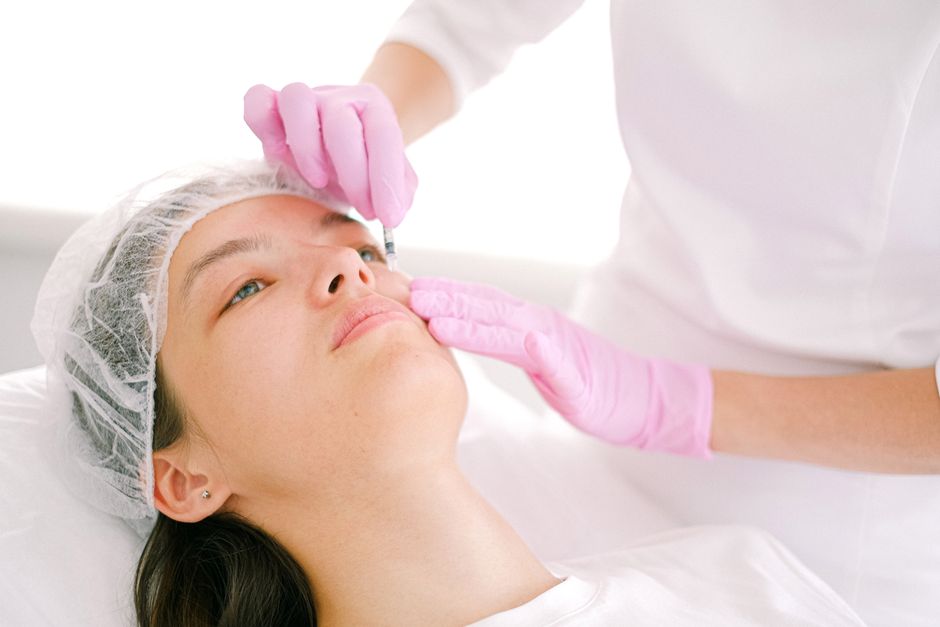
Botox injections are priced per unit, and most cosmetic treatments use between 20 and 60 units in total. At typical US rates of roughly $10 to $15 per unit, that puts most single-area treatments somewhere between $200 and $900. The exact number depends on the area treated, how many units your injector uses, and where you live.
Botox is a brand name for botulinum toxin type A, a purified protein that temporarily relaxes specific facial muscles. It is one of the most common cosmetic procedures in the US, and it is also used medically for conditions like chronic migraine and muscle spasticity. This article focuses on cost, but cost only makes sense once you understand how the pricing actually works.
How Much Are Botox Injections Priced Per Unit?
Botox is sold by the unit, not by the syringe or the session. That single fact explains most of the price variation people see. A unit is a standardized measure of the toxin’s biological activity, and the manufacturer produces it in fixed-size vials that providers buy at wholesale.
Most US providers charge somewhere between $10 and $15 per unit for cosmetic Botox. Some charge more in major cities or at dermatology and plastic surgery practices. Some charge less through membership programs, promotional pricing, or high-volume med spas. A few providers quote a flat fee per area instead of per unit.
That flat-fee model is worth understanding. If a provider charges “$300 for the forehead,” you are not seeing how many units you receive. Some flat-fee clinics use fewer units to protect their margin. Others use a standard amount and absorb the difference. Ask how many units are included before you book.
What the manufacturer’s pricing looks like
Allergan, the company that makes Botox, sells to licensed providers at a wholesale price well below retail. The gap between wholesale and what you pay covers the provider’s time, training, overhead, and margin. That gap is normal in medical aesthetics, but it is also why two clinics a mile apart can quote very different prices for the same treatment.
How Many Units Do You Need for Each Area?
Unit counts vary by person, because facial muscle strength and size differ. Still, most experienced injectors work within fairly consistent ranges for each area. These are typical cosmetic ranges, not a prescription for your face.
| Treatment area | Typical unit range | Typical cost at $10–$15/unit |
|---|---|---|
| Glabellar lines (between the brows) | 20–30 units | $200–$450 |
| Forehead lines | 10–20 units | $100–$300 |
| Crow’s feet (around the eyes) | 12–24 units total | $120–$360 |
| Bunny lines (nose) | 5–10 units | $50–$150 |
| Masseter (jaw slimming) | 20–50 units per side | $400–$1,500 |
| Full upper face (brows, forehead, eyes) | 40–60 units | $400–$900 |
Two people can get the same treatment from the same injector and pay different amounts. A person with strong forehead muscles may need more units to get a visible result. A person with a smaller face may need fewer. This is not upselling — it reflects how the drug works.
Why Do Botox Prices Vary So Much Between Clinics?
Geography is the biggest single factor. Cosmetic Botox in New York, Los Angeles, San Francisco, and Miami routinely costs more than in smaller cities and rural areas. Rent, staffing, and local demand all feed into the price.
Provider type matters too. A board-certified dermatologist or plastic surgeon typically charges more than a nurse injector at a med spa. That premium partly reflects training and partly reflects the cost of running a medical practice. It does not automatically mean better results, but it does mean more medical oversight if something goes wrong.
Then there is the question of what is actually in the syringe. Botox is not the only botulinum toxin product on the US market. Dysport and Xeomin are also FDA-approved, and Jeuveau is another option. These products are not interchangeable unit for unit. Each has its own unit scale, so a “unit” of Dysport is not the same as a “unit” of Botox. If a clinic quotes a very low per-unit price, confirm which product they are using.
Some providers also dilute more heavily to stretch a vial. This is a real practice in some high-volume clinics. It does not necessarily harm you, but it can mean the effect is weaker or fades faster than expected.




Are There Hidden Costs Beyond the Per-Unit Price?
Sometimes. The per-unit price is usually the whole cost for a straightforward cosmetic treatment, but a few add-ons appear on some invoices.
- Consultation fees. Some practices charge for the initial visit and waive it if you book treatment the same day.
- Touch-up visits. Many injectors offer a free two-week touch-up if the result is uneven. Others charge for it. Ask before you book.
- Numbing cream. Botox injections are quick and most people do not need numbing. Some clinics charge for it anyway.
- Membership programs. These can lower the per-unit price but usually require a monthly fee or a minimum spend.
One non-obvious point: the cheapest quote is often not the cheapest outcome. If a clinic uses too few units to save money, you may need a second treatment two weeks later, and the total can end up higher than a single properly dosed session elsewhere.
How Long Does Botox Last, and How Does That Affect Cost?
Cosmetic Botox typically lasts about three to four months for most people. Some people get closer to three months, some closer to five. The variation is real and depends on your metabolism, muscle activity, and the area treated.
That timeline matters for budgeting. If you treat a single area at $300 every three months, you are spending roughly $1,200 a year on that area alone. Treating three areas can push annual spending well past $3,000. Many people space treatments out or rotate areas to manage cost.
With repeated use, some people find the effect lasts a little longer over time, though this is not universal and the evidence is not strong enough to promise it. Others find the opposite. Do not budget around either assumption.
Is Cheaper Botox Ever a Bad Idea?
Price alone does not tell you whether a provider is safe. But some discount signals are worth taking seriously.
Botox is a prescription drug. It should come from a licensed provider working in a medical setting, with a real medical history taken first. Offers that skip the consultation, arrive through social media DMs, or come from unlicensed “Botox parties” are a genuine safety concern. Counterfeit and mishandled botulinum toxin products have caused serious harm, including hospitalization, in the US and abroad.
The FDA has warned about unapproved botulinum toxin products sold directly to consumers. Legitimate Botox comes in a sealed vial from the manufacturer and is stored and reconstituted according to strict rules. A provider who cannot tell you which product they use and where it comes from is a red flag.
None of this means the most expensive clinic is the best. It means the floor on price exists for a reason. If a quote is dramatically below local norms, ask why.
What About Medical Botox for Migraine or Other Conditions?
Botox is FDA-approved for chronic migraine, and that use is priced differently from cosmetic treatment. For chronic migraine, the standard protocol is 155 units injected across specific sites on the head and neck, typically every 12 weeks. At $10 to $15 per unit, that works out to roughly $1,550 to $2,325 per session before insurance.
Insurance coverage for medical Botox varies widely. Some plans cover it for chronic migraine when other treatments have failed, and some do not. The manufacturer also runs a patient assistance program, though eligibility rules change and you should check current terms directly with the company or your doctor’s office.
Medical Botox is also used for muscle spasticity, cervical dystonia, and certain bladder conditions, among others. Dosing for those conditions is set by the treating specialist and is not comparable to cosmetic pricing.
How Should You Think About the Cost?
Expect to pay somewhere between $200 and $900 for a typical single-area cosmetic treatment, and more if you treat multiple areas. Per-unit pricing is the norm, and the per-unit rate in most US markets sits around $10 to $15.
The most useful question is not “what is the cheapest price” but “what is the total cost of a result I am happy with.” That includes the provider’s skill, the product they use, whether touch-ups are included, and how long the result lasts for you. Ask those questions before you book. A good injector will answer them without hesitation.
Frequently Asked Questions
How much does Botox cost for the forehead?
Forehead treatment typically uses 10 to 20 units, which usually costs between $100 and $300 at standard US per-unit rates. The exact amount depends on your muscle strength and your provider’s pricing.
Is $10 per unit a normal price for Botox?
Yes, $10 per unit falls within the typical US range of roughly $10 to $15. Prices below that are sometimes promotional or reflect a different botulinum toxin product with a different unit scale.
How often do you need Botox to maintain results?
Most people need treatment every three to four months to maintain cosmetic results. Some get closer to five months and some closer to three.
Does insurance cover Botox for migraine?
Some insurance plans cover Botox for chronic migraine when other treatments have not worked, but coverage varies by plan. Cosmetic Botox is not covered by insurance.
