
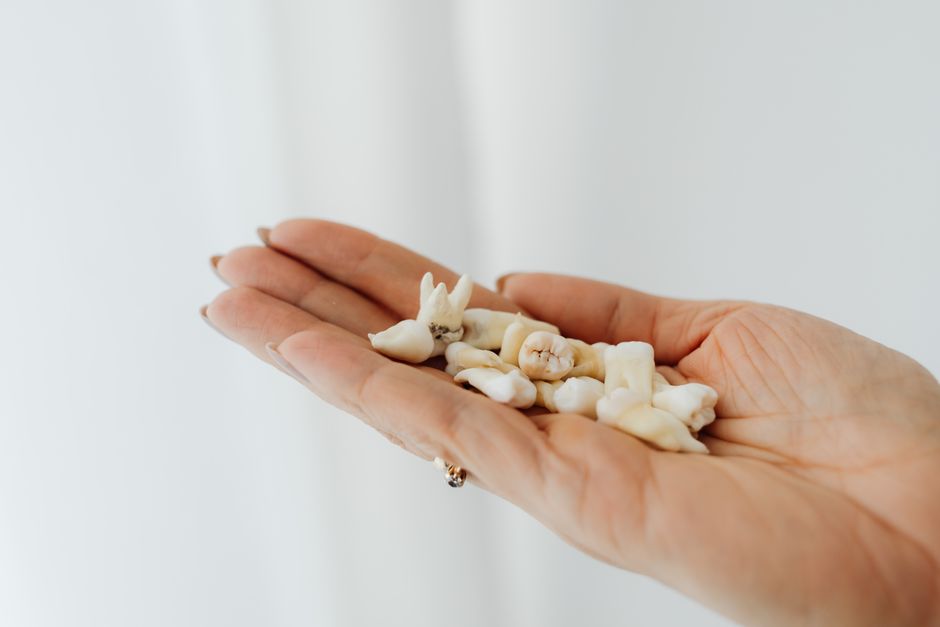
Most adults have four wisdom teeth — one in each back corner of the mouth. These are the third molars, the last teeth to come in. Some people have fewer, and some have none at all. Wisdom teeth typically appear between ages 17 and 25. They are a leftover from our ancestors who needed extra chewing power for a rough diet. For many people today, they cause problems and need to be removed.
How Many Wisdom Teeth Do Most People Have?
Research shows that about 65% of people develop all four wisdom teeth. The American Association of Oral and Maxillofacial Surgeons reports that roughly 5 million people in the United States have their wisdom teeth removed each year. Having four is the most common pattern, but it is not universal. Some people have only two or three. Others have none at all. The number depends on genetics, ancestry, and individual development. People of Asian and Inuit descent are more likely to have fewer wisdom teeth or none. About 35% of the population is born without at least one wisdom tooth. A small percentage — roughly 1-2% — never develop any wisdom teeth at all. This is a normal variation, not a medical problem.
How Many Wisdom Teeth Can Come In at Different Ages?
Wisdom teeth follow a general timeline, but it varies widely. Most people see their wisdom teeth start to emerge between ages 17 and 21. The roots finish forming by age 25. After age 30, wisdom teeth rarely come in on their own. If they have not appeared by the late twenties, they are likely either missing entirely or stuck below the gum line. Impacted wisdom teeth — teeth that cannot fully break through — are common. Studies published in the Journal of Oral and Maxillofacial Surgery found that up to 72% of people have at least one impacted wisdom tooth. Impacted teeth can cause pain, infection, and damage to nearby teeth. They are often removed before they cause problems. Some people have wisdom teeth that come in normally and never cause issues. This is less common but possible. Regular dental X-rays are the best way to know what is happening with your wisdom teeth at any age.
What Does Research Say About How Many Wisdom Teeth and Problems?
The evidence is clear that more wisdom teeth mean more potential for complications. A review in the Cochrane Database of Systematic Reviews found that removing wisdom teeth before problems develop reduces the risk of future gum disease and tooth decay. The reasoning is straightforward. Wisdom teeth are hard to clean. They sit at the very back of the mouth. Food and bacteria get trapped easily. This leads to cavities in the wisdom tooth itself and in the tooth next to it. Impacted wisdom teeth create pockets where bacteria grow. These pockets can cause infections and abscesses. Pericoronitis — inflammation of the gum tissue around a partially erupted wisdom tooth — is a common and painful condition. Research from the British Dental Journal estimates that about 10% of wisdom tooth removals are due to pericoronitis. Cysts can also form around impacted wisdom teeth. These fluid-filled sacs can damage the jawbone and nearby nerves. While rare, tumors can develop from the tissue around impacted wisdom teeth. The risk increases with age, which is why many dentists recommend removal in the teenage years or early twenties.
| Number of Wisdom Teeth | Percentage of Population | Common Issues |
|---|---|---|
| Four | ~65% | Crowding, impaction, decay |
| Two or Three | ~20% | Partial impaction, infection |
| One | ~10% | Usually minimal if well-positioned |
| None | ~1-2% | No wisdom tooth issues at all |




What Are the Signs That Your Wisdom Teeth Are Causing Problems?
Pain is the most obvious sign. Pain at the back of the mouth, near the jaw, or in the ear can signal a problem. Swelling around the gums is another red flag. Red, tender, or bleeding gums near the back molars indicate inflammation. Bad breath or a bad taste in the mouth that will not go away can mean an infection is present. Difficulty opening your mouth fully is a more serious sign. This can happen when an impacted wisdom tooth pushes against the jaw muscles. Headaches that start in the jaw area are also possible. Cysts or tumors do not always cause early symptoms. They are often found on routine dental X-rays before they become painful. Some people have no symptoms at all but still have hidden problems. A 2019 study in the Journal of Dental Research found that about 30% of asymptomatic wisdom teeth had decay or gum disease that was not causing pain yet. This is why regular checkups matter even when nothing hurts.
Should You Remove All Your Wisdom Teeth?
There is no single answer that fits everyone. The decision depends on the number of wisdom teeth you have, their position, your age, and your overall health. Some studies suggest that removing wisdom teeth that are healthy and fully erupted may not be necessary. The National Institute for Health and Care Excellence in the UK recommends against routine removal of healthy, problem-free wisdom teeth. In the United States, the approach is more aggressive. Many oral surgeons recommend removal even for asymptomatic wisdom teeth, especially in younger patients. The reasoning is that younger people heal faster and have fewer complications. Recovery from wisdom tooth removal is generally easier for people under 25. After age 35, the risks of surgery increase. Dry socket, nerve damage, and infection are more common in older patients. A 2020 study in the Journal of the American Dental Association found that complication rates for wisdom tooth removal were significantly lower in patients aged 16 to 25 compared to those over 35. If your wisdom teeth are causing pain, damaging other teeth, or at high risk for future problems, removal is usually the right call. If they are healthy, fully erupted, and easy to clean, monitoring them may be a reasonable option. Talk to your dentist and oral surgeon. Get a second opinion if you are unsure.
- Wisdom teeth that are fully erupted and healthy may not need removal
- Impacted wisdom teeth almost always require removal to prevent future issues
- Younger patients heal faster and have fewer surgical complications
- Regular X-rays are essential for monitoring wisdom teeth that are left in place
- Partial eruption is often worse than no eruption — it creates a flap where bacteria hide
What Happens If You Never Remove Your Wisdom Teeth?
Some people keep their wisdom teeth their entire lives without problems. This is more likely if the teeth are fully erupted, well-aligned, and easy to clean. But for most people, leaving wisdom teeth in place comes with risks. The most common long-term issue is damage to the second molars — the teeth right in front of the wisdom teeth. Impacted wisdom teeth can push against these molars, causing cavities, gum disease, and even bone loss. Crowding is another concern. Some evidence suggests that wisdom teeth can push other teeth out of alignment, though this is debated. A study in the American Journal of Orthodontics and Dentofacial Orthopedics found that wisdom teeth do not always cause crowding, but they can contribute to it in some people. Gum disease is a real risk. Wisdom teeth are hard to clean, and gum disease at the back of the mouth can spread. A 2018 study in the Journal of Periodontology linked retained wisdom teeth to higher rates of periodontal disease in the surrounding teeth. Cysts and tumors are rare but serious. About 1-2% of impacted wisdom teeth develop cysts. These can grow large and damage the jawbone before they cause symptoms. If you choose to keep your wisdom teeth, you need to be diligent about cleaning them. A water flosser can help reach the area. Regular dental visits for X-rays and exams are non-negotiable.
Common Misconceptions About Wisdom Teeth
One widespread myth is that everyone has four wisdom teeth. As discussed, about 35% of people have fewer. Another myth is that wisdom teeth always cause crowding after braces. This is not fully supported by research. Some people experience crowding, but it is not guaranteed. A third misconception is that wisdom teeth removal is always necessary. It is not. Many people keep their wisdom teeth without issue. The idea that wisdom teeth must come out as soon as they appear is also false. Timing matters, but there is no emergency unless there is pain or infection. Some people believe that wisdom teeth removal causes facial changes or “sunken” cheeks. This is not true. The surgery removes teeth, not bone structure. Any visible change is temporary swelling or healing. Another common claim is that wisdom teeth can push your sinuses out of place. Upper wisdom teeth are near the sinuses, but removal does not change sinus structure. It can create a small opening that usually heals on its own. These myths persist because dental information is often oversimplified. The truth is that wisdom teeth are variable, and treatment should be individualized.
Frequently Asked Questions
How many wisdom teeth do most adults have?
Most adults have four wisdom teeth, one in each corner of the mouth. About 65% of people develop all four.
Can you have more than four wisdom teeth?
Yes, some people have extra wisdom teeth called supernumerary teeth. This is rare and occurs in about 1-2% of the population.
Is it normal to have no wisdom teeth at all?
Yes, about 1-2% of people are born without any wisdom teeth. This is a normal genetic variation and not a health problem.
Do wisdom teeth always need to be removed?
No, wisdom teeth that are healthy, fully erupted, and easy to clean can often stay. Removal is recommended when they cause pain, infection, or damage to other teeth.
