
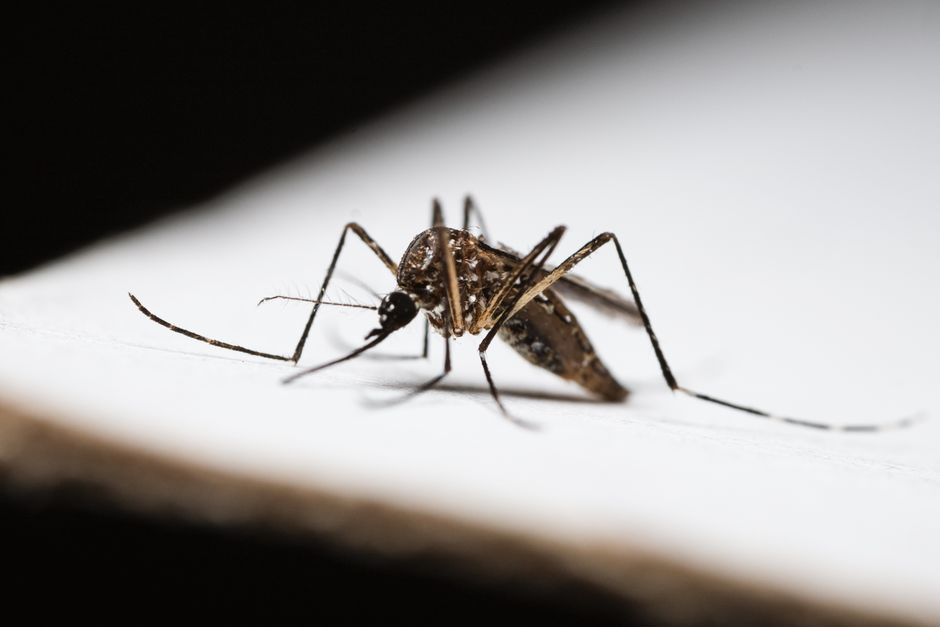
Bed bugs have exactly six legs. Like all insects, they belong to a group called Hexapoda, which literally means “six legs.” Three legs on each side of their flat, oval body. This is not a detail that varies by species or region — every true bed bug, from Cimex lectularius to Cimex hemipterus, has six. If you find a bug with eight legs, it is not a bed bug. That is a tick or a spider, and it requires a different response entirely.
How Many Legs Do Bed Bugs Have? Numbers
Bed bugs have six legs, arranged in three pairs. Each pair attaches to a different segment of the thorax, which is the middle section of the insect’s body. The front pair is closest to the head, the middle pair sits beneath the center of the body, and the rear pair extends from the back of the thorax near the abdomen.
Each leg ends in a tiny claw-like structure. These claws help bed bugs grip rough surfaces like fabric, wood, and even drywall. This grip is why bed bugs can climb most surfaces easily. They cannot climb smooth glass or polished metal, which is why some pest control professionals use glass or plastic barriers to trap them during inspections.
How to Count Legs on a Bed Bug
Counting legs on a bed bug is harder than it sounds. Adult bed bugs are only about a quarter of an inch long — roughly the size of an apple seed. Their legs are thin and pale compared to their reddish-brown body, and they tuck close to the body when the insect is at rest.
You need a magnifying glass or a good macro lens on your phone. Place the bed bug on a flat, light-colored surface. Gently nudge it with a cotton swab to get it moving. As it walks, the legs become easier to see. Count three on the left side and three on the right. If you can only see four or five, the insect may have lost legs due to injury or molting problems — but the species still has six by design.
A simpler identification trick: look at the body shape, not just the legs. Bed bugs are flat and oval with a segmented abdomen. They have antennae, and they do not have wings. If the insect has wings, it is not a bed bug.
Bed Bug Legs vs. Other Insects
Misidentification is extremely common. Many people mistake other insects for bed bugs, especially when they are anxious about a possible infestation. Knowing leg counts helps narrow it down.
- Bed bugs: 6 legs, no wings, flat oval body, reddish-brown.
- Ticks: 8 legs, no antennae, oval body, can be very flat before feeding.
- Spiders: 8 legs, two body segments, no antennae.
- Fleas: 6 legs, but they are narrow side-to-side and jump. Bed bugs crawl, they do not jump.
- Cockroach nymphs: 6 legs, but they have long antennae and move quickly. Bed bugs move slowly.
- Carpet beetles: 6 legs, but they are round and often have patterned shells.
If you count eight legs, stop the bed bug investigation. You are dealing with an arachnid, not an insect. Ticks and spiders require different control methods and different medical considerations if a bite occurred.





Why Leg Count Matters for Identification
Leg count is one of the fastest ways to rule bed bugs in or out. It is a basic biological fact that separates insects from arachnids. Insects have six legs; arachnids have eight. This is not a judgment call — it is a defining characteristic of these animal classes.
However, leg count alone is not enough for a confident identification. Other features matter just as much. Bed bugs have a distinct smell, sometimes described as musty or sweet, like coriander. They leave behind small rust-colored stains on sheets from their droppings. They bite in a line or cluster, often on exposed skin while you sleep. And they hide in specific places — mattress seams, box springs, bed frames, and cracks in baseboards near the bed.
If you find a six-legged insect in your bedroom, it could still be a flea, a louse, a carpet beetle, or a booklouse. Each of these requires a different response. If you are uncertain, capture the insect in a sealed plastic bag or a jar and bring it to a pest control professional or your local cooperative extension office for identification.
Can Bed Bugs Lose Legs?
Yes, bed bugs can lose legs. They can lose them during molting, from being crushed, or from aggressive handling during an inspection. A bed bug missing one or two legs can still survive and move, though more slowly. It may also have difficulty climbing certain surfaces.
This creates a practical problem. You might find a bed bug with only five or four legs. Counting legs in that moment would give you the wrong number. The correct answer is still six — the species always has six legs at birth — but the individual insect in front of you may have fewer due to injury.
Do not let a missing leg confuse your identification. Focus on the other features: body shape, antennae, wings (or lack of them), and behavior.
Bed Bug Life Cycle and Leg Development
Bed bugs go through five immature stages called nymphs before reaching adulthood. Each stage requires a blood meal to molt to the next. Nymphs are smaller and lighter in color than adults, but they already have six legs from the moment they hatch.
There is no larval stage in bed bugs. Unlike butterflies or beetles, which have worm-like larvae, bed bugs hatch as miniature versions of adults. They are called nymphs, and they look like tiny, pale bed bugs. They have six legs immediately. This is true from the first instar — the first stage after hatching — through all five nymph stages and into adulthood.
This matters for pest control. If you see tiny translucent insects with six legs crawling in your mattress seams, they are likely newly hatched bed bug nymphs. Their small size makes them easy to miss, but their leg count confirms they are insects, not mites or other arachnids.
How Bed Bugs Use Their Legs
Bed bug legs are not just for walking. They serve several purposes that matter for both survival and detection.
First, they allow rapid movement across many surfaces. Bed bugs can crawl up walls, across ceilings, and through fabric. They can travel several feet per minute, which is fast enough to move from a bed to a nearby wall or piece of furniture in seconds.
Second, their legs help them find hiding spots. Bed bugs are thigmotactic, meaning they prefer tight spaces where their bodies touch the surfaces around them. Their legs help them wedge into seams, cracks, and crevices as thin as a credit card’s edge. This is why they hide in mattress seams and behind baseboards.
Third, their legs play a role in mating. Male bed bugs use their legs to position themselves during traumatic insemination, a process where the male pierces the female’s abdomen with a specialized organ. This is not something you need to worry about for identification, but it explains why you may see bed bugs clustered together in hiding spots.
Frequently Asked Questions
Do bed bugs have 6 or 8 legs?
Bed bugs have exactly 6 legs. Any insect with 8 legs is an arachnid, like a tick or spider, not a bed bug.
Can you see bed bug legs with the naked eye?
Adult bed bugs are about the size of an apple seed, so their legs are visible but very thin. A magnifying glass or phone camera zoom makes counting legs much easier.
Do baby bed bugs have 6 legs?
Yes, bed bug nymphs have 6 legs from the moment they hatch. They never go through a legless or worm-like stage.
What looks like a bed bug but has 8 legs?
Ticks and spiders have 8 legs and are often mistaken for bed bugs. Ticks are especially confusing because they are flat and reddish-brown before feeding.
