
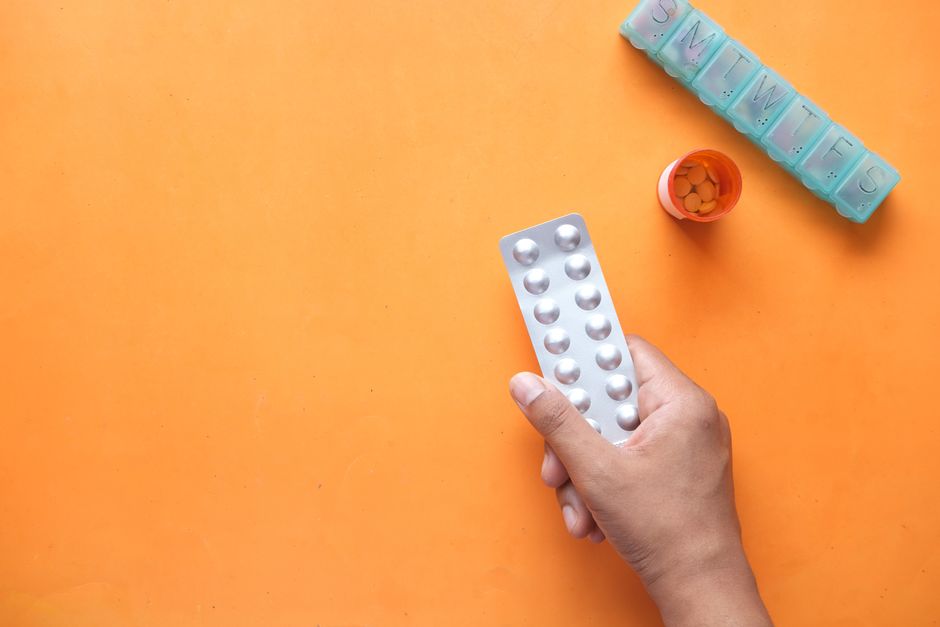
Plan B is a backup method, not a regular birth control plan. You can take it more than once in a single year, and there is no official limit on how many times you can use it. Taking multiple doses in one cycle is also possible, though it is not recommended because of side effects and because it is less effective than using a regular method of contraception.
What Is Plan B and How Does It Work?
Plan B is a type of emergency contraceptive pill. It contains a hormone called levonorgestrel. This is a progestin, which is a synthetic version of a hormone your body makes naturally.
The pill works by delaying ovulation. If you have not ovulated yet, the hormone pushes back the release of an egg from the ovary. Sperm can live inside the female reproductive tract for several days. If ovulation is delayed long enough, the sperm will die before an egg is released. This prevents fertilization from happening in the first place.
It does not end a pregnancy. If you have already ovulated and the egg has been fertilized, Plan B will not work. It is not an abortion pill. The medical term for these pills is “emergency contraception” because they are meant for emergencies only.
Is There a Limit to How Many Times You Can Take Plan B?
There is no medical limit on how many times you can take Plan B in a year. The manufacturer does not list a maximum number of doses. Clinical guidelines do not restrict the number of times a person can use emergency contraception in a 12-month period.
This does not mean it is a good idea to use it as your main birth control. It is less effective than regular methods. It also causes more side effects. But if you need it, you can take it. Do not skip using it because you already used it last month or last week.
The bigger concern is not a yearly limit. The concern is using it repeatedly in the same menstrual cycle. If you take Plan B and then have unprotected sex again a few days later, the first dose may no longer be protecting you. You would need another dose. This is safe, but it is a sign that your current birth control method is not working for you.
How Often Can You Take Plan B in One Cycle?
You can take Plan B more than once in a single menstrual cycle. If you have unprotected sex again after taking a dose, you may need another dose. The first dose only protects against the one act of unprotected sex that it was taken for.
Taking multiple doses in one cycle is safe in the sense that it will not cause permanent harm. But it will likely mess with your cycle. You may have spotting, irregular bleeding, or a period that comes early or late. Your next period might be heavier or lighter than normal.
Repeated use in one cycle also raises your risk of side effects like nausea, headache, and breast tenderness. These effects go away on their own. They are not dangerous, but they are unpleasant.





What Happens to Your Body When You Take Plan B Repeatedly?
Each dose of Plan B delivers a large amount of hormone into your system. This is intentional. The dose is high enough to delay ovulation, but it is much higher than what your body sees in a daily birth control pill.
When you take this high dose, your hormone levels spike and then drop. This can confuse your body’s normal rhythm. Your cycle may become irregular for a month or two. Some people experience nausea, fatigue, headaches, or dizziness within a few hours of taking the pill.
These side effects are temporary. They usually resolve within 24 to 48 hours. Your cycle typically returns to normal within one or two months. There is no evidence that repeated use causes long-term fertility problems. Using Plan B many times does not damage your reproductive system or reduce your chances of getting pregnant in the future.
Why Plan B Is Not a Good Regular Birth Control Method
Plan B is less effective than regular birth control. It works about 75 to 89 percent of the time when taken within 72 hours of unprotected sex. The exact effectiveness depends on where you are in your cycle and how quickly you take the pill. Regular methods like the pill, the patch, or an IUD are over 99 percent effective with typical use.
Cost is another factor. Plan B can cost between $40 and $50 per dose. If you use it once a month, that adds up to hundreds of dollars a year. Many regular birth control methods are free or low cost with insurance.
There is also the side effect burden. Taking a high-dose hormone repeatedly is harder on your body than taking a low-dose daily pill. You are more likely to have nausea, irregular bleeding, and cycle changes. None of these are dangerous, but they are disruptive.
What Are the Alternatives to Plan B?
If you find yourself needing emergency contraception often, a copper IUD may be a better option. A copper IUD can be inserted up to five days after unprotected sex and works as emergency contraception. It is over 99 percent effective. Once it is in place, it also provides ongoing birth control for up to 12 years.
A prescription emergency contraceptive pill called ella is another option. It contains ulipristal acetate. It works better than Plan B, especially for people who weigh more than 165 pounds. It also stays effective for up to five days after unprotected sex. Plan B works best within the first 72 hours, and its effectiveness drops as time passes.
Weight matters for Plan B. Studies have shown that Plan B may be less effective for people who weigh more than 165 pounds. It may not work at all for people over 175 pounds. The copper IUD and ella do not have this same limitation. If you weigh more than 165 pounds, ask a clinician about these alternatives.
For ongoing contraception, talk to a doctor about options that fit your life. Options include birth control pills, the patch, the vaginal ring, the shot, the implant, and hormonal IUDs. These methods are designed for regular use and are much more effective than emergency contraception.
When to See a Doctor
See a doctor if your period is more than a week late after taking Plan B. This could mean the pill did not work and you are pregnant. It could also mean something else is going on with your cycle. A pregnancy test is the first step.
See a doctor if you have severe abdominal pain that does not go away. This is not a typical side effect of Plan B. Pain on one side of your lower belly could be a sign of an ectopic pregnancy, which is a medical emergency.
If you are using Plan B more than a few times a year, make an appointment to discuss better birth control options. This is not because you are doing something harmful. It is because there are methods that work better, cost less, and cause fewer side effects.
Frequently Asked Questions
Can taking Plan B multiple times cause infertility?
No. There is no evidence that repeated use of Plan B causes infertility. It does not damage your reproductive organs or reduce your future chances of getting pregnant.
How many times can you take Plan B in one week?
There is no medical limit, but you should only take it if you have had another act of unprotected sex. Each dose only protects against the one act it was taken for.
Is Plan B less effective if you weigh more?
Yes. Studies suggest Plan B may be less effective for people over 165 pounds and may not work for people over 175 pounds. The copper IUD or ella are better options at higher weights.
Can you take Plan B while on birth control pills?
Yes, but it is rarely needed. If you missed pills or took them late, Plan B can serve as a backup. Keep taking your regular pills as prescribed.
