
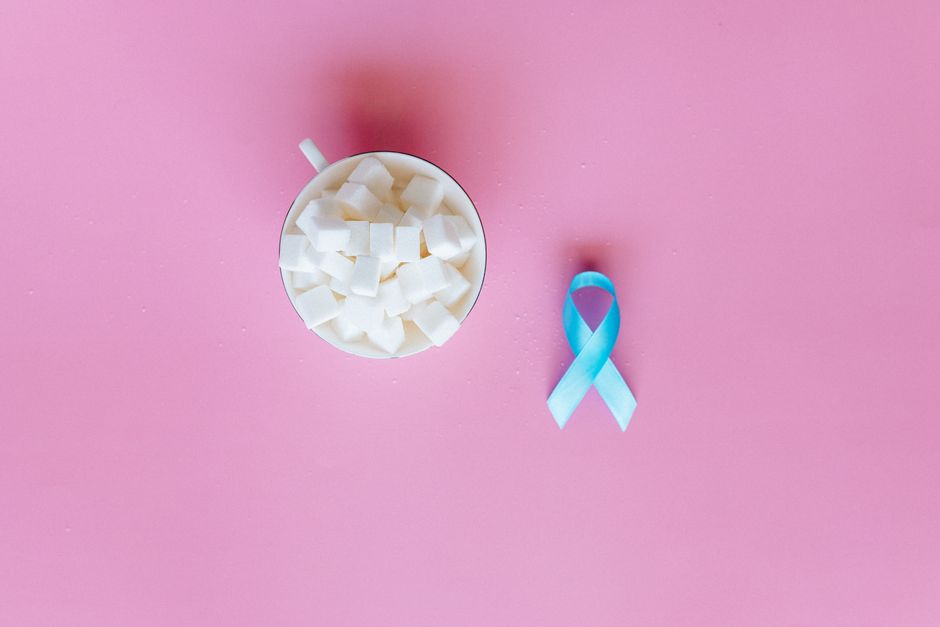
If you have ever stood in your kitchen with a bag of sugar and a recipe asking for cups, you know the question hits fast. A standard 4-pound bag of granulated sugar holds about 9 cups. A 2-pound bag holds about 4.5 cups. A 5-pound bag holds about 11.25 cups. These numbers are based on granulated white sugar packed loosely, which is how most recipes assume you measure it. The exact cup count changes depending on the type of sugar and how you scoop it.
How Many Cups Are in a Standard Bag of Sugar?
The most common bag sizes in US grocery stores are 2 pounds, 4 pounds, and 5 pounds. For granulated white sugar, one pound equals roughly 2.25 cups. Multiply that by the bag weight and you get your answer. A 4-pound bag gives you about 9 cups. A 5-pound bag gives you about 11.25 cups. A 2-pound bag gives you about 4.5 cups.
These numbers come from the standard weight-to-volume conversion used by the USDA and most baking textbooks. One cup of granulated sugar weighs 7 ounces or 200 grams. A pound is 16 ounces. So one pound of sugar is 16 divided by 7, which equals about 2.28 cups. That slight variation from 2.25 is why some sources say 2.25 and others say 2.3 or 2.28. For home baking, 2.25 cups per pound is accurate enough.
Brown sugar and powdered sugar weigh differently. Brown sugar is denser because of the molasses. One cup of packed brown sugar weighs about 8 ounces. That means one pound of brown sugar equals about 2 cups when packed. Powdered sugar is lighter. One cup of unsifted powdered sugar weighs about 4.5 ounces. So one pound of powdered sugar equals about 3.5 cups. Always check if your recipe calls for sifted or unsifted powdered sugar because that changes the volume.
Does the Type of Sugar Change the Cup Count?
Yes, the type of sugar changes the cup count significantly. Granulated sugar is the standard reference point. But brown sugar, powdered sugar, and raw sugars all have different densities. The table below shows the approximate cup counts for one pound of common sugar types.
| Sugar Type | Cups per Pound | Notes |
|---|---|---|
| Granulated white sugar | 2.25 cups | Standard for most baking |
| Packed brown sugar | 2.25 cups | Must be firmly packed into cup |
| Unsifted powdered sugar | 3.5 cups | Sifting adds air and increases volume |
| Sifted powdered sugar | 4.5 cups | Much lighter per cup |
| Turbinado or raw sugar | 2.1 cups | Larger crystals, slightly less dense |
The biggest difference comes from how you pack the cup. Brown sugar is almost always measured packed firmly into the measuring cup. If you scoop it loosely, you get significantly less sugar than the recipe expects. Powdered sugar is the opposite — sifting it changes the volume so much that recipes will specify sifted or unsifted. Ignoring that instruction can throw off the sweetness and texture of your baked goods.
How Should You Measure Sugar for Accuracy?
The most accurate way to measure sugar is by weight using a kitchen scale. This eliminates all the guessing about how tightly the sugar is packed or how much air is in the cup. Many professional bakers and serious home cooks use grams because it is repeatable. One cup of granulated sugar is 200 grams. One cup of packed brown sugar is 220 grams. One cup of unsifted powdered sugar is 120 grams.
If you do not have a scale, the spoon-and-level method works well for granulated and powdered sugar. Use a spoon to scoop the sugar into your measuring cup. Do not dip the cup into the bag. Dipping packs the sugar down and gives you more than the recipe expects. Once the cup is full, level it off with a straight edge like the back of a knife. For brown sugar, you must pack it firmly into the cup until it holds the shape of the cup when you turn it out. This is non-negotiable for consistent results.
Research published in the Journal of Culinary Science & Technology found that home cooks who used the dip-and-scoop method added up to 25 percent more sugar than the recipe intended. That extra sugar changes the texture, spread, and browning of cookies and cakes. A kitchen scale fixes this completely. They cost about 15 dollars and last for years.




Why Do Recipes Use Cups Instead of Weight?
Cups are used because they are convenient and most home kitchens do not have scales. Recipe writers assume a standard measurement technique, but that assumption is often wrong. The same cup of flour or sugar can vary by 20 to 30 percent depending on how the person scoops it. This is a well-known problem in baking science. The American Association of Cereal Chemists recommends weight measurements for all dry ingredients in professional settings.
For sugar, the variation is smaller than for flour because sugar granules are more uniform. But it still exists. A cup of granulated sugar scooped directly from the bag can weigh anywhere from 190 to 220 grams. That 15 percent difference matters in recipes where sugar affects structure, like meringues or delicate cakes. For cookies and quick breads, the difference is less noticeable but still present.
Some recipe developers now include both cup and gram measurements. This is becoming more common as kitchen scales become cheaper and more popular. If you see a recipe with grams, use them. If you see only cups, use the spoon-and-level method for the most consistent results.
What About Sugar from Bulk Bins or International Bags?
Bulk bins and international packaging can confuse the cup count because they use different weight systems. A 1-kilogram bag of sugar is common in many countries. One kilogram equals 2.2 pounds. That means a 1-kilogram bag of granulated sugar holds about 5 cups. A 2-kilogram bag holds about 10 cups. A 500-gram bag holds about 2.5 cups.
Some US stores sell sugar in 10-pound bags for commercial use or bulk buying. A 10-pound bag of granulated sugar holds about 22.5 cups. That is a lot of sugar for most home kitchens, but it is useful for canning or large baking projects. Always check the weight on the package rather than assuming the bag size. Some brands sell 4-pound bags, while others sell 5-pound bags. Reading the label saves you from guessing.
Bulk bins at health food stores often sell sugar by weight. You can ask for exactly how many pounds you need. If a recipe calls for 2 cups of sugar, you can ask for about 0.9 pounds. That is roughly 400 grams. Most bulk bins have scales that show the weight in pounds and grams, so you can fill your bag to the exact amount.
Common Misconceptions About Sugar Measurement
One common myth is that all sugars weigh the same per cup. This is false. As shown in the table above, powdered sugar is much lighter than granulated sugar. Another myth is that you can substitute cup for cup between sugar types. You cannot. A cup of packed brown sugar weighs more than a cup of granulated sugar, so swapping them by volume changes the recipe. If a recipe calls for brown sugar and you only have white, you need to adjust the liquid in the recipe as well.
Another misconception is that sifting powdered sugar is optional. It is not optional if the recipe specifies sifted. Sifting adds air and increases the volume by about 30 percent. If a recipe calls for 1 cup of sifted powdered sugar and you use 1 cup of unsifted, you are adding about 30 percent more sugar by weight. That can make frosting too sweet and too stiff. Always follow the instruction.
Some people believe that measuring sugar by volume is accurate enough for all baking. This is not true for precision baking like macarons, angel food cake, or candy making. These recipes rely on exact sugar ratios for chemical reactions. A few grams off can cause failure. For everyday cookies and cakes, volume measurement with proper technique works fine. Know which kind of baking you are doing before deciding how to measure.
How to Convert Any Bag Size to Cups
If you have a bag of sugar with an unfamiliar weight, you can calculate the cups yourself. For granulated sugar, multiply the weight in pounds by 2.25. For packed brown sugar, multiply by 2.25. For unsifted powdered sugar, multiply by 3.5. For sifted powdered sugar, multiply by 4.5. For raw or turbinado sugar, multiply by 2.1.
If the bag is labeled in kilograms, convert to pounds first. One kilogram equals 2.2 pounds. Multiply the kilograms by 2.2 to get pounds, then use the conversion above. For example, a 2-kilogram bag of granulated sugar is 4.4 pounds. Multiply 4.4 by 2.25 and you get about 9.9 cups. That is close to a standard 4-pound bag but slightly more.
Keep a conversion chart on your fridge or in a drawer near your measuring cups. It saves time and prevents mistakes. The most common conversions are worth memorizing: 4-pound bag equals 9 cups, 5-pound bag equals 11.25 cups, and 2-pound bag equals 4.5 cups. These three numbers cover 90 percent of what home bakers encounter.
Frequently Asked Questions
How many cups are in a 4-pound bag of sugar?
A 4-pound bag of granulated sugar contains about 9 cups. This is the most common bag size in US grocery stores.
How many cups are in a 5-pound bag of sugar?
A 5-pound bag of granulated sugar contains about 11.25 cups. This is a common bulk size for frequent bakers.
Does brown sugar measure the same as white sugar?
No. Packed brown sugar weighs about 8 ounces per cup, while granulated white sugar weighs 7 ounces per cup. One pound of packed brown sugar gives about 2 cups.
Is it better to measure sugar by weight or volume?
Weight is more accurate and consistent. A kitchen scale eliminates the variation caused by different scooping methods. Volume works fine for everyday baking if you use the spoon-and-level technique.
