
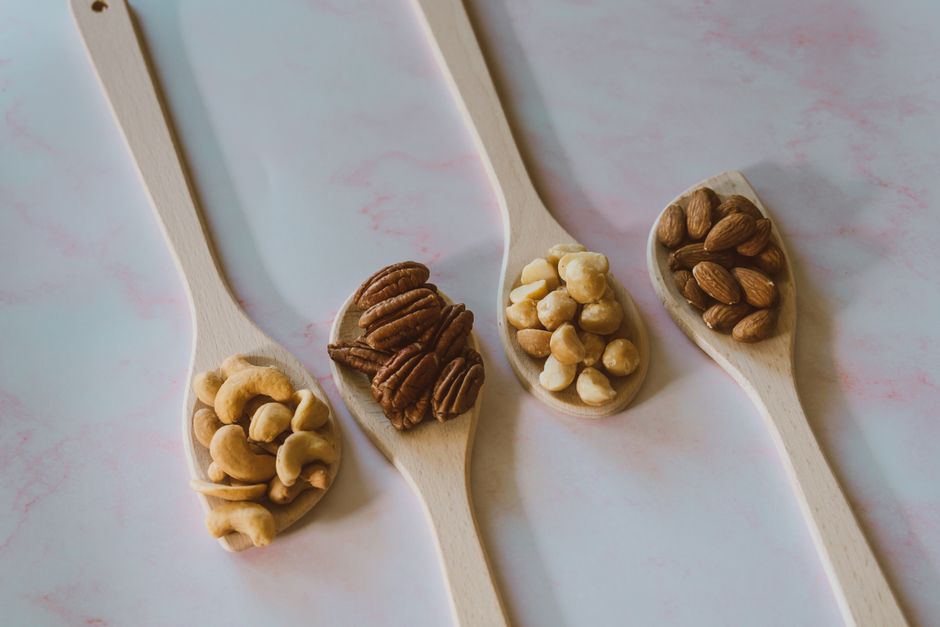
Pecans are one of the lowest-carb nuts you can eat. A one-ounce serving of pecan halves, which is about 19 halves or roughly a quarter cup, contains about 4 grams of total carbohydrates. Because pecans are very high in fiber, only about 1 gram of that is net carbohydrate, which is the amount your body actually digests and absorbs.
What Is the Exact Carb Count in Pecans?
The standard serving size for pecans is one ounce. In that single ounce, you get roughly 4 grams of total carbohydrates.
Fiber makes up about 3 grams of those carbohydrates. Fiber is a type of carbohydrate your body cannot fully break down. It passes through your digestive system mostly intact, which means it does not raise your blood sugar the way other carbs do.
When you subtract the fiber from the total carbohydrates, you are left with about 1 gram of net carbs per ounce. This is why pecans are considered a very low-net-carb food.
Why Pecans Fit So Well Into a Low-Carb Diet
Pecans are roughly 70 percent fat by weight. That high fat content is what keeps the carbohydrate count so low.
The fats in pecans are mostly monounsaturated fats, the same type of fat found in olive oil and avocados. These fats are associated with heart health, though the strongest evidence for this comes from dietary patterns rather than single foods.
Because they are so low in carbs and high in fat, pecans are a common staple in ketogenic and very low-carb meal plans. They provide energy and satiety without significantly affecting daily carbohydrate limits.
Carb Counts for Different Portions of Pecans
Carbohydrate counts scale directly with portion size. Here is the breakdown for common amounts you might actually eat.
| Portion | Total Carbs | Net Carbs |
|---|---|---|
| 1 pecan half (about 1 gram) | 0.3 grams | 0.1 grams |
| 1 ounce (19 halves, about 28 grams) | 4 grams | 1 gram |
| 1 cup of pecan halves (about 99 grams) | 14 grams | 4 grams |
| 1 tablespoon chopped (about 7 grams) | 1 gram | 0.3 grams |
These figures come from USDA food composition data, which is the standard reference for nutrient values in the United States.




How Do Pecans Compare to Other Nuts?
Pecans are on the lower end of the carbohydrate spectrum among nuts, but they are not the absolute lowest.
Macadamia nuts are the lowest, with about 4 grams of total carbs and 2 grams of net carbs per ounce. Brazil nuts are similar to pecans, with about 3 grams of total carbs per ounce.
Almonds contain about 6 grams of total carbs and 3 grams of net carbs per ounce. Walnuts are close to almonds. Cashews are significantly higher, with about 9 grams of net carbs per ounce, and pistachios are also on the higher end.
If your goal is strictly minimizing carbohydrates, pecans, macadamias, and Brazil nuts are your best choices. If you prefer almonds or walnuts, they still fit into most low-carb eating plans in moderate portions.
Are the Carbs in Pecans Healthy Carbs?
All carbohydrates in whole plant foods come packaged with fiber and other nutrients. The carbs in pecans are no exception.
The 3 grams of fiber in an ounce of pecans is meaningful. Fiber supports digestive health and helps you feel full after eating. Most Americans do not eat enough fiber, so any whole-food source is a positive addition.
Pecans also provide several minerals. An ounce delivers about 1.3 milligrams of zinc, which is roughly 12 percent of the daily value. The same serving provides about 1.2 milligrams of manganese, which is about 55 percent of the daily value.
Pecans contain small amounts of plant compounds called polyphenols. Some research suggests these compounds have antioxidant activity, but the clinical significance in humans is not fully established.
What About Pecan Flour and Pecan Butter?
Processed forms of pecans have slightly different carb profiles depending on how they are made.
Pecan flour is simply finely ground pecans. It has the same carbohydrate content as whole pecans by weight. One ounce of pecan flour contains about 4 grams of total carbs and 1 gram of net carbs. It is a popular low-carb alternative to wheat flour in baking, though it behaves differently in recipes because it contains no gluten.
Pecan butter is made by blending pecans into a paste. If it contains only pecans and no added sugar, the carb count matches whole pecans. Check the ingredient label carefully because many commercial nut butters add sugar, honey, or other sweeteners that raise the carbohydrate content significantly.
Honey-roasted or candied pecans are a different story. These products often contain substantial added sugar. A single ounce of candied pecans can contain 15 grams or more of total carbohydrates, most of it from added sugar. Always read the nutrition label rather than assuming all pecan products are low in carbs.
Can You Eat Pecans If You Have Diabetes?
Pecans are generally a good choice for people managing blood sugar levels. The combination of very low net carbs, high fat, and moderate protein means they have a minimal effect on blood glucose.
Nuts have been studied in the context of type 2 diabetes. Some research suggests that regular nut consumption is associated with better blood sugar control and a lower risk of developing type 2 diabetes. The evidence is supportive but not definitive, and it applies to nuts as a category rather than pecans specifically.
Portion control still matters. Pecans are calorie-dense, with about 196 calories per ounce. Eating large quantities can contribute to weight gain, which is a risk factor for worsening blood sugar control. A small handful is a reasonable serving.
Does Roasting Change the Carb Content of Pecans?
Roasting does not change the carbohydrate content of pecans. Heat does not create or destroy carbohydrates in any meaningful way.
Dry-roasted pecans have the same carb count as raw pecans. Oil-roasted pecans also have the same carb count, though they may have slightly more calories because some of the cooking oil is absorbed.
What changes the carb count is any coating. Pecans roasted with sugar, honey, or flavored seasonings can have dramatically higher carbohydrate levels. Plain roasted pecans, whether raw or roasted, remain a low-carb food.
How Many Pecans Can You Eat on a Low-Carb Diet?
The answer depends on your daily carbohydrate target. Common low-carb diets range from 20 grams per day for strict ketogenic diets to 100 grams per day for more moderate low-carb approaches.
On a strict 20-gram ketogenic diet, you could eat several ounces of pecans and stay within your limits. Two ounces would provide about 2 grams of net carbs. On a more moderate plan, pecans can be eaten more freely.
Pecans are calorie-dense, so practical limits are often set by calories rather than carbohydrates. One ounce is a reasonable portion. Two ounces is roughly half a cup and provides about 400 calories.
Are There Any Risks to Eating Pecans?
Pecans are safe for most people. The main concern is tree nut allergy, which can be severe. If you have a known allergy to tree nuts, you should avoid pecans entirely.
Because pecans are high in calories, eating them in very large amounts can lead to unintended weight gain. This is not a reason to avoid them, but it is a reason to be mindful of portion size.
Some people experience digestive discomfort after eating a large quantity of nuts at once. The high fat and fiber content can cause bloating or gas in sensitive individuals. Starting with a small portion is a sensible approach.
Frequently Asked Questions
How many carbs are in a single pecan?
One pecan half contains about 0.3 grams of total carbohydrates. That breaks down to roughly 0.1 grams of net carbs after subtracting fiber.
Are pecans keto-friendly?
Yes, pecans are one of the most keto-friendly nuts available. A one-ounce serving has only about 1 gram of net carbohydrates.
Do roasted pecans have more carbs than raw pecans?
Plain roasted pecans have the same carbohydrate content as raw pecans. Only pecans coated with sugar or other sweeteners have higher carb counts.
Can pecans raise blood sugar?
Pecans have a minimal effect on blood sugar because they contain very few digestible carbohydrates. The fiber in pecans also slows digestion, which helps prevent blood sugar spikes.
