
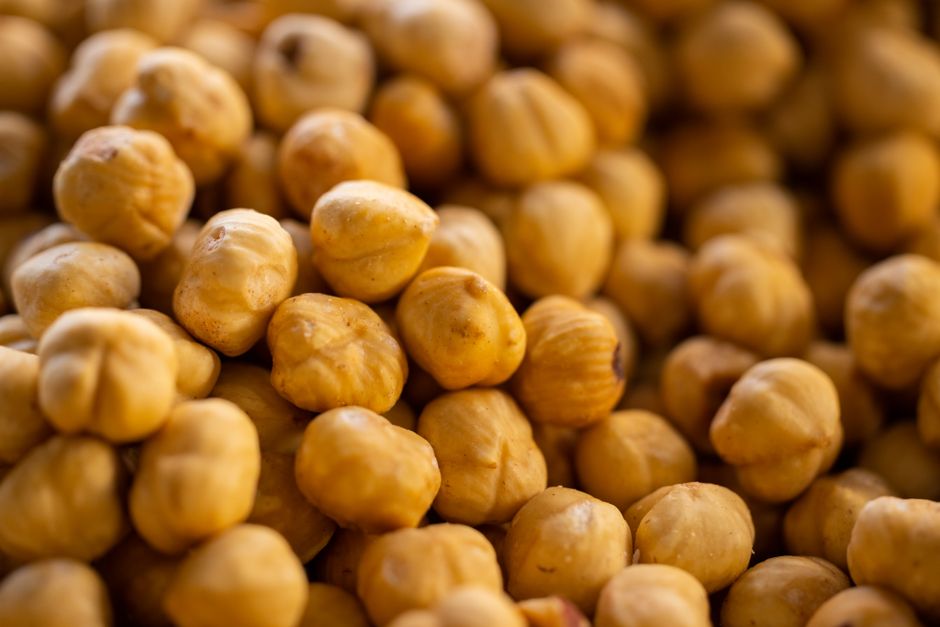
One cup of cooked garbanzo beans, also called chickpeas, contains about 45 grams of total carbohydrates. About 12 of those grams are fiber, which your body does not digest, leaving roughly 33 grams of net carbohydrates. This makes garbanzo beans a moderate-carb food that fits into many balanced eating patterns, though people on strict low-carb diets may need to watch their portion size.
How Many Carbs In Garbanzo Beans Compared to Other Beans?
Garbanzo beans sit in the middle of the bean family when it comes to carbohydrate content. They are not the lowest-carb bean, but they are also far from the highest.
For reference, one cup of cooked black beans has about 41 grams of total carbs and 15 grams of fiber. Kidney beans have roughly 40 grams of total carbs with 13 grams of fiber. Lentils come in lower at about 40 grams total with 16 grams of fiber. At the higher end, baked beans (canned with sauce) can push past 50 grams of total carbs per cup.
What sets garbanzo beans apart is their fiber-to-carb ratio. The 12 grams of fiber per cup is significant. The CDC reports that most Americans only get about 10 to 15 grams of total fiber per day. One serving of garbanzo beans covers nearly half of that.
| Bean Type (1 cup cooked) | Total Carbs | Fiber | Net Carbs |
|---|---|---|---|
| Garbanzo (chickpeas) | 45g | 12g | 33g |
| Black beans | 41g | 15g | 26g |
| Kidney beans | 40g | 13g | 27g |
| Lentils | 40g | 16g | 24g |
| Pinto beans | 45g | 15g | 30g |
Does the Carb Count Change Between Canned and Dried Garbanzo Beans?
Yes, but only because of water content and added ingredients. Dried garbanzo beans that you cook yourself have the same carbohydrate profile as plain canned beans when both are measured after cooking. The difference is in what gets added.
Canned garbanzo beans often contain added salt and sometimes sugar. A standard can of garbanzo beans has about 300 to 400 milligrams of sodium per half-cup serving. Some brands add sugar or other sweeteners to the liquid, which increases the carb count slightly. Always check the ingredient list. If sugar appears, those carbs add up.
Dried beans give you full control. You soak them overnight, then cook them plain. No sodium. No added sugar. The carb count stays exactly where it should be. The tradeoff is time. Dried beans take planning. Canned beans take three minutes to open and rinse.
Rinsing canned garbanzo beans under cold water for 30 seconds reduces sodium by about 40 percent. It does not change the carb count. This is a simple step that many people skip.
What Kind of Carbs Are in Garbanzo Beans?
This is where the conversation gets more interesting. Not all carbs behave the same way in your body. Garbanzo beans contain mostly complex carbohydrates, which are long chains of sugar molecules that digest slowly. This is different from simple carbs found in white bread or sugary drinks that hit your bloodstream fast.
The fiber in garbanzo beans is a mix of soluble and insoluble types. Soluble fiber dissolves in water and forms a gel-like substance in your gut. Research published in the Journal of Nutrition found that soluble fiber helps slow down carbohydrate absorption, which blunts blood sugar spikes after meals. Insoluble fiber adds bulk to stool and keeps things moving through your digestive system.
Garbanzo beans also contain resistant starch. This is a type of starch that resists digestion in the small intestine and ferments in the large intestine. Some studies suggest that resistant starch feeds beneficial gut bacteria and may improve insulin sensitivity over time. The amount of resistant starch decreases when beans are heated and increases when they cool down after cooking.
This is a non-obvious detail that matters. If you cook garbanzo beans and let them cool to room temperature before eating them in a salad, the resistant starch content goes up. That means fewer net carbs reach your bloodstream than if you ate them hot.





How Many Carbs In Garbanzo Beans Matter for Blood Sugar Control?
For people with diabetes or prediabetes, the 33 grams of net carbs per cup is a significant amount. The American Diabetes Association includes beans in its list of recommended foods but advises portion control. A half-cup serving brings net carbs down to about 16 grams, which fits more easily into a standard meal plan.
The glycemic index of garbanzo beans is low, around 28 to 33 depending on preparation. For comparison, white rice has a glycemic index around 73. Low glycemic index foods cause a slower, smaller rise in blood sugar. This makes garbanzo beans a better carbohydrate choice than many other starches.
One study published in the Archives of Internal Medicine followed over 64,000 women and found that those who ate more legumes, including chickpeas, had a lower risk of developing type 2 diabetes. The fiber and protein content likely play a role. Protein slows gastric emptying, which further blunts blood sugar response.
If you are counting carbs for blood sugar management, measure your portion. Eyeballing a cup of garbanzo beans is easy to underestimate. Use a measuring cup at least a few times until you know what a proper serving looks like.
Can You Eat Garbanzo Beans on a Low-Carb or Keto Diet?
The short answer is yes, but in very small amounts. A standard ketogenic diet limits carbs to 20 to 50 grams per day. One cup of garbanzo beans contains 33 grams of net carbs. That leaves almost no room for other carbohydrates for the rest of the day.
A quarter-cup serving of garbanzo beans provides about 8 grams of net carbs. This is a more realistic portion for someone on a low-carb plan. You can add them to a salad or use them as a garnish without blowing your carb budget.
Some people on keto avoid garbanzo beans entirely because even small portions add up quickly. Others include them strategically on days when they are not eating many other carbs. There is no right or wrong choice here. It depends on your personal carb tolerance and goals.
One thing to watch out for is hummus. Hummus is made from garbanzo beans, but commercial brands often add oil, tahini, and sometimes sugar. Two tablespoons of hummus have about 4 to 6 grams of net carbs. That is not a problem for most people, but if you eat half the container in one sitting, the carbs add up fast.
What Are Common Misconceptions About Carbs in Garbanzo Beans?
The biggest misconception is that all carbs in garbanzo beans count the same way. They do not. As discussed earlier, fiber and resistant starch are not fully digested. The standard nutrition label lists total carbohydrates, which includes everything. Net carbs subtract fiber and sometimes sugar alcohols. For garbanzo beans, net carbs is a more useful number.
Another common myth is that canned garbanzo beans are significantly higher in carbs than dried. The carb content per gram of bean is nearly identical after cooking. The difference is in sodium and additives, not in carbohydrate content.
Some people also believe that garbanzo beans are too high in carbs to be healthy. This ignores the nutrient density. One cup provides 15 grams of protein, 4 grams of fat, and significant amounts of iron, folate, magnesium, and zinc. The carbs come packaged with fiber, protein, and micronutrients. This is very different from eating 45 grams of carbs from white bread or soda.
There is also a persistent idea that roasting or baking garbanzo beans changes their carb count. It does not. Cooking methods can alter the glycemic response slightly, but the total carbohydrate content remains the same whether you eat them boiled, roasted, or mashed into hummus.
- Net carbs matter more than total carbs for most people
- Canned and dried beans have nearly identical carb counts
- Nutrient density makes garbanzo bean carbs different from refined carb sources
- Cooking method does not change total carb content
Frequently Asked Questions
How many carbs are in a half cup of cooked garbanzo beans?
A half cup of cooked garbanzo beans contains about 22 grams of total carbs and 6 grams of fiber, leaving roughly 16 grams of net carbs.
Are garbanzo beans keto-friendly?
Garbanzo beans are not keto-friendly in standard portions because one cup provides 33 grams of net carbs, which exceeds the daily limit for most keto diets.
Do canned garbanzo beans have more carbs than dried?
Canned and dried garbanzo beans have nearly identical carb counts per gram after cooking, though some canned brands add sugar that increases total carbs slightly.
How many carbs are in hummus made from garbanzo beans?
Two tablespoons of traditional hummus contain about 4 to 6 grams of net carbs depending on the recipe and added ingredients.
