
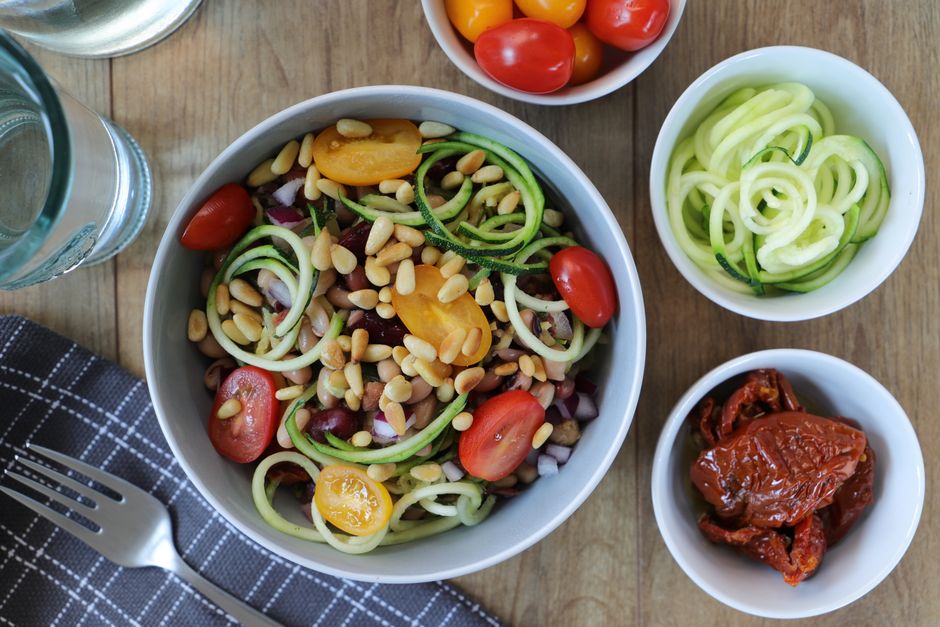
A medium tomato has about 4 to 5 grams of carbohydrates. Most of those carbs come from natural sugars and fiber. If you are counting carbs, a single tomato is not likely to disrupt your daily total, but portion size still matters when you eat several at once.
How Many Carbs A Tomato? Facts by Size
The exact carb count depends on the size of the tomato. The USDA nutrient database provides standard values that most nutrition apps use.
- Cherry tomato (about 17 grams): roughly 1 gram of carbs
- Small tomato (about 91 grams): roughly 3 grams of carbs
- Medium tomato (about 123 grams): roughly 4 to 5 grams of carbs
- Large tomato (about 182 grams): roughly 6 to 7 grams of carbs
These figures include fiber and natural sugars. The fiber content is about 1.5 grams in a medium tomato. The rest is mostly glucose and fructose, which are naturally occurring sugars.
For most people, the carb count in a tomato is low. Even two large tomatoes would still be under 15 grams of carbs. That is a meaningful amount if you follow a strict keto diet, but modest on a standard diet.
How Tomatoes Compare to Other Vegetables
Tomatoes sit on the lower end of the carb spectrum for fruits and vegetables. They contain far fewer carbs than starchy vegetables like potatoes or corn.
A medium potato has about 37 grams of carbs. A medium tomato has about 4 to 5 grams. That is a substantial difference. Tomatoes are closer to leafy greens and cucumbers in carb density.
Some people mistakenly group tomatoes with high-sugar fruits. A medium apple has about 25 grams of carbs. A medium tomato has about one-fifth of that amount. Tomatoes are botanically fruits, but nutritionally they behave more like low-carb vegetables.
This distinction matters for people managing blood sugar or following low-carb meal plans. Tomatoes can usually be included without much concern, while starchy vegetables often require more careful portioning.
How Cooking Changes the Carb Content
Cooking tomatoes does not change their carbohydrate content in a meaningful way. The carbs are already present in the raw fruit. Heat does not create or destroy carbohydrates.
What changes is the form. When you cook tomatoes down into a sauce, water evaporates and the sauce becomes more concentrated. A cup of raw tomato has fewer carbs than a cup of thick tomato sauce, because the sauce contains the concentrated solids of several tomatoes.
This is a common point of confusion. People assume cooked tomatoes have more carbs because they taste sweeter. The sweetness comes from concentration, not from new sugar being created. The same amount of tomato by weight has roughly the same carbs whether raw or cooked.
Watch out for added ingredients. Canned tomato sauces and pasta sauces often contain added sugar, which increases the carb count significantly. A plain tomato has 4 to 5 grams of carbs. A half-cup of sweetened pasta sauce can have 10 to 12 grams or more. Check the label if you are counting carbs.





Do Tomatoes Affect Blood Sugar?
Tomatoes have a low glycemic index. The glycemic index measures how quickly a food raises blood sugar. Tomatoes score low because their carb content is modest and their fiber slows digestion.
Research consistently shows that non-starchy vegetables like tomatoes have minimal impact on blood sugar when eaten in normal portions. This makes them a reasonable choice for people with diabetes or prediabetes.
That does not mean tomatoes have no effect. Any carbohydrate raises blood sugar to some degree. But the effect from a tomato is small compared to bread, rice, or sugary drinks.
Tomato juice is a different story. A cup of tomato juice has about 10 grams of carbs, and some commercial juices add sodium or sugar. Whole tomatoes are the better choice if you are watching carbs or blood sugar, because the fiber in the whole fruit slows sugar absorption.
Nutritional Benefits Beyond Carbs
Tomatoes provide more than just a low carb count. They are a solid source of vitamin C, potassium, and vitamin K. A medium tomato provides about 20 percent of the daily value for vitamin C.
Tomatoes are also rich in lycopene, a compound that gives them their red color. Lycopene is an antioxidant. Some research suggests that diets high in lycopene are associated with lower risk of certain chronic diseases, particularly prostate cancer and heart disease.
One important detail: your body absorbs lycopene better from cooked tomatoes than raw ones. The heat breaks down the plant cell walls and makes the lycopene more available. Tomato paste and cooked sauces are actually better sources of lycopene than fresh tomatoes.
This is a case where the cooked version has a nutritional advantage over the raw version, even though the carb content is essentially the same per weight.
How to Fit Tomatoes Into a Low-Carb Diet
If you follow a strict low-carb or keto diet, tomatoes can fit within your daily carb limit. The key is portion awareness.
A medium tomato uses roughly 4 to 5 grams of your carb budget. On a standard keto diet that allows 20 to 50 grams of net carbs per day, one or two tomatoes are usually fine. Eating a full bowl of cherry tomatoes could take up a larger share of your budget.
Here are some practical ways to include tomatoes without blowing your carb count:
- Use tomato slices as a topping on salads or burgers rather than eating whole tomatoes as a side dish
- Choose whole tomatoes over tomato juice or sweetened sauces
- Count cherry tomatoes individually if you tend to snack on them
- Use sun-dried tomatoes sparingly, since they are concentrated and higher in carbs per piece
Sun-dried tomatoes deserve special mention. Because they are dehydrated, they pack more carbs into a smaller volume. An ounce of sun-dried tomatoes has about 23 grams of carbs. That is roughly five times the carb density of fresh tomatoes.
Common Myths About Tomato Carbs
Several myths circulate about tomatoes and carbohydrates. Here is what the evidence actually shows.
Myth: Tomatoes are high in sugar. A medium tomato has about 3 grams of natural sugar. That is less than a quarter of the sugar in a medium apple. Tomatoes are not a high-sugar food.
Myth: Cooking tomatoes adds carbs. Cooking concentrates carbs by removing water, but it does not add them. A cup of raw tomato and a cup of cooked tomato from the same starting amount have similar total carbs.
Myth: Tomato products are all low-carb. Ketchup, barbecue sauce, and sweetened pasta sauces often contain added sugar. A tablespoon of ketchup has about 4 grams of carbs, most of it from added sugar. Read labels on processed tomato products.
Myth: Green tomatoes have fewer carbs than red tomatoes. The difference is small. Green tomatoes are slightly lower in sugar because they are less ripe, but the difference is not enough to matter for most people. Both are low-carb foods.
Frequently Asked Questions
How many carbs are in one medium tomato?
A medium tomato has about 4 to 5 grams of carbohydrates. Most of that is natural sugar, with about 1.5 grams of fiber.
Are tomatoes allowed on a keto diet?
Yes, in normal portions. One medium tomato uses about 4 to 5 grams of carbs, which fits into most keto budgets of 20 to 50 grams per day.
Do cooked tomatoes have more carbs than raw tomatoes?
No. Cooking does not add carbs. It removes water and concentrates the existing carbs, so a cup of sauce has more carbs than a cup of raw tomato simply because it contains more tomato solids.
Are tomatoes high in sugar?
No. A medium tomato has about 3 grams of natural sugar. That is far less than most fruits and similar to many other non-starchy vegetables.
