
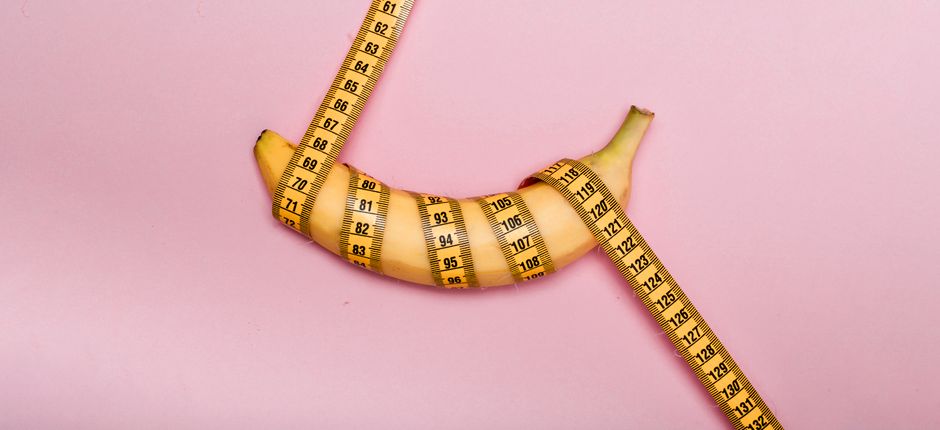
A medium banana has about 105 calories. That number is for a banana that is 7 to 8 inches long and weighs about 118 grams. Smaller bananas have fewer calories, and larger ones have more. The exact count depends on size, not variety.
How Many Calories Is In A Banana?
A medium banana contains roughly 105 calories. This is the standard figure used by the U.S. Department of Agriculture for a medium-sized fruit. The size matters more than the type of banana.
Here is how the calories break down by size:
- Extra small (under 6 inches): about 72 calories
- Small (6 to 7 inches): about 90 calories
- Medium (7 to 8 inches): about 105 calories
- Large (8 to 9 inches): about 121 calories
- Extra large (over 9 inches): about 135 calories
These figures come from standard USDA food composition data. Most bananas sold in U.S. grocery stores fall into the medium or large category.
What Makes Up The Calories In A Banana?
Bananas are almost entirely carbohydrate and water. A medium banana contains about 27 grams of carbohydrates, 3 grams of fiber, and 14 grams of naturally occurring sugar. It has less than 1 gram of protein and less than half a gram of fat.
The carbohydrates are what supply the calories. Fiber passes through your body without being fully digested, so it contributes fewer calories than other carbohydrates. The sugars — glucose, fructose, and sucrose — are the main energy source.
Bananas contain no cholesterol and very little sodium. They are naturally free of added sugars, which is different from many processed snacks that use banana flavoring.
How Do Calories Change As A Banana Ripens?
The total calorie count stays roughly the same as a banana ripens. Ripening changes the form of the carbohydrates, not the total amount.
An unripe green banana has more resistant starch. Resistant starch behaves like fiber — your body does not absorb it fully. As the banana ripens, that resistant starch converts into simple sugars. The sugar content increases, and the resistant starch decreases.
Some research suggests that greener bananas deliver slightly fewer usable calories because resistant starch is not completely absorbed. The difference is small. For practical purposes, a ripe banana and a green banana of the same size have nearly identical calorie counts — around 105 for a medium fruit.





Do Different Banana Varieties Have Different Calories?
Variety makes almost no difference in calories. The Cavendish banana, which is the standard grocery store banana in the United States, has the same calorie profile as most other common varieties.
Plantains are the exception. Plantains are a type of banana, but they are starchier and larger. A cup of cooked plantains has about 180 calories, compared to roughly 135 calories in a cup of raw banana slices. Plantains are also eaten cooked rather than raw, which changes their water content and calorie density.
Specialty varieties like red bananas or apple bananas have slightly different sugar profiles, but their calorie counts fall in the same range as Cavendish bananas of equal weight.
How Many Calories Are In A Banana Compared To Other Fruits?
Bananas are on the higher end of the calorie range for fresh fruit. This is because they contain more carbohydrate per gram than many other fruits.
| Fruit (medium serving) | Approximate Calories |
|---|---|
| Banana (7-8 inches) | 105 |
| Apple (medium) | 95 |
| Orange (medium) | 62 |
| Peach (medium) | 59 |
| Strawberries (1 cup whole) | 49 |
| Watermelon (1 cup diced) | 46 |
Bananas are still a low-calorie food in absolute terms. The difference matters mainly for people tracking calories very precisely. For most people, the difference between a banana and an apple is not significant enough to change food choices.
Do Banana Calories Count Differently Than Other Carbs?
No. The calories in a banana are metabolized the same way as calories from other carbohydrate sources. However, the package matters for how full you feel.
Bananas contain fiber and water, which slow digestion and increase satiety. A medium banana provides about 3 grams of fiber, which is roughly 10 percent of the daily recommended intake for adults. This is why a banana tends to be more filling than a serving of fruit juice with the same calorie count.
One common question is whether bananas spike blood sugar. Bananas have a glycemic index in the moderate range — around 51 for a ripe banana. This is lower than white bread or sugary drinks, but higher than many other whole fruits. People with diabetes can eat bananas, but portion size matters. A smaller banana or a greener banana will have a gentler effect on blood sugar.
How Should You Count Banana Calories For Weight Loss?
If you are tracking calories for weight loss, weigh the banana rather than guessing by size. A gram of banana has about 0.89 calories. Weighing gives you a precise number every time.
Without a scale, use the size guidelines above. Be aware that “medium” in a recipe or nutrition app may not match the banana in your hand. When in doubt, round up slightly.
Bananas are not a food to avoid for weight loss. Their fiber and water content help with fullness. The main issue is portion control — it is easy to eat two or three large bananas in a day without thinking about it. That adds up to over 300 calories.
One note: banana chips are not the same as fresh bananas. Banana chips are fried and often coated in sugar or oil. A half-cup serving of banana chips can contain over 200 calories, compared to about 67 calories in half a cup of fresh banana slices. If you are counting calories, do not substitute banana chips for fresh bananas.
Do Frozen Or Dried Bananas Have Different Calorie Counts?
Frozen bananas have the same calories as fresh bananas because freezing does not change the macronutrient content. The only difference is water content if the fruit has been thawed and drained.
Dried banana products are different. Dried banana slices have had most of their water removed, which concentrates the calories. A cup of dried banana slices can have over 300 calories. Dehydrated banana flour is even more calorie-dense per gram.
Freeze-dried banana snacks are a middle ground. They still contain more calories per gram than fresh bananas because water has been removed, but they do not have added oils or sugars. Always check the label for added ingredients.
Frequently Asked Questions
How many calories are in a banana without the peel?
A medium banana without the peel has about 105 calories. The peel itself is edible but is not typically counted in calorie estimates.
How many calories are in a small banana?
A small banana that is 6 to 7 inches long has about 90 calories. An extra small banana under 6 inches has about 72 calories.
Is a banana a high-calorie fruit?
Bananas are higher in calories than many other fresh fruits, but they are still a low-calorie food overall. A medium banana has about 105 calories, which is similar to an apple and less than most processed snacks.
How many calories are in a large banana?
A large banana that is 8 to 9 inches long has about 121 calories. An extra large banana over 9 inches has about 135 calories.
