
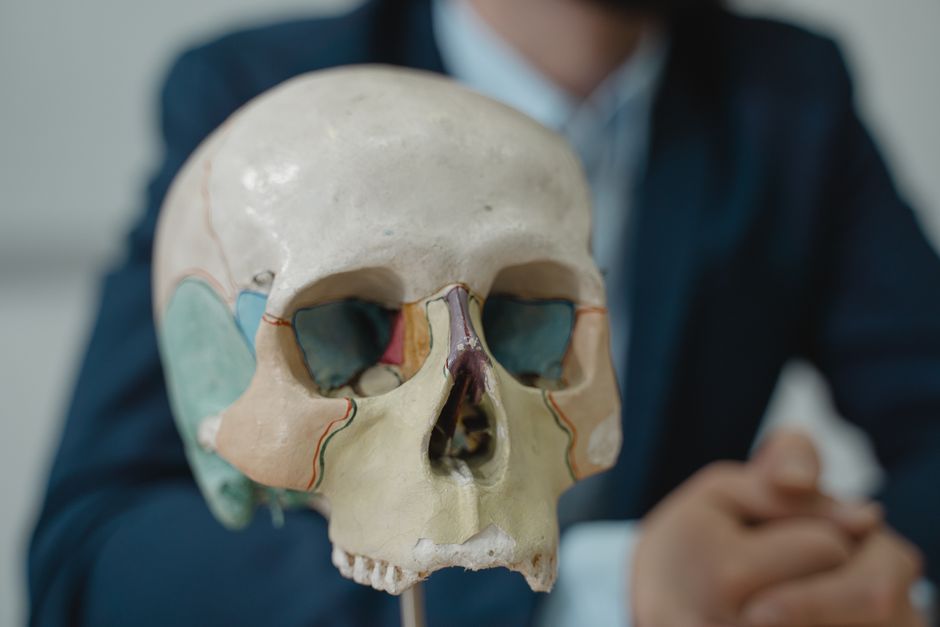
A newborn baby has about 300 bones at birth. This number surprises most people because the average adult skeleton has only 206 bones. The difference comes down to how bones form and fuse during childhood. Many of the bones in a newborn are not fully solid yet. They are made of softer material that gradually hardens and joins together as the child grows.
Why Do Babies Have More Bones Than Adults?
The extra bones in a newborn are not extra in the way you might think. They are separate pieces of bone that will eventually fuse into single, larger bones. This is especially true in the skull and the spine.
The skull of a newborn is not one solid piece of bone. It is made of several separate plates. These plates are connected by soft spots called fontanels. This design serves two critical purposes. First, it allows the head to compress slightly during vaginal birth, making delivery easier. Second, it permits rapid brain growth during the first year of life. As the brain expands, the skull plates grow along their edges. Over time, these plates meet and fuse together into the solid skull of an adult.
The spine tells a similar story. A baby is born with 33 separate vertebrae. By adulthood, several of these vertebrae fuse. The lowest five vertebrae fuse to form the sacrum. The tailbone, or coccyx, is formed from four fused vertebrae. This fusion reduces the total count of spinal bones from 33 down to 26.
How Many Bones Are in a Baby’s Body Compared to an Adult?
The difference between 300 and 206 is roughly 94 bones. That is a significant number. But the total count at birth is not exactly 300 for every baby. Some sources cite 300 as a round figure, while others report counts closer to 270 or 275. The exact number can vary slightly from one newborn to another.
What matters is the process. Bones fuse at different rates throughout childhood and adolescence. The process is not complete until the late teens or early twenties. The last bones to fuse are often the collarbone and the top of the hip bone. This is why the adult count of 206 is considered standard only after skeletal maturity is reached.
Here is a simple breakdown of where the numbers change:
- Skull: Newborns have several separate plates. Adults have fused plates forming one solid structure.
- Spine: Newborns have 33 vertebrae. Adults have 26 after the sacrum and coccyx fuse.
- Hands and feet: These contain many small bones that remain separate throughout life. They do not fuse.
What Are Baby Bones Made Of?
A newborn’s bones are not simply smaller versions of adult bones. They are chemically different. Infant bones contain less mineral content and more collagen. Collagen is a flexible protein. This makes baby bones softer and more pliable than adult bones.
This flexibility is protective. During birth, the skeleton must withstand significant pressure. Soft bones bend rather than break. This is also why a condition called rickets, which causes soft bones, is monitored closely in infants. The balance of flexibility and strength changes as the child grows. Minerals like calcium and phosphorus are deposited into the bone matrix over time. This process is called ossification.
By the time a child reaches adolescence, bones have become much harder. They are still growing, but they are closer in composition to adult bone. The shift from soft, flexible bone to hard, mineralized bone is a gradual process that spans the entire childhood years.





When Do Baby Bones Fuse Into Adult Bones?
Bone fusion happens on a timeline that follows a predictable pattern. The fontanels of the skull close first. The posterior fontanel at the back of the head usually closes by the second or third month of life. The anterior fontanel at the top of the head closes later, typically between 9 and 18 months of age.
The bones of the skull themselves continue to fuse well past infancy. The sutures, which are the joints between skull plates, begin to close in the late teens. Complete fusion of all skull sutures may not finish until the third or fourth decade of life.
The vertebrae of the spine fuse even later. The sacrum begins fusing in adolescence and is usually complete by the mid-20s. The coccyx can take even longer. Some people do not experience complete fusion of the tailbone until their 30s.
Growth plates, which are areas of growing bone near the ends of long bones, are the last to close. These plates allow bones to lengthen during childhood. They close in a predictable sequence, usually completing around age 18 to 20 for most people. This is why height generally stops increasing after this point.
Does the Number of Bones Ever Change After Adulthood?
Once skeletal maturity is reached, the number of bones does not increase. The standard adult count of 206 is stable. However, this count is an average. Some adults have more bones, and some have fewer.
Variations can occur. Some people are born with an extra rib, called a cervical rib, which is present in about 1 in 200 to 1 in 500 people. Others have variations in the bones of the feet or hands. Sesamoid bones, which are small bones embedded in tendons, vary in number from person to person. The kneecap is the largest sesamoid bone, but smaller ones can develop in the hands and feet.
Conversely, some adults have fewer than 206 bones. This can happen if bones fuse abnormally or if a surgical procedure removes a bone. It can also happen with age-related changes in the spine.
Why Does the Difference Between Baby and Adult Bone Count Matter?
Understanding the difference helps explain several aspects of child development. It clarifies why infants can survive the physical stress of birth. It explains why a baby’s head shape can temporarily look uneven after delivery. The soft, unfused skull plates allow for this temporary molding.
This knowledge also matters for medical imaging. When a doctor reads an X-ray of an infant, they expect to see gaps between bones that would appear fused in an adult. A radiologist must know the normal appearance of a growing skeleton to avoid misinterpreting healthy growth plates or open sutures as fractures or abnormalities.
The distinction between baby bones and adult bones is also relevant for injury assessment. A child’s bone can bend and partially break, a condition called a greenstick fracture, because the bone is still soft. This type of fracture is uncommon in adults. Recognizing these differences helps clinicians provide appropriate care across age groups.
Frequently Asked Questions
How many bones does a newborn baby have?
A newborn baby has about 300 bones. The exact number can vary slightly from one infant to another.
Why do babies have more bones than adults?
Babies have more bones because many of their bones are separate pieces that will fuse together as they grow. Adults have 206 bones because this fusion is complete.
When do baby bones fuse into adult bones?
Bone fusion begins in infancy and continues into the mid-20s. The skull plates and vertebrae fuse gradually, while growth plates in long bones close around age 18 to 20.
Are baby bones weaker than adult bones?
Baby bones are softer and more flexible than adult bones because they contain less mineral content and more collagen. This flexibility helps protect them during birth but means they can bend differently than adult bones.
