
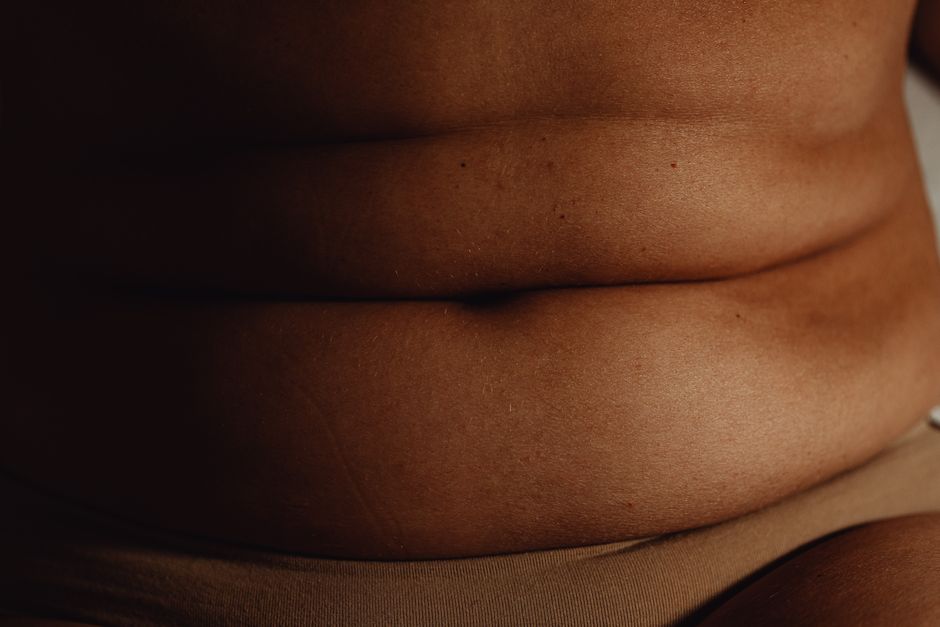
The answer is your skin. It is the largest organ in the human body by both weight and surface area. For an average adult, the skin covers about 20 square feet and weighs roughly 8 to 20 pounds. It is not just a wrapping; it is a complex, living organ system that protects you from the outside world every second of every day.
How Big and Heavy Is Human Skin?
The skin is often overlooked because we see it every day. But when you look at the numbers, it is remarkable. The skin makes up about 15% of your total body weight. That is heavier than your liver, your brain, or your lungs.
Your skin is also constantly renewing itself. You shed millions of dead skin cells every day. Over the course of a month, you will have grown an entirely new outer layer of skin. This continuous turnover is a key part of how the skin repairs itself and maintains its barrier function.
What Are the Three Layers of the Skin?
To understand why skin is so vital, you need to look at its structure. The skin is composed of three distinct layers. Each one has a specific job.
The Epidermis is the top layer you can see and touch. It is the waterproof barrier that keeps pathogens out and moisture in. This layer contains no blood vessels. The outermost part of the epidermis is made of dead cells filled with a protein called keratin. This is what gives skin its toughness.
The Dermis sits below the epidermis. This is the thickest layer. It contains blood vessels, hair follicles, and nerve endings. It is also home to the collagen and elastin fibers that give skin its strength and elasticity. When you get a cut that bleeds, the damage is in the dermis.
The Hypodermis is the deepest layer. It is also called the subcutaneous layer. This layer is made up of fat and connective tissue. It insulates your body and cushions your internal organs against impact.
What Does the Skin Actually Do for the Body?
The skin does far more than just hold your insides in. It is a multi-functional organ that plays a critical role in survival.
Your skin is your first line of defense. It physically blocks bacteria, viruses, and chemicals from entering your body. It also produces antimicrobial peptides that kill harmful microbes on contact.
The skin is central to temperature regulation. When you are hot, blood vessels in the dermis widen to release heat, and you sweat to cool down. When you are cold, those vessels narrow to keep warm blood near your vital organs.
Your skin is also a major sensory organ. It is packed with nerve endings that detect touch, pressure, pain, and temperature. Without these signals, you would not know if you were being burned or injured.
Additionally, the skin plays a role in vitamin D production. When exposed to sunlight, the skin synthesizes vitamin D, which is essential for bone health and immune function.





How Does the Skin Compare to Other Large Organs?
People often guess the liver, the lungs, or the brain when asked about the largest organ. These are all large, but none of them match the skin.
The liver is the largest internal organ and the largest solid organ. It weighs about 3 pounds. The brain weighs about the same. The lungs are also substantial, but their weight is spread out over a large area of spongy tissue.
The skin is the only organ you can see from the outside. It is also the only organ that is directly exposed to the environment. This exposure means it is constantly under attack from UV radiation, pollution, and physical trauma.
What Is the Largest Organ Inside the Body?
If you are specifically asking about internal organs, the answer changes. The largest internal organ is the liver. It is also the largest solid organ in the body.
The liver weighs about 3 pounds in an average adult. It performs over 500 vital functions, including filtering toxins from the blood, producing bile for digestion, and storing energy. If you are comparing internal organs only, the liver takes the top spot.
The largest organ by surface area inside the body is the small intestine. It is a hollow organ, not a solid one. Its inner lining is folded into tiny projections called villi, which increase its surface area to about 250 square meters. That is roughly the size of a tennis court. However, when people ask about the largest organ, they are generally asking about a single distinct structure, which is why the skin is the standard answer.
Why Does the Skin Get Called an Organ?
Some people find it strange to call skin an organ. In biology, an organ is a group of tissues that work together to perform a specific function. The skin fits this definition perfectly.
It contains multiple tissue types: epithelial tissue in the epidermis, connective tissue in the dermis, and nervous tissue for sensation. These tissues work together to perform complex jobs like protection, sensation, and temperature control.
The skin is also considered part of the integumentary system. This system includes the skin, hair, nails, and exocrine glands. It is the largest organ system in the body.
How Does Skin Health Change with Age?
As you age, the skin changes visibly and structurally. Collagen production slows down. Elastin fibers lose their spring. The fat layer in the hypodermis thins.
These changes lead to wrinkles, sagging, and dryness. The skin also becomes thinner and more fragile, making it easier to bruise or tear. Blood vessels in the dermis become more fragile as well.
Skin repair also slows with age. A wound that healed in a week during your twenties may take two weeks or longer in your sixties. This is due to a slower cell turnover rate and reduced blood flow to the skin.
While these changes are natural, you can slow them down. Protecting your skin from the sun is the single most effective way to prevent premature aging. UV radiation breaks down collagen and elastin over time. Daily sunscreen use has been shown in research to reduce signs of aging significantly.
What Are the Most Common Signs of Skin Problems?
Because the skin is so large, it can show signs of internal health issues. Changes in color, texture, or moisture can be signals.
Yellowing of the skin, known as jaundice, can indicate liver problems. Persistent itching without a rash can sometimes point to kidney disease or thyroid issues. Dry, flaky patches might be eczema or psoriasis, which are immune-mediated conditions.
You should watch for changes in moles. Use the ABCDE rule to spot potential melanoma. A is for asymmetry, B is for irregular borders, C is for uneven color, D is for a diameter larger than a pencil eraser, and E is for evolving or changing over time.
If you notice a mole that changes, bleeds, or itches, see a dermatologist. Early detection of skin cancer is highly effective. When caught early, the five-year survival rate for melanoma is very high.
Can You Really Grow New Skin?
Yes. Your skin regenerates constantly. The epidermis completely replaces itself about every 28 to 30 days.
This regeneration process is fast in children and slows down with age. It also varies by body part. The skin on your scalp regenerates faster than the skin on your heels.
This rapid turnover is why minor cuts and scrapes heal without leaving permanent damage. The deeper the wound, the longer it takes to heal. Wounds that reach the dermis require the body to lay down new collagen fibers, which can result in scar tissue.
How Can You Keep Your Skin Healthy?
Skin health is tied to overall health. What you eat and drink affects your skin.
Drinking enough water keeps the skin hydrated, though drinking extra water does not erase wrinkles. A diet rich in fruits and vegetables provides antioxidants that help protect skin cells from oxidative stress. Healthy fats, like those in fish and nuts, support the skin’s lipid barrier.
Sleep is also essential. During deep sleep, your body produces growth hormone, which helps repair skin cells. Chronic sleep deprivation is linked to duller skin and more visible signs of aging.
Smoking is one of the worst things you can do for your skin. It narrows blood vessels in the dermis, reducing blood flow. This deprives the skin of oxygen and nutrients, leading to a sallow complexion and premature wrinkles.
Frequently Asked Questions
What is the largest organ in the human body?
The skin is the largest organ in the human body by weight and surface area. It covers about 20 square feet and accounts for roughly 15% of total body weight.
What is the largest internal organ?
The liver is the largest internal and solid organ. It weighs about 3 pounds and performs over 500 essential functions.
Is the skin considered an organ?
Yes, the skin is a true organ because it contains multiple tissue types that work together for specific functions like protection and temperature regulation.
How often does your skin replace itself?
The outer layer of skin, the epidermis, replaces itself about every 28 to 30 days. This process slows down as you age.
