
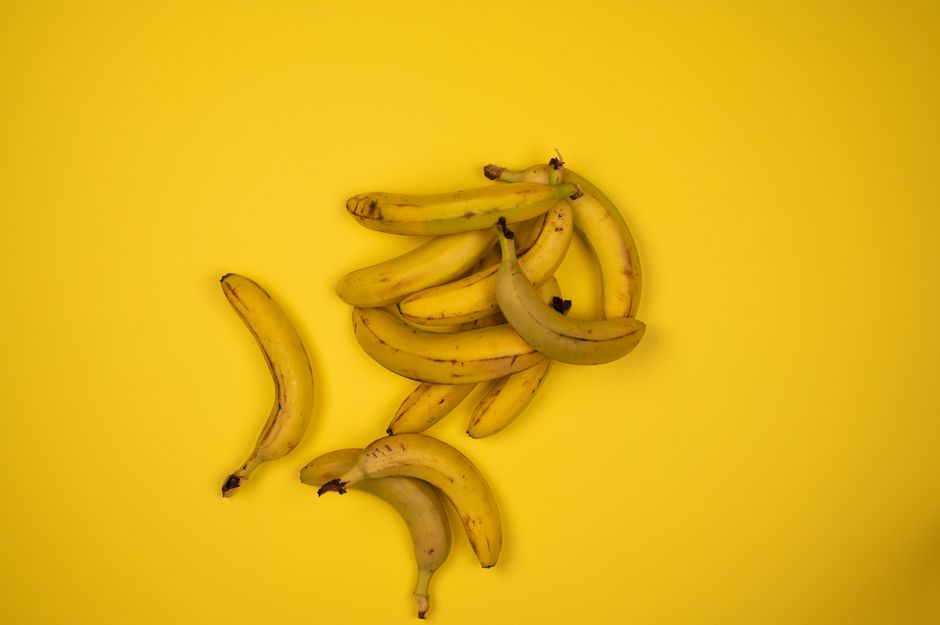
Bananas are one of the most popular fruits in the United States, and they are often at the center of diet debates. If you are trying to lose weight, you can generally eat one to two bananas per day as part of a balanced diet. The exact number depends on your total daily calorie needs, your activity level, and what else you are eating. A medium banana has about 105 calories, so for most people, one or two fit easily into a weight loss plan without derailing progress.
How Many Bananas Can I Eat A Day For Weight Loss?
For most adults aiming for weight loss, one to two bananas per day is a safe and reasonable amount. This is not a strict medical limit, but rather a practical guideline based on calorie density and nutritional needs. Since a medium banana provides roughly 105 calories, eating two adds about 210 calories to your day, which is manageable within a standard 1,500 to 1,800 calorie weight loss diet.
Your specific number depends on your personal calorie target. If you are a smaller person eating 1,200 calories a day, one banana might be plenty. If you are taller or more active and eating 2,000 calories, two bananas are usually fine. The key is to account for the banana’s calories within your overall daily intake, just as you would with any other food.
Weight loss ultimately comes down to being in a calorie deficit, meaning you burn more calories than you consume. Bananas do not prevent weight loss on their own. In fact, their fiber and water content can help you feel full, which may make it easier to eat fewer calories overall.
Are Bananas Actually Good For Weight Loss?
Yes, bananas can support weight loss when eaten in appropriate portions. They are naturally low in fat and contain no cholesterol or sodium. A medium banana provides about 3 grams of fiber, which contributes to feelings of fullness and helps regulate digestion.
Bananas also contain resistant starch, particularly when they are slightly green. Resistant starch acts like fiber, meaning it is not fully digested in the small intestine. Some research suggests this type of starch may help reduce appetite and improve blood sugar control, though the evidence is still developing.
What matters most is how bananas fit into your overall eating pattern. A banana as a snack is generally a better choice than a bag of chips or a candy bar because it provides vitamins, minerals, and fiber alongside its calories. The fruit does not cause weight gain by itself; excess total calories cause weight gain.
How Many Calories Are In A Banana?
Calorie counts vary by size, and this is where many people get confused. Here is the standard breakdown based on USDA nutritional data:
- Extra small (under 6 inches, about 81 grams): 72 calories
- Small (6 to 7 inches, about 101 grams): 90 calories
- Medium (7 to 8 inches, about 118 grams): 105 calories
- Large (8 to 9 inches, about 136 grams): 121 calories
- Extra large (9 inches or longer, about 152 grams): 135 calories
These differences matter more than most people realize. If you eat two extra-large bananas thinking they are the same as two medium ones, you are consuming about 60 extra calories. Over a month, that could add up to roughly 1,800 calories, which is about half a pound of body weight.
Weighing your banana or checking its length is the most accurate way to track calories. If you are not tracking closely, assume a medium banana and adjust if you are not seeing results.





Do Bananas Spike Blood Sugar?
Bananas contain natural sugars, and they do raise blood sugar. However, the effect is moderated by fiber and resistant starch, which slow down digestion. The glycemic index of a banana ranges from about 51 to 55 depending on ripeness, which classifies it as a low to moderate glycemic food.
Ripeness matters. A greener banana has more resistant starch and less sugar, so it raises blood sugar more slowly. A fully ripe banana with brown spots has more sugar and less resistant starch, so it raises blood sugar faster. If you have diabetes or prediabetes, you may want to prefer slightly greener bananas and pair them with a protein source like Greek yogurt or nuts to blunt the blood sugar response.
For most healthy people, the blood sugar effect of one or two bananas is not a problem. But if you are eating bananas alone on an empty stomach, especially very ripe ones, you may notice a quick energy spike followed by a crash. This is not harmful, but it can lead to hunger sooner than you might expect.
What Is The Best Time To Eat A Banana For Weight Loss?
There is no single best time that applies to everyone. The research does not show that eating bananas at a specific hour changes weight loss outcomes. What matters is how the banana fits into your total calorie intake for the day.
That said, some timing strategies can help with hunger management. Eating a banana before a workout provides quick carbohydrates for energy. Eating one with breakfast or as a mid-morning snack can help you avoid reaching for less nutritious options later. Some people find that pairing a banana with protein keeps them satisfied for hours.
Eating a banana late at night is not inherently fattening. Weight gain only happens if you exceed your daily calorie needs. A banana at 9 p.m. is fine if it fits within your calorie budget. The idea that eating fruit after a certain hour causes weight gain is a myth with no scientific support.
Can You Eat Too Many Bananas?
It is possible to eat too many bananas, but it is difficult for most people to do. You would need to eat several per day consistently to create a meaningful calorie surplus. For example, five medium bananas add about 525 calories, which could push some people over their maintenance calories.
There is also the question of potassium. Bananas are famous for potassium, with a medium one providing about 422 milligrams. The recommended daily intake for adults is 2,600 to 3,400 milligrams. You would need to eat six to eight bananas per day just to approach the upper limit, and even then, healthy kidneys clear excess potassium effectively.
Hyperkalemia, or dangerously high blood potassium, is rare in healthy people. It is a real concern for those with chronic kidney disease, because damaged kidneys cannot filter potassium efficiently. If you have kidney disease, talk to your doctor about how many bananas are safe for you.
For everyone else, the practical limit is set by your calorie needs, not by toxicity. If bananas are pushing you over your calorie target, that is the only real reason to cut back.
What Is Healthier Than A Banana For Weight Loss?
Several fruits are lower in calories per serving than bananas, which can matter if you are trying to maximize food volume for fewer calories. Here is a quick comparison based on USDA data for a one-cup serving:
| Fruit | Calories per cup | Fiber per cup |
|---|---|---|
| Strawberries | 49 | 3 grams |
| Watermelon | 46 | 0.6 grams |
| Blueberries | 84 | 3.6 grams |
| Banana (one medium) | 105 | 3 grams |
Berries and melons give you more volume for fewer calories, which can help you feel fuller while eating less. However, this does not make bananas unhealthy. It just means that if you are very calorie-restricted, swapping a banana for a cup of strawberries saves about 56 calories.
Do not cut bananas entirely if you enjoy them. Variety in fruit intake is associated with better overall nutrition because different fruits provide different vitamins and antioxidants. The best fruit for weight loss is the one you will actually eat consistently as part of a balanced diet.
Frequently Asked Questions
Will eating bananas at night cause weight gain?
No, eating a banana at night will not cause weight gain on its own. Weight gain only happens when your total calories for the day exceed what your body burns.
Is one banana a day enough fruit for weight loss?
One banana counts toward your daily fruit intake, but most dietary guidance suggests 1.5 to 2 cups of fruit per day. Add other fruits or vegetables to meet your total needs.
Are green bananas better than ripe bananas for weight loss?
Green bananas contain more resistant starch, which may help with fullness and blood sugar control. Both are fine for weight loss, but greener bananas may keep you satisfied slightly longer.
Can diabetics eat bananas for weight loss?
Yes, but portion size matters. A smaller banana paired with protein is a better choice than a large ripe banana eaten alone, because it produces a smaller blood sugar rise.
