
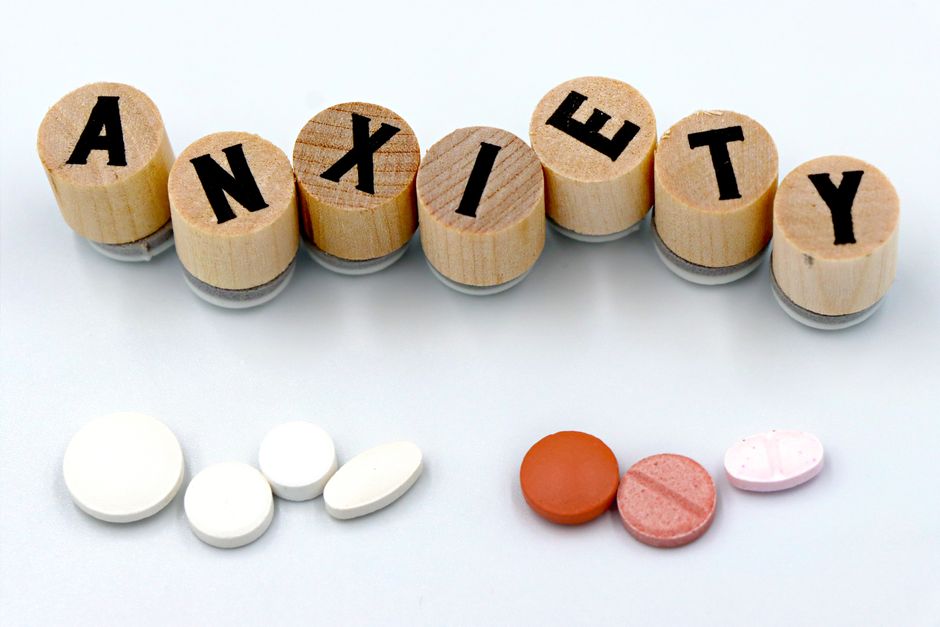
Anxiety disorders are the most common mental health conditions in the United States, affecting an estimated 40 million adults each year. The short answer to the question is yes—the Diagnostic and Statistical Manual of Mental Disorders (DSM-5) lists seven distinct anxiety disorders. These include separation anxiety disorder, selective mutism, specific phobia, social anxiety disorder, panic disorder, agoraphobia, and generalized anxiety disorder. Each has its own set of symptoms, triggers, and treatment approaches, though many share the common thread of intense fear or worry that disrupts daily life.
How Many Anxiety Disorders Are There 7 Types?
The current edition of the DSM-5 identifies seven specific anxiety disorders. Mental health professionals use this manual to diagnose conditions based on standardized criteria. The seven are separation anxiety disorder, selective mutism, specific phobia, social anxiety disorder, panic disorder, agoraphobia, and generalized anxiety disorder.
Previously, obsessive-compulsive disorder (OCD) and post-traumatic stress disorder (PTSD) were grouped with anxiety disorders. The DSM-5 now classifies OCD under its own category called obsessive-compulsive and related disorders. PTSD falls under trauma and stressor-related disorders. This change happened because research showed these conditions have distinct brain patterns and treatment responses compared to the core anxiety disorders.
What Are the Symptoms of Each Type?
Each anxiety disorder presents with unique symptoms, though some overlap exists. Understanding the differences helps people recognize what they may be experiencing and seek appropriate care.
Separation anxiety disorder involves intense fear or anxiety about being separated from attachment figures. While commonly associated with children, it can persist into adulthood. Adults may experience excessive distress when away from loved ones or worry constantly about harm befalling them.
Selective mutism is a rare condition where a person cannot speak in certain social situations despite being able to speak in others. It typically begins in childhood and is often mistaken for shyness. Children with this disorder may speak normally at home but remain silent at school or in public.
Specific phobia involves marked fear of a particular object or situation. Common examples include heights, flying, spiders, needles, or enclosed spaces. The fear is out of proportion to the actual danger and leads to avoidance behavior.
Social anxiety disorder causes intense fear of social situations where one might be scrutinized or judged. Physical symptoms like blushing, sweating, trembling, and nausea often accompany the psychological distress. People may avoid work presentations, parties, or even casual conversations.
Panic disorder is characterized by recurrent, unexpected panic attacks. A panic attack involves a sudden surge of intense fear accompanied by physical symptoms such as racing heart, chest pain, dizziness, and shortness of breath. People with panic disorder often worry about when the next attack will occur.
Agoraphobia involves fear of situations where escape might be difficult or help unavailable during a panic attack. People may avoid public transportation, open spaces, enclosed spaces, crowds, or being outside the home alone. In severe cases, individuals become housebound.
Generalized anxiety disorder (GAD) involves excessive worry about multiple areas of life—work, health, finances, family—that persists for at least six months. The worry is difficult to control and accompanied by restlessness, fatigue, difficulty concentrating, irritability, muscle tension, and sleep problems.
What Causes Anxiety Disorders?
Anxiety disorders develop from a combination of genetic, environmental, and psychological factors. No single cause explains why one person develops an anxiety disorder while another does not.
Genetics play a significant role. Research consistently shows that anxiety disorders run in families. If a close relative has an anxiety disorder, your risk is higher. However, genes alone do not determine the outcome—environmental factors matter just as much.
Brain chemistry and structure also contribute. The amygdala, a brain region involved in processing fear, tends to be hyperactive in people with anxiety disorders. Neurotransmitters like serotonin, norepinephrine, and gamma-aminobutyric acid (GABA) help regulate mood and stress responses. Imbalances in these chemicals can contribute to anxiety symptoms.
Life experiences shape vulnerability. Childhood trauma, abuse, neglect, or witnessing violence increases the risk of developing anxiety disorders. Chronic stress from work, relationships, or financial problems can also trigger onset. Major life changes—even positive ones like marriage or a new job—can precipitate symptoms in susceptible individuals.
Personality traits play a role as well. People who are naturally more inhibited, perfectionistic, or prone to negative thinking may be more vulnerable. Temperament in childhood, particularly behavioral inhibition, predicts later anxiety disorders in some studies.





How Are Anxiety Disorders Diagnosed?
A proper diagnosis requires evaluation by a qualified mental health professional. Primary care physicians can also make initial assessments and may refer patients to specialists for comprehensive evaluation.
The diagnostic process typically includes a clinical interview covering symptom history, duration, severity, and impact on functioning. Clinicians use the DSM-5 criteria as their guide. The symptoms must cause significant distress or impairment and cannot be better explained by substance use, medication side effects, or another medical condition.
Physical examinations and lab tests may rule out underlying medical conditions that mimic anxiety. Thyroid disorders, heart arrhythmias, asthma, and certain vitamin deficiencies can produce anxiety-like symptoms. Caffeine, stimulants, and some medications can also trigger anxiety symptoms.
Diagnosis requires that symptoms persist for a specific duration depending on the disorder. GAD requires at least six months of symptoms. Panic disorder requires recurrent unexpected attacks followed by at least one month of persistent worry about additional attacks. Specific phobia and social anxiety disorder typically require at least six months of symptoms in adults.
What Treatment Options Work Best?
Anxiety disorders are highly treatable. Most people improve significantly with appropriate care, though finding the right approach may take time.
Psychotherapy is a first-line treatment. Cognitive behavioral therapy (CBT) has the strongest evidence base. CBT helps people identify and challenge distorted thought patterns and gradually face feared situations through exposure therapy. Research consistently shows CBT produces lasting improvement for most anxiety disorders.
Medication can be effective, either alone or combined with therapy. Selective serotonin reuptake inhibitors (SSRIs) such as sertraline, fluoxetine, and escitalopram are commonly prescribed. Serotonin-norepinephrine reuptake inhibitors (SNRIs) like venlafaxine and duloxetine are also effective. Benzodiazepines may be prescribed for short-term relief but carry risks of dependence and are not recommended as long-term solutions.
Combining therapy with medication often produces the best outcomes for moderate to severe cases. A meta-analysis of treatment studies found that combination therapy outperforms either approach alone for panic disorder and social anxiety disorder.
Lifestyle factors support treatment but do not replace professional care. Regular aerobic exercise, adequate sleep, limiting caffeine and alcohol, and stress management techniques can reduce anxiety symptoms. Mindfulness-based stress reduction shows benefit in some studies, though the evidence base is smaller than for CBT.
When Should You Seek Professional Help?
Occasional worry is a normal part of life. The line between normal anxiety and an anxiety disorder lies in frequency, intensity, and impact on daily functioning.
Seek help if anxiety interferes with work, school, relationships, or daily activities. If you avoid situations because of fear, experience panic attacks, or find yourself consumed by worry, professional evaluation is warranted. Persistent physical symptoms like racing heart, chest tightness, or digestive problems without a clear medical cause also merit attention.
Anxiety disorders can worsen without treatment. They also increase the risk of developing depression, substance use disorders, and other health problems. Early intervention leads to better outcomes.
No clinical guidelines currently exist for self-diagnosis. If you suspect you have an anxiety disorder, a mental health professional can provide an accurate assessment and recommend appropriate treatment. Many people wait years before seeking help, often because of stigma or uncertainty about where to start. Your primary care physician is a reasonable first step and can provide referrals.
Frequently Asked Questions
What is the most common anxiety disorder?
Specific phobia is the most common anxiety disorder in the general population. Social anxiety disorder and generalized anxiety disorder also affect large numbers of people.
Can anxiety disorders be cured?
Treatment can eliminate symptoms or reduce them to manageable levels for most people. Many individuals achieve full recovery, though some may need ongoing maintenance treatment to prevent relapse.
Are anxiety disorders genetic?
Genetics contribute to risk, but they do not guarantee development of an anxiety disorder. Environmental factors, life experiences, and coping skills interact with genetic predisposition.
What is the difference between normal anxiety and an anxiety disorder?
Normal anxiety is proportional to the situation and passes when the stressor resolves. An anxiety disorder involves excessive, persistent fear or worry that causes significant distress and interferes with daily functioning.
