
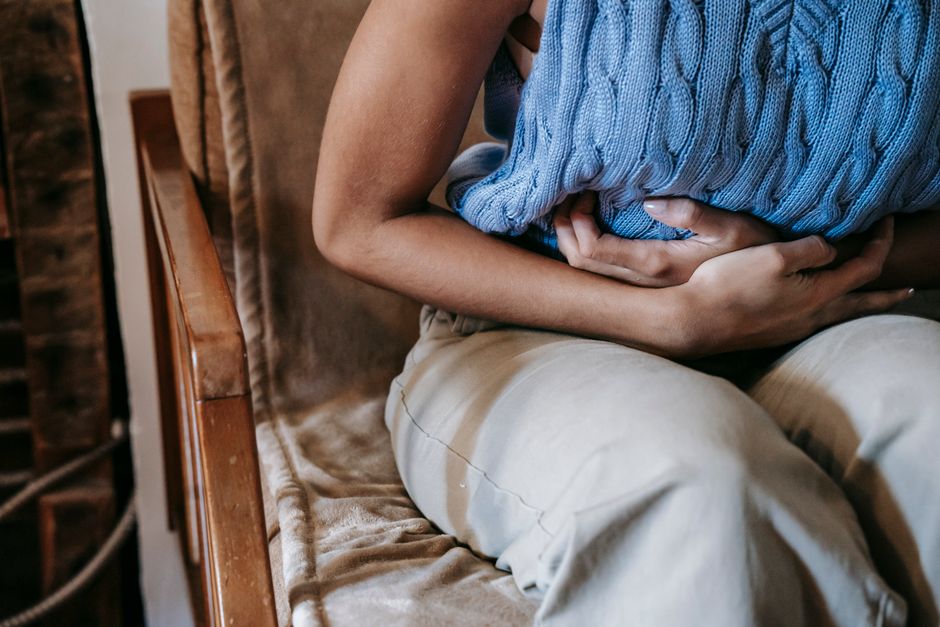
Bloating is one of the most common digestive complaints, and the answer to how long it lasts depends entirely on why it is happening. For most people, a single episode of bloating after a large meal or a high-sodium day will resolve within 24 to 48 hours. If bloating is caused by a temporary change in diet, it usually clears up once your digestive system processes the food. However, if bloating is linked to a chronic condition like irritable bowel syndrome (IBS) or a food intolerance, it can last for days or recur frequently. The key is identifying the trigger, because the duration of the symptom is directly tied to its cause.
What Causes Bloating in the First Place?
Bloating is the sensation of fullness or tightness in the abdomen, often accompanied by visible swelling. It happens when gas or fluid accumulates in the gastrointestinal tract. The most common cause is swallowed air, which happens when you eat too quickly, drink through a straw, or chew gum. The other major cause is the fermentation of undigested food in the colon, which produces gas.
Certain foods are more likely to cause gas than others. Beans, lentils, broccoli, cabbage, and carbonated drinks are classic culprits. High-fat meals can also slow digestion, giving food more time to ferment. For many people, eating a meal that is too large stretches the stomach, which creates a feeling of pressure even without excess gas.
Water retention is another cause. A meal high in sodium can make your body hold onto fluid, leading to a bloated feeling that is not related to gas at all. This type of bloating often affects the abdomen but can also cause puffiness in the fingers, ankles, and face.
How Long Will Bloating Last for Different Causes?
If you ate a large meal or a gas-producing food, the bloating typically peaks within a few hours and resolves as the food moves through your digestive tract. Most people feel back to normal within 24 hours. This is the most common scenario and rarely requires any treatment.
Bloating from a high-sodium meal follows a similar timeline. The body will flush out the excess fluid over the next day or two, especially if you drink plenty of water. This type of bloating rarely lasts longer than 48 hours.
Food intolerances are different. If you are lactose intolerant and consume dairy, or if you have trouble digesting certain carbohydrates known as FODMAPs, the bloating can last for two to three days. The gas is produced in the colon, and it takes time for the undigested particles to pass through the entire digestive system. The duration depends on your individual gut transit time, which can range from 24 to 72 hours.
For people with IBS, bloating can be a chronic issue. It may come and go, sometimes lasting for several days at a time. The bloating in IBS is often related to abnormal muscle contractions in the gut and an overactive pain response to normal amounts of gas.
When Bloating Lasts Longer Than a Few Days
Bloating that persists for more than a few days without relief deserves attention. If you have tried changing your diet, drinking more water, and moving your body, and the bloating remains, it could indicate a more significant issue.
Conditions like celiac disease, small intestinal bacterial overgrowth (SIBO), or gastroparesis can cause prolonged bloating. Celiac disease is an autoimmune reaction to gluten that damages the small intestine. SIBO occurs when bacteria that normally live in the colon migrate to the small intestine, where they ferment food and produce gas. Gastroparesis is a condition where the stomach empties too slowly, keeping food and gas in the stomach for extended periods.
In women, persistent bloating can sometimes be linked to ovarian issues. While ovarian cancer is rare, persistent bloating that feels different from your normal digestive patterns should be discussed with a doctor. The general guidance is that bloating lasting more than two weeks, especially if it is accompanied by weight loss, pain, or changes in bowel habits, warrants a medical evaluation.





What Actually Helps Reduce Bloating Faster?
For the common, short-lived type of bloating, gentle movement is one of the most effective remedies. A short walk after a meal helps stimulate the digestive tract and encourages the movement of gas. Light stretching or yoga poses that involve twisting the abdomen can also help.
Hydration matters. Drinking water helps the body flush out excess sodium, which reduces fluid retention. It also helps keep things moving through the colon, preventing constipation, which is a common hidden cause of bloating.
Over-the-counter remedies can help in specific situations. Simethicone, the active ingredient in products like Gas-X, helps break up gas bubbles in the stomach. It is most effective for bloating caused by swallowed air. If you suspect lactose intolerance, a lactase enzyme supplement taken before a dairy meal can prevent the bloating entirely. Beano, which contains the enzyme alpha-galactosidase, can help break down complex carbohydrates in beans and vegetables before they reach the colon.
Peppermint oil capsules have shown some benefit in trials for IBS-related bloating. They work by relaxing the smooth muscle of the gut. However, the evidence is stronger for IBS pain than for bloating specifically, and results vary from person to person.
How to Prevent Bloating From Happening Again
Prevention starts with eating habits. Eating slowly and chewing food thoroughly reduces the amount of air you swallow. Avoiding carbonated drinks and chewing gum also limits swallowed air.
If you notice that certain foods consistently cause bloating, it is reasonable to limit them. A food diary can help you identify patterns. Write down what you ate, when you ate it, and how you felt afterward. After a few weeks, you may see a clear connection between a specific food and your bloating.
For people with frequent bloating, a low-FODMAP diet is sometimes recommended by clinicians. This diet temporarily eliminates a group of carbohydrates that are poorly absorbed in the small intestine. It is not a long-term diet, and it should not be attempted without guidance from a registered dietitian, because it is highly restrictive. The goal is to identify which specific FODMAPs trigger your symptoms, then reintroduce the ones that do not cause problems.
Regular physical activity is one of the most reliable preventive measures. Exercise stimulates normal bowel function and reduces the time food spends in the colon, which means less time for fermentation and gas production.
When to See a Doctor About Bloating
Occasional bloating is normal and not a reason for concern. You should seek medical advice if the bloating is persistent, severe, or accompanied by other warning signs.
See a doctor if you have bloating along with any of the following:
- Unintentional weight loss
- Blood in your stool
- Vomiting or severe abdominal pain
- Fever
- Bloating that does not improve at all over two weeks
These symptoms could indicate an infection, an obstruction, or an inflammatory condition that requires proper diagnosis. Do not try to self-treat persistent bloating with over-the-counter products if it is accompanied by any of these signs.
For women, it is worth noting that bloating that occurs only around the menstrual cycle is common and typically resolves within a few days of the period starting. Hormonal changes cause fluid retention, and this is a normal physiological response. However, bloating that is not tied to your cycle and persists for weeks is different.
Frequently Asked Questions
Why is my stomach still bloated after 3 days?
Bloating lasting three days often points to a food intolerance, constipation, or a condition like IBS rather than a single large meal. If it does not resolve with hydration and movement, consider whether you ate a trigger food like dairy or beans.
Does drinking water help bloating go away?
Yes, drinking water helps flush excess sodium and prevents constipation, which are two common causes of bloating. It is most effective for fluid retention bloating rather than gas-related bloating.
Can bloating last for weeks?
Bloating lasting for weeks is not typical and should be evaluated by a doctor. Persistent bloating can be a sign of an underlying condition like celiac disease, SIBO, or other gastrointestinal disorders that need proper diagnosis.
Is walking good for bloating?
Yes, walking is one of the best ways to relieve gas-related bloating. Light physical activity stimulates the digestive tract and helps move trapped gas through the system.
