
Testing for Sjögren’s syndrome is not a single blood draw or a quick swab. It is a process that combines specific blood tests, sometimes an eye exam, and occasionally a biopsy of your lip. The goal is to confirm that your immune system is attacking the glands that produce saliva and tears, while ruling out other conditions that cause similar symptoms like dry eyes, dry mouth, and joint pain.
Diagnosis usually takes time because the symptoms overlap with many other health issues. If you are experiencing persistent dryness, your doctor will likely start with a basic panel of blood work and refer you to a specialist if the results point toward an autoimmune condition. Here is what the testing process actually looks like, step by step.
What Blood Tests Are Used For Sjögren’s Syndrome?
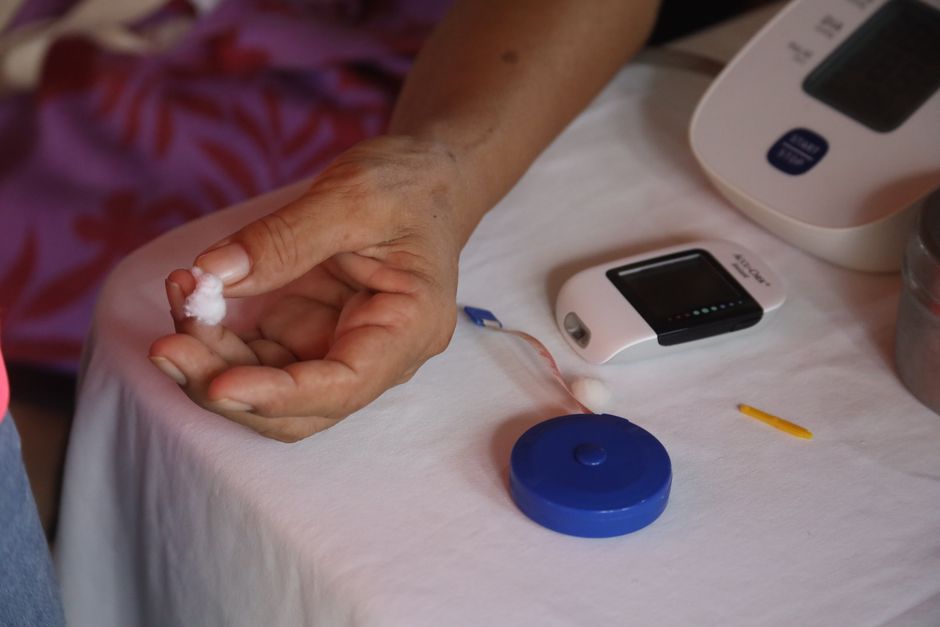
Blood tests are the first line of investigation. The most specific markers for Sjögren’s are antibodies known as anti-SSA (also called Ro) and anti-SSB (also called La). These antibodies are present in about 60 to 70 percent of people with the condition.
Your doctor will also likely check for antinuclear antibodies, or ANA. A positive ANA test indicates an autoimmune process is happening, but it is not specific to Sjögren’s. It can be positive in lupus, rheumatoid arthritis, and even in healthy people. Rheumatoid factor is another test often included because it is frequently elevated in Sjögren’s patients, though it is not diagnostic on its own.
It is important to understand that a negative blood test does not rule out Sjögren’s syndrome. A significant number of people with the condition, particularly those with what is called seronegative Sjögren’s, have normal blood work but still show clear signs of gland damage on other tests.
How Do Doctors Measure Dry Eyes And Dry Mouth?
Because Sjögren’s attacks moisture-producing glands, doctors need to measure how much moisture you actually produce. For the eyes, this is done with a Schirmer’s test. A small strip of filter paper is placed under your lower eyelid for five minutes. The distance the paper gets wet measures your tear production. Less than 5 millimeters of wetness in that time is considered abnormal.
For the mouth, doctors may use a test called unstimulated whole saliva flow rate. You simply spit into a cup for 15 minutes. If you produce very little saliva, that supports a diagnosis. Some clinics also use sialometry, which measures saliva production after stimulation, but the unstimulated test is more common in diagnostic protocols.
These tests are simple and painless. They do not diagnose Sjögren’s on their own, but abnormal results combined with positive blood tests or a biopsy strengthen the case significantly.
What Is A Lip Biopsy And When Is It Needed?
A minor salivary gland biopsy, often called a lip biopsy, is the most definitive test for Sjögren’s syndrome. It involves removing a few tiny salivary glands from the inside of your lower lip. A pathologist examines them under a microscope looking for clusters of inflammatory cells called foci.
The biopsy is not the first test doctors order. It is usually reserved for cases where blood tests are negative but symptoms are severe, or when a doctor needs absolute confirmation before starting treatments that suppress the immune system. The procedure is done under local anesthesia with a few small stitches. Most people tolerate it well, though the lip can be sore and slightly numb for a few days afterward.
If the biopsy shows a focus score of 1 or higher, it is considered positive for Sjögren’s. However, some people with the condition have a negative biopsy, so this test is not perfect either.





What Other Tests Might Be Part Of The Workup?
Because Sjögren’s can affect more than just the glands, doctors often run additional tests to check for complications. A doctor may order a chest X-ray or pulmonary function tests if you have a dry cough or shortness of breath. Blood tests for kidney function and liver enzymes are common because Sjögren’s can cause inflammation in these organs.
An ultrasound of the salivary glands is becoming more common in Europe and is increasingly used in the United States. This imaging test can show structural changes in the parotid glands, which are the large glands in front of your ears. Some research suggests that ultrasound findings may eventually replace the need for a lip biopsy in certain patients, but it is not yet the standard of care everywhere.
Doctors may also test for other autoimmune conditions at the same time. Sjögren’s frequently occurs alongside rheumatoid arthritis, lupus, and thyroid disease. A thorough workup often includes a complete blood count and inflammatory markers like ESR and CRP.
How Long Does The Whole Testing Process Take?
Do not expect a same-day diagnosis. The full workup usually takes several weeks to a few months. The blood tests come back in a few days, but coordinating appointments with an ophthalmologist, a dentist, or a rheumatologist takes time.
Most people start with their primary care physician. If the initial blood tests are suggestive, you will likely be referred to a rheumatologist, who specializes in autoimmune diseases. The rheumatologist will review your history, examine your joints and glands, and decide which additional tests are necessary.
If your symptoms are mild and your blood tests are negative, your doctor may recommend a watch-and-wait approach rather than pursuing a biopsy. Sjögren’s can develop slowly, and symptoms may not meet the full diagnostic criteria for years.
How To Test For Sjogrens Syndrome What To Expect From The Results?
Expect a conversation, not a verdict. The diagnosis of Sjögren’s is based on a combination of symptoms, test results, and the exclusion of other diseases. There is no single test that confirms it with 100 percent certainty in every person.
If you meet the criteria, your doctor will likely discuss treatment options. These include artificial tears, saliva substitutes, and medications that increase saliva production. For more severe cases, drugs that suppress the immune system such as hydroxychloroquine or methotrexate may be prescribed. Some clinicians recommend these medications, but the evidence supporting their effectiveness in Sjögren’s is not as strong as it is for other autoimmune diseases.
If your tests are negative but your symptoms are real, that does not mean nothing is wrong. It means the cause has not been identified yet. Dry eyes and dry mouth can be caused by medications, aging, nerve damage, or other autoimmune conditions. Your doctor may continue to monitor your symptoms and re-test if they worsen.
Frequently Asked Questions
Can you have Sjögren’s syndrome with normal blood tests?
Yes, this is called seronegative Sjögren’s, and it occurs in about 20 to 30 percent of people with the condition. In these cases, a lip biopsy or gland ultrasound may be needed to confirm the diagnosis.
Is a lip biopsy painful?
The procedure uses local anesthesia, so you will not feel pain during the biopsy. You may experience soreness, swelling, and some numbness in the lip for a few days afterward.
How accurate are Sjögren’s blood tests?
The anti-SSA and anti-SSB antibody tests are highly specific, meaning a positive result strongly supports the diagnosis. However, they miss a significant number of cases, so negative results do not rule out the disease.
What doctor diagnoses Sjögren’s syndrome?
A rheumatologist is the specialist who typically makes the diagnosis. They may work with an ophthalmologist to evaluate dry eyes and a dentist or oral medicine specialist to assess salivary gland involvement.
