
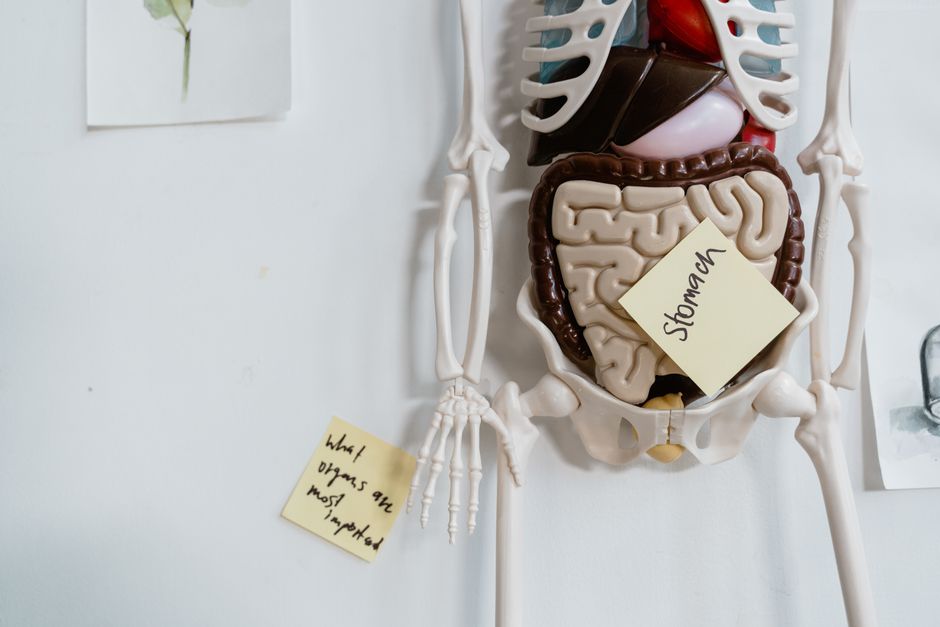
A stomach bug typically lasts 1 to 3 days, though some cases can stretch to a week or longer. Most people begin to feel better within 24 to 48 hours of the first symptoms appearing. The illness is usually self-limiting, meaning it runs its course without medical treatment. However, the exact duration depends on the virus or bacteria causing it and your overall health.
What Determines How Long A Stomach Bug Usually Lasts
The most common cause of a stomach bug in adults is a group of viruses called norovirus. These viruses are highly contagious and typically cause symptoms that resolve within 24 to 72 hours. Rotavirus, another common culprit, tends to last slightly longer, often 3 to 8 days in children.
Bacterial infections, such as those from contaminated food, can last longer than viral infections. These may persist for 5 to 7 days and sometimes require antibiotics. If your symptoms last beyond 48 hours with no improvement, a bacterial cause becomes more likely.
Your immune system plays a major role in recovery time. Younger adults with robust immune responses often recover faster than older adults or those with weakened immune systems. People with chronic conditions like inflammatory bowel disease may also experience longer episodes.
Typical Timeline Of Symptoms
Stomach bug symptoms usually begin suddenly. The most common signs include nausea, vomiting, diarrhea, stomach cramps, and sometimes a low-grade fever. These symptoms appear 12 to 48 hours after exposure to the virus or bacteria.
The first 24 hours are usually the most intense. Vomiting often peaks early and then gradually decreases. Diarrhea may continue for another day or two after vomiting stops. Fatigue and weakness often persist for a few days after the gastrointestinal symptoms resolve because your body has been fighting an infection and losing fluids.
Some people experience lingering digestive discomfort for up to a week. This is not the infection itself but rather the aftermath — your intestinal lining needs time to heal after the inflammation subsides. Mild loose stools or reduced appetite during this recovery window are normal.
When A Stomach Bug Lasts Longer Than Expected
If symptoms continue beyond 7 days, the cause may not be a typical stomach bug. Other conditions can mimic gastroenteritis, including food intolerances, irritable bowel syndrome, or parasitic infections. Parasitic infections like giardia can cause diarrhea that lasts for weeks if untreated.
Persistent symptoms warrant medical evaluation. See a doctor if you have blood in your stool, a fever above 101.5°F (38.6°C), severe abdominal pain, or signs of dehydration that do not improve with fluid intake. These symptoms suggest something beyond a routine viral infection.
Dehydration is the most common complication of a stomach bug. Signs include dark urine, dizziness when standing, dry mouth, and reduced urination. Young children, older adults, and pregnant women are at higher risk for dehydration and should be monitored closely.





How To Shorten The Duration Of A Stomach Bug
No medication cures a viral stomach bug. Antibiotics do not work against viruses, and antiviral medications for gastroenteritis are not widely available. The illness must run its course while your immune system clears the infection.
What you can do is support your body during recovery. The most important step is replacing lost fluids and electrolytes. Oral rehydration solutions are more effective than plain water because they contain the right balance of salt, sugar, and potassium. Clear broths and sports drinks can also help, though sports drinks contain more sugar than is ideal for rehydration.
Rest is equally important. Your body directs significant energy toward fighting the infection, so physical activity can slow recovery. Most people feel significantly better within 48 hours when they rest and stay hydrated.
Over-the-counter anti-diarrheal medications like loperamide can reduce symptoms but are not recommended for everyone. If you have a fever or blood in your stool, these medications can make the infection worse. Children should not take these medications without a doctor’s guidance.
What To Eat After A Stomach Bug
Once vomiting stops, you can begin reintroducing food. Start with small amounts of bland, easily digestible foods. The BRAT diet — bananas, rice, applesauce, and toast — is a traditional approach that remains reasonable for the first day or two of recovery.
Plain crackers, boiled potatoes, and clear soups are also gentle on the stomach. Avoid dairy products, fatty foods, spicy foods, and high-fiber foods until your digestive system has fully recovered. These can irritate the intestinal lining and prolong symptoms.
Probiotics may help some people recover faster. Some research suggests that certain probiotic strains can reduce the duration of infectious diarrhea by about a day. The evidence is not strong enough to make a universal recommendation, but yogurt with live cultures or a probiotic supplement is unlikely to cause harm once acute symptoms have passed.
How Long Are You Contagious After A Stomach Bug
You remain contagious as long as you have symptoms and for a period afterward. With norovirus, you can shed the virus in your stool for up to 2 weeks after symptoms resolve. However, you are most contagious while actively vomiting and having diarrhea.
You should stay home from work or school until you have been symptom-free for at least 48 hours. This is especially important for people who work in food service, healthcare, or childcare settings. The virus can survive on surfaces for days, so thorough cleaning is essential.
Handwashing with soap and water is more effective than alcohol-based hand sanitizers against norovirus. The virus is not effectively killed by alcohol. Wash your hands after using the bathroom, before preparing food, and after touching potentially contaminated surfaces.
When To Seek Medical Care
Most stomach bugs do not require medical treatment. But certain situations call for professional evaluation. Seek care if you cannot keep fluids down for more than 24 hours, if you have signs of severe dehydration, or if symptoms worsen instead of improving.
Medical attention is also warranted for infants under 6 months with any fever, children with persistent vomiting for more than 12 hours, and anyone with a weakened immune system. Pregnant women should contact their healthcare provider if they develop a stomach bug, as dehydration can affect the pregnancy.
In rare cases, what seems like a stomach bug may be something more serious. Appendicitis, gallbladder disease, and pancreatitis can present with nausea, vomiting, and abdominal pain. If pain is severe and localized to the lower right abdomen, or if it worsens with movement, seek emergency care.
Frequently Asked Questions
Can a stomach bug last 2 weeks?
A typical viral stomach bug does not last 2 weeks. If symptoms persist beyond 7 days, the cause may be a bacterial or parasitic infection that requires medical evaluation.
How long are you contagious with a stomach bug?
You are most contagious while you have active symptoms and for about 48 hours after they resolve. Some viruses can be shed in stool for up to 2 weeks after recovery.
What is the fastest way to get rid of a stomach bug?
There is no cure for a viral stomach bug, but resting, staying hydrated with oral rehydration solutions, and eating bland foods can help you recover faster. Antibiotics do not work for viral infections.
Is a stomach bug the same as food poisoning?
They cause similar symptoms, but food poisoning comes from eating contaminated food and often begins within hours of eating. A stomach bug is an infection you catch from another person or contaminated surface.
