
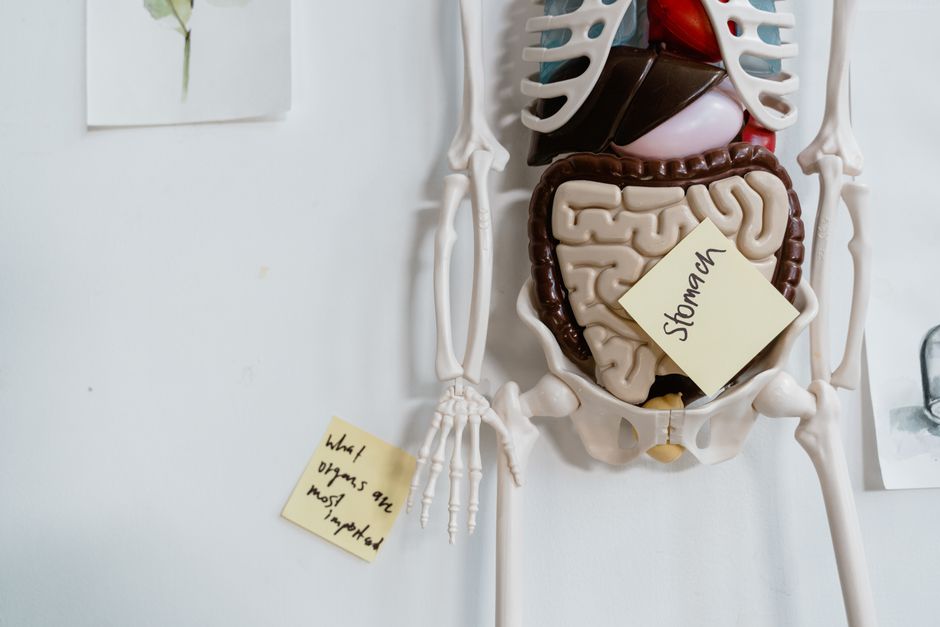
Your stomach is less like a bag and more like a slow-release valve. After a typical meal, it takes roughly two to four hours for about half of the stomach’s contents to pass into the small intestine, and most of a normal mixed meal is gone within four to five hours. That number shifts a lot depending on what you ate, how much you ate, and how your body is wired. Fat and fiber slow things down. Liquids move through fast. And a long list of medical conditions, medications, and habits can speed the process up or slow it to a crawl.
How Long Does It Take For Your Stomach To Empty?
For a standard mixed meal, the stomach empties most of its contents in about four to five hours. The two-to-four-hour mark is when roughly half the meal has left the stomach.
The stomach does not empty all at once. It works in a steady, controlled way. Solid food is churned into a thick liquid called chyme, then released through a muscular gate at the bottom of the stomach called the pyloric sphincter. That gate opens in small pulses. This is why digestion feels gradual rather than sudden.
Emptying is not a straight line. The first part of a meal leaves faster. The last part lingers longer. A heavy, fatty dinner can still be partly in your stomach three or four hours later, even though a light snack would be long gone.
What Does “Normal” Stomach Emptying Actually Look Like?
A normal stomach empties in a predictable pattern that doctors can measure. The most common test is called gastric emptying scintigraphy. You eat a standardized meal that contains a tiny amount of radioactive tracer, and a scanner tracks how much food leaves your stomach over time.
In healthy adults, the standard benchmark is that less than 10 percent of the meal remains in the stomach at four hours. Clinicians often describe the first two hours as the early phase, when about half of a light meal has typically left. By four hours, most people have cleared the vast majority of what they ate.
These numbers come from a standardized meal used in testing, not from everyday eating. Your real-world meal is often larger, fattier, or more mixed than a test meal. So your personal timeline can run longer than the test figures suggest.
Liquids behave differently. Plain water can leave the stomach in well under an hour. That fast exit is why you can drink water shortly before a procedure that requires an empty stomach, while solid food needs much more time.
What Slows Stomach Emptying Down?
Fat is the biggest brake. When fat reaches the small intestine, it triggers signals that tell the stomach to slow its release. This is a normal, healthy response. It gives the gut time to digest fat properly.
Fiber also slows emptying. So does a large meal volume, since there is simply more to process. High-protein meals empty somewhat more slowly than high-carbohydrate ones, though fat has the strongest effect.
Beyond food, several medical conditions can slow the stomach significantly:
- Gastroparesis — a condition where the stomach empties unusually slowly without a physical blockage. It is most often linked to long-standing diabetes, but it can also follow certain surgeries or viral infections, and sometimes no cause is found.
- Diabetes — high blood sugar over time can damage the nerves that control stomach muscles.
- Some medications — certain pain medicines, antidepressants, and drugs used for nausea can slow emptying as a side effect.
- Hypothyroidism — an underactive thyroid can slow the whole digestive tract.
When emptying is genuinely slow, symptoms tend to include nausea, feeling full after only a few bites, bloating, and sometimes vomiting of undigested food hours after eating. Ongoing symptoms like these deserve a medical evaluation rather than a guess.





What Speeds Stomach Emptying Up?
An empty or nearly empty stomach moves fastest. When there is little to process, the pyloric sphincter relaxes more freely and contents pass quickly.
Liquids empty faster than solids. Carbohydrate-rich foods empty faster than fatty ones. And a smaller meal clears sooner than a large one, simply because there is less volume to move.
Some conditions speed emptying in ways that cause problems. After certain types of stomach or weight-loss surgery, food can pass into the small intestine too quickly. This is sometimes called dumping syndrome. It can cause nausea, cramping, diarrhea, and a rapid pulse shortly after eating, especially after high-sugar meals.
A few everyday factors can nudge emptying faster too, though the effect is usually modest. Lying on your right side, for example, tends to speed things up because of how gravity and stomach position interact. That is a small effect, not a switch.
How Long Does Food Stay in Your Stomach Before It Moves On?
Different foods leave the stomach at very different speeds. This is one of the most useful things to understand, because it explains why some meals sit heavily and others do not.
| Type of food or drink | Approximate time in the stomach |
|---|---|
| Water and clear liquids | Under 1 hour |
| Low-fat, high-carb meal | About 1 to 2 hours |
| Mixed typical meal | About 2 to 4 hours |
| High-fat or large meal | About 4 to 5 hours or more |
These are general ranges based on how the stomach handles each type of food. Individual results vary. Two people can eat the same meal and clear it at noticeably different speeds.
One detail worth knowing: the stomach treats solids and liquids separately. A glass of water you drink with a meal can leave the stomach within minutes, even while solid food from the same meal stays behind for hours. The stomach sorts them. That is why a heavy meal can feel like it is “still there” long after the drink is gone.
Does Stomach Emptying Time Change With Age or Health?
Age slows digestion somewhat, but the effect on stomach emptying is usually modest in healthy older adults. The bigger influences are underlying conditions and medications, which become more common with age.
Diabetes is the most common condition linked to slow stomach emptying. Over years, high blood sugar can damage the vagus nerve, which helps control the stomach’s muscular contractions. When that nerve works poorly, food sits longer than it should.
Weight and body size do not reliably predict emptying speed. Some research suggests obesity may be linked to faster or slower emptying in different people, but the findings are mixed and no clear rule applies. Do not assume your body size tells you how fast you digest.
Pregnancy is a special case. Many pregnant people experience slower stomach emptying and more reflux, partly due to hormonal changes and pressure from the growing uterus. This is a common and expected change, not a sign of disease.
Why Emptying Speed Matters for Medications and Meals
How fast your stomach empties affects how fast a pill starts working. Most drugs are absorbed in the small intestine, not the stomach. So a slower stomach can delay when a medicine reaches the bloodstream and takes effect.
This is why some medicines are meant to be taken on an empty stomach. Food can change how quickly or how fully a drug is absorbed. If a label says “take on an empty stomach,” it usually means about one hour before eating or two hours after. Following that timing matters for how the drug performs.
Emptying speed also shapes how you feel after eating. A meal that sits heavily can cause bloating and discomfort. A meal that moves too fast can cause cramping or an early hunger rebound. Neither is automatically a problem, but a persistent pattern is worth discussing with a clinician.
One clarification that often gets lost: feeling “full” does not mean your stomach is still packed with food. Fullness signals come from stretch receptors in the stomach wall and from hormones, not just from how much is physically left. A stomach can feel full even as it is steadily emptying.
When Should You Talk to a Doctor About Stomach Emptying?
Occasional slow digestion after a big meal is normal and not a cause for concern. The picture changes when symptoms are persistent or interfering with daily life.
See a doctor if you regularly feel full after only a few bites, vomit undigested food hours after eating, have ongoing nausea or bloating, or are losing weight without trying. These can point to slow emptying that deserves evaluation.
Also seek care for symptoms that come on quickly and severely, such as sudden severe abdominal pain, repeated vomiting, or signs of dehydration. Those are not slow-digestion issues and need prompt attention.
Diagnosis usually starts with a medical history and a gastric emptying study if slow emptying is suspected. Treatment depends on the cause. It may involve dietary changes, managing an underlying condition like diabetes, or adjusting medications that slow the stomach. Some clinicians recommend smaller, lower-fat meals eaten more often, though the strength of evidence varies by situation.
Frequently Asked Questions
How long does it take for your stomach to empty after eating?
A typical mixed meal leaves the stomach in about two to four hours for most of its contents, with most cleared by four to five hours. Fat, fiber, and large meal size can extend that time.
Does water empty from your stomach faster than food?
Yes. Plain water and clear liquids can leave the stomach in under an hour, while solid food takes several hours. The stomach handles liquids and solids on separate timelines.
What foods slow down stomach emptying the most?
Fatty foods slow emptying the most, followed by high-fiber foods. Large meals also take longer simply because there is more volume to process.
Can slow stomach emptying be a sign of a medical problem?
It can be. Persistent fullness after a few bites, nausea, or vomiting undigested food hours after eating may point to a condition like gastroparesis, which is most often linked to diabetes. These symptoms warrant a medical evaluation.
