
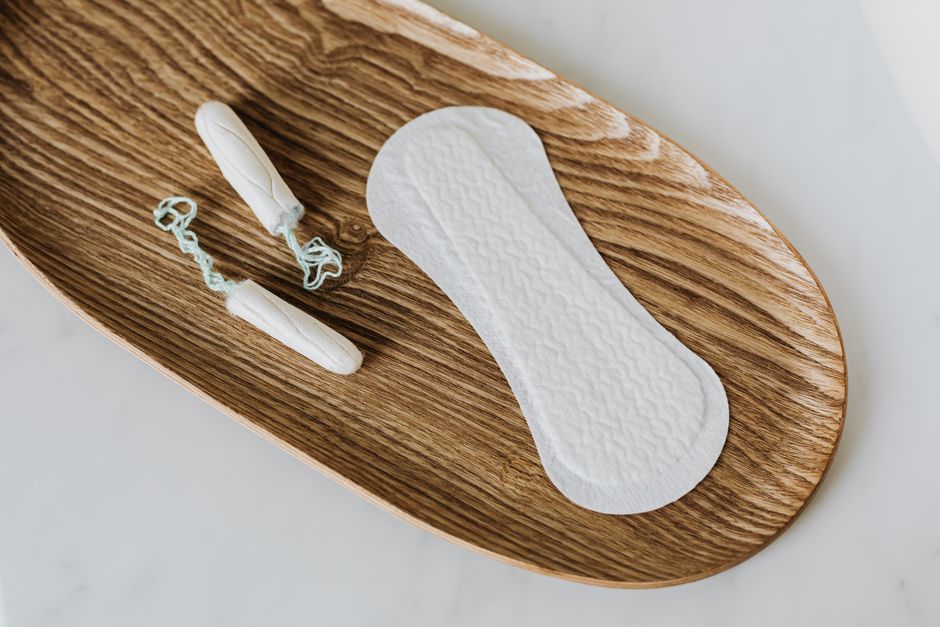
A tampon should be left in for no longer than 8 hours. Most people change tampons every 4 to 6 hours, depending on flow. Leaving one in longer than 8 hours raises the risk of a rare but serious bacterial infection called toxic shock syndrome, or TSS.
That 8-hour limit is not a suggestion. It is the standard guidance printed on tampon packaging and repeated by medical organizations. The rule exists because tampons sit inside the vagina, where they can trap bacteria and, in rare cases, create conditions for harmful toxins to build up.
Knowing how tampons work, why the time limit matters, and what warning signs to watch for helps you use them safely.
Why Is There a Time Limit on Tampons?
A tampon is a plug of absorbent material that sits inside the vagina to soak up menstrual blood. That absorbency is exactly what creates the risk. The same material that holds blood can also hold bacteria and change the environment inside the vagina.
The main concern is Staphylococcus aureus, a common bacterium. Many people carry it on their skin or in their nose without any problem. In rare cases, when it grows in the right conditions, it releases toxins. If those toxins enter the bloodstream, they can cause toxic shock syndrome. TSS is uncommon, but it can become life-threatening quickly.
Leaving a tampon in too long gives bacteria more time to multiply. Using a higher-absorbency tampon than you need can create the same problem, because a very absorbent tampon can stay in place longer before it needs changing.
This is why the guidance focuses on both time and absorbency. Change your tampon regularly, and choose the lowest absorbency that manages your flow.
How Long Can You Leave a Tampon In?
Eight hours is the outer limit. That applies whether you are awake or asleep. Change your tampon at least every 4 to 8 hours, and more often on heavy flow days.
Here is how that breaks down in practice:
- Daytime: Change every 4 to 6 hours, or sooner if the tampon is saturated.
- Overnight: You can wear one tampon for up to 8 hours while sleeping. If you sleep longer than 8 hours, use a pad instead.
- Heavy flow: Change more frequently. If a tampon is fully soaked in under 4 hours, that is a sign of a heavy period.
- Light flow: Do not leave a tampon in longer just because it is not full. The time limit still applies.
A common mistake is wearing a higher-absorbency tampon on light days so it can stay in longer. That is the opposite of what you want. Higher absorbency is linked to higher TSS risk. Match the absorbency to your flow, and change on schedule regardless.
What Happens If You Leave a Tampon In Too Long?
Most of the time, nothing happens. Many people have forgotten a tampon and felt fine. But leaving one in too long does raise the risk of TSS, and that risk grows the longer a tampon stays in place.
TSS can develop fast. Symptoms often appear suddenly and can include:
- A sudden high fever
- Vomiting or diarrhea
- A sunburn-like rash, especially on the palms and soles
- Muscle aches
- Dizziness, fainting, or confusion
- Low blood pressure
If you have any of these symptoms while wearing a tampon, remove it right away and seek medical care immediately. Tell the clinician you were wearing a tampon. Early treatment matters, because TSS can worsen within hours.
It is also possible to forget a tampon and not notice for days. If you cannot remember removing your last tampon, it is worth checking. A retained tampon can cause a strong odor and unusual discharge. If you cannot find or remove it, see a clinician.





Does Tampon Absorbency Matter?
Yes. Absorbency is one of the strongest known factors linked to TSS risk. Research has consistently shown that higher-absorbency tampons are associated with a greater risk than lower-absorbency ones.
Tampons are labeled by absorbency, from light to ultra. The general rule is simple: use the lowest absorbency that controls your flow. If you are changing a super tampon every couple of hours, that is a sign to talk to a clinician about heavy bleeding rather than to reach for an even higher absorbency.
Some people also use tampons with a plastic or cardboard applicator, or without an applicator at all. Applicator type does not appear to be the main driver of risk. Absorbency and how long the tampon stays in are the factors that matter most.
How Can You Reduce Your Risk?
Safe tampon use comes down to a few habits. None of them are complicated, but they matter.
- Change your tampon every 4 to 8 hours.
- Use the lowest absorbency that works for your flow.
- Alternate tampons with pads, especially overnight or on light days.
- Wash your hands before and after inserting or removing a tampon.
- Never wear a tampon between periods or for non-menstrual discharge.
- Keep track of when you last changed your tampon, especially if you are tired or distracted.
If you tend to sleep more than 8 hours, a pad or period underwear overnight is a reasonable swap. You can return to tampons in the morning.
There is no evidence that organic cotton tampons eliminate TSS risk. The material may differ, but the basic mechanism — a foreign object sitting in the vagina and trapping bacteria — does not change. No tampon brand is risk-free.
What About Sleeping With a Tampon?
Sleeping with a tampon is generally considered acceptable as long as it stays within the 8-hour window. If you sleep 7 to 8 hours, a tampon worn to bed and removed on waking fits within the guidance.
The problem is when sleep runs long, or when you put a tampon in well before bed and leave it until morning. That can push total wear time past 8 hours without you realizing it.
If your sleep schedule is unpredictable, or you regularly sleep more than 8 hours, using a pad overnight removes the guesswork. It is a simple change that lowers risk without much inconvenience.
When Should You Talk to a Clinician?
Talk to a clinician if you have symptoms of TSS, if you cannot remove a tampon, or if you are unsure whether one is still inside. These are situations where waiting is not a good idea.
It is also worth a conversation if you soak through a tampon in under 4 hours on a regular basis. Heavy menstrual bleeding is common, but it can have underlying causes that are worth evaluating. Some clinicians recommend checking for conditions like anemia or thyroid problems when bleeding is consistently heavy. This is common clinical practice, though the strength of evidence for routine testing varies.
Finally, if you have had TSS before, talk to a clinician before using tampons again. Recurrence is possible, and the guidance for people with a history of TSS tends to be more cautious.
Frequently Asked Questions
How long can you leave a tampon in?
No longer than 8 hours, with most people changing every 4 to 6 hours. Overnight use is fine if total wear time stays within that 8-hour window.
Can you sleep with a tampon in?
Yes, as long as it stays in for no more than 8 hours. If you sleep longer than that, use a pad instead.
What happens if you forget to take a tampon out?
A retained tampon can cause a strong odor, unusual discharge, and irritation, and it raises the risk of toxic shock syndrome. If you cannot remove it yourself, see a clinician.
Does using organic tampons lower TSS risk?
No. There is no evidence that organic cotton tampons eliminate or meaningfully reduce TSS risk. Absorbency and wear time are the factors that matter most.
