
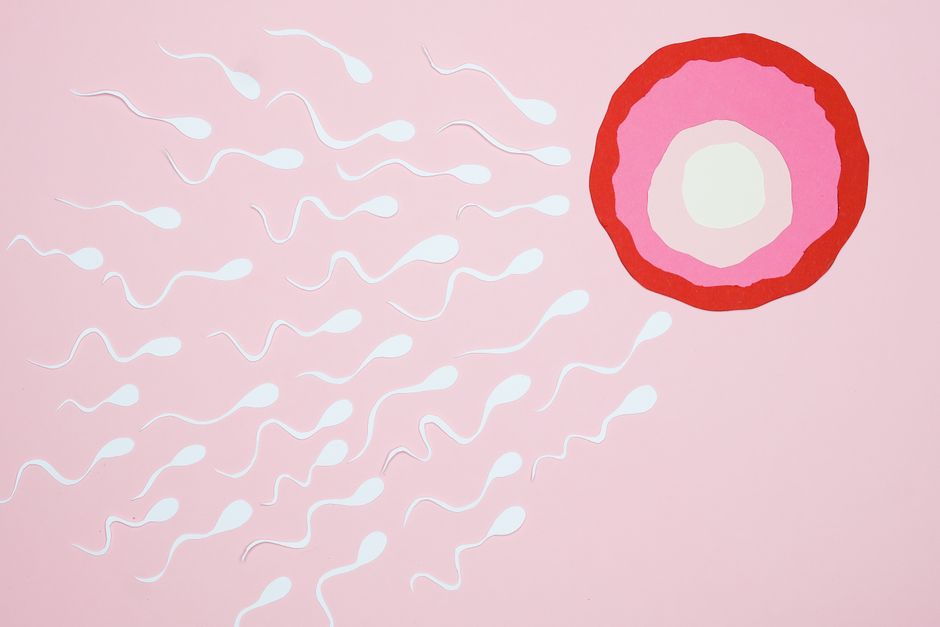
Ovulation is a single event that lasts only about 12 to 24 hours. But the window in which pregnancy is possible is longer — roughly five days before ovulation plus the day of ovulation itself. That means timing, not just the event, is what matters.
The ovulation cycle is not a clock you can set once and forget. It shifts with stress, illness, sleep, travel, and age. Understanding how long each phase lasts — and how much those phases can vary — is the difference between guessing and knowing.
How Long Is the Ovulation Cycle Timing Explained?
A full menstrual cycle runs from the first day of one period to the first day of the next. For most adults, that is 21 to 35 days. Ovulation typically happens about 14 days before the next period starts — not necessarily on day 14 of the cycle.
This distinction matters. The follicular phase (before ovulation) can stretch or shrink. The luteal phase (after ovulation) is more consistent, generally lasting 12 to 14 days. So if your cycle is 30 days, ovulation is more likely around day 16. If your cycle is 24 days, it may be closer to day 10.
The ovulation event itself — the release of a mature egg from the ovary — takes only minutes. The egg then survives for about 12 to 24 hours. Sperm, by contrast, can survive in the female reproductive tract for up to five days under favorable conditions. That asymmetry is why the fertile window opens before ovulation, not after.
What Happens During Ovulation?
Ovulation is the culmination of a hormonal sequence that begins at the start of your cycle. Estrogen rises as a dominant follicle matures in one ovary. When estrogen reaches a certain threshold, it triggers a sharp surge in luteinizing hormone (LH) from the pituitary gland.
The LH surge is the direct trigger for ovulation. It typically occurs 24 to 36 hours before the egg is released. This is the hormone that at-home ovulation predictor kits detect in urine.
After the egg is released, the ruptured follicle transforms into a structure called the corpus luteum. It produces progesterone, which thickens the uterine lining and prepares it for a possible pregnancy. If no pregnancy occurs, the corpus luteum breaks down, progesterone drops, and the lining sheds as a period.
If pregnancy does occur, the developing embryo produces human chorionic gonadotropin (hCG), which maintains the corpus luteum and keeps progesterone levels up. This is the same hormone detected by pregnancy tests.
How Can You Track Ovulation Timing?
Several methods exist, and they vary in accuracy. No single method is perfect, and combining two or more tends to give a clearer picture.
- Calendar tracking: Counts days based on past cycle lengths. Works best for people with very regular cycles. Less reliable for anyone with irregular cycles.
- Ovulation predictor kits (OPKs): Detect the LH surge in urine. A positive result usually means ovulation is likely within the next 24 to 36 hours. These kits do not confirm that ovulation actually happened — only that the surge occurred.
- Basal body temperature (BBT): A slight rise in resting temperature typically follows ovulation by a day or two. This confirms ovulation after the fact but cannot predict it in advance.
- Cervical mucus monitoring: Mucus becomes clearer, stretchier, and more slippery near ovulation. This is an observable sign but requires practice to interpret.
- Progesterone blood test: A doctor can measure progesterone levels in the second half of the cycle to confirm that ovulation occurred.
Tracking apps that rely only on calendar data can be misleading. Research suggests that even among people with regular cycles, ovulation does not always occur on the same day each month. A study published in the journal Human Reproduction found that fewer than half of women in the study ovulated on the day their app or calendar method would have predicted.





Does Ovulation Timing Change With Age?
Yes. Ovulation timing and cycle regularity shift across a person’s reproductive lifespan. In the years immediately after menarche, cycles are often irregular because the hormonal feedback loop between the brain and ovaries is still maturing. Cycles may be longer, shorter, or unpredictable.
In the years leading up to menopause — a phase called perimenopause — cycles can become irregular again. Ovulation may happen earlier or later, or it may not happen at all in some cycles. The luteal phase may also shorten.
Age does not change the fundamental biology of the fertile window. Sperm still survive up to five days, and the egg still lives 12 to 24 hours. What changes is the predictability of when ovulation occurs.
Can You Ovulate More Than Once in a Cycle?
Ovulating twice in a single cycle — releasing two eggs on separate days — is rare but possible. When two eggs are released, they are usually released within a short time of each other, often within 24 hours. This can result in fraternal (non-identical) twins if both are fertilized.
What does not happen is a second ovulation days or weeks after the first in the same cycle. Once the corpus luteum forms and progesterone rises, the hormonal environment suppresses further ovulation until the next cycle begins.
Some people mistake mid-cycle spotting or a second LH surge for a second ovulation. An LH surge can occur without ovulation, and some people have more than one surge in a cycle. Only one of those surges typically leads to egg release.
What Affects the Length of the Fertile Window?
The fertile window is defined by sperm survival and egg survival. Sperm survival depends on the quality of cervical mucus. When estrogen is high, mucus becomes more hospitable and sperm can survive longer — up to five days. When estrogen is low, sperm die within hours.
The egg’s survival is fixed at roughly 12 to 24 hours regardless of other factors. This means the fertile window is essentially determined by how long sperm can wait for the egg to arrive.
Factors that can shift ovulation timing include:
- Significant stress or illness
- Major sleep disruption or shift work
- Travel across time zones
- Significant weight loss or weight gain
- Intense exercise regimens
- Thyroid dysfunction or other endocrine conditions
- Certain medications, including some antidepressants and chemotherapy agents
These factors do not change the biology of the fertile window. They change when it opens.
How Accurate Are Ovulation Calculators?
Ovulation calculators estimate timing based on average cycle length. They assume ovulation occurs 14 days before the next period. That assumption is reasonable for many people but not all.
For someone with a consistent 28-day cycle, a calculator may be reasonably close. For someone with cycles that range from 26 to 32 days, the calculator cannot account for that variation. It will give a single date that may or may not reflect what is actually happening.
No calculator can detect the LH surge, confirm that an egg was released, or account for anovulatory cycles (cycles in which no egg is released). If timing matters for conception or contraception, combining a calculator with OPKs or other tracking methods gives more reliable information.
When Should You Talk to a Doctor About Ovulation?
If you have been trying to conceive for 12 months without success (or six months if you are over 35), it is reasonable to seek evaluation. If your cycles are consistently shorter than 21 days or longer than 35 days, or if you have no periods for three months or more, that also warrants a conversation with a healthcare provider.
Signs that ovulation may not be occurring include very light or absent periods, cycles that vary widely in length, and no detectable LH surge across multiple cycles. A doctor can order blood tests to check hormone levels and determine whether ovulation is happening.
Some clinicians recommend tracking for a few cycles before seeking help, simply to gather data. Others may recommend earlier evaluation depending on medical history. There is no single right timeline for everyone — the decision depends on individual circumstances.
Frequently Asked Questions
How many days after ovulation can you get pregnant?
The egg survives about 12 to 24 hours after release. Pregnancy is only possible if sperm are already present when the egg is released, or if intercourse occurs within that short window.
Can you ovulate on day 10 of your cycle?
Yes. In a shorter cycle — for example, 24 days — ovulation around day 10 is possible. Ovulation timing depends on cycle length, not a fixed day.
How do I know if I ovulated?
A sustained rise in basal body temperature or a blood progesterone test can confirm that ovulation occurred. OPKs detect the LH surge but do not confirm that an egg was actually released.
Can stress delay ovulation?
Yes. Significant physical or emotional stress can delay the LH surge and push ovulation later in the cycle. This is one reason calendar-based predictions can be unreliable.
