
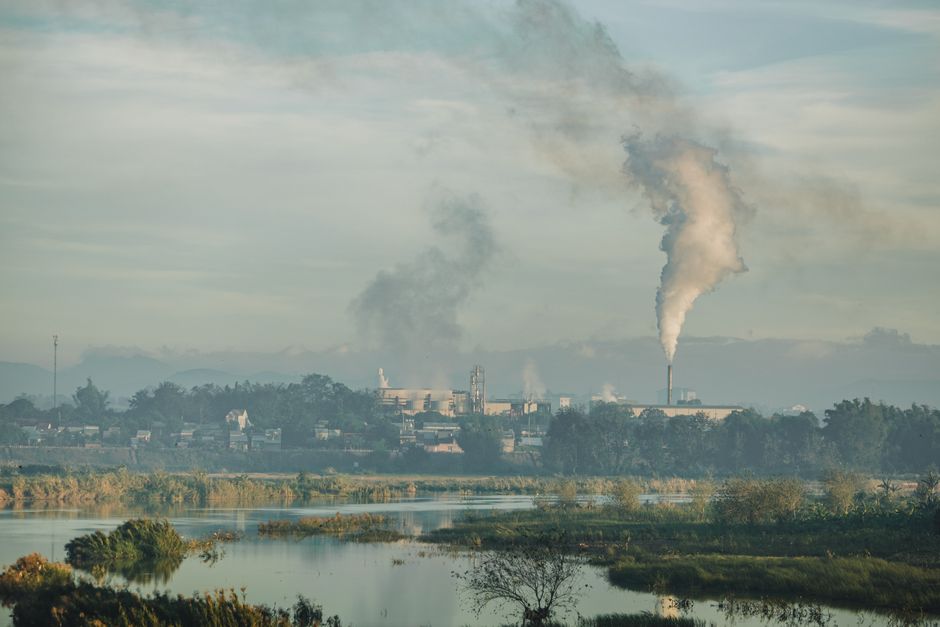
Air pollution comes from many places, but most of it traces back to human activity. Burning fossil fuels for energy, transportation, and industry releases the vast majority of harmful pollutants. Natural events like wildfires and volcanic eruptions also contribute, but they are not the main drivers of the chronic air quality problems in most cities. Understanding the specific sources is the first step toward reducing exposure and supporting cleaner air policies.
What Are the Main Human-Made Sources of Air Pollution?
The largest share of air pollution comes from burning fossil fuels. Coal, oil, and natural gas release a complex mixture of gases and particles when burned. These include carbon monoxide, nitrogen oxides, sulfur dioxide, and fine particulate matter.
Transportation is a major contributor. Cars, trucks, buses, ships, and airplanes all burn petroleum-based fuels. Gasoline and diesel engines produce exhaust that contains hundreds of chemical compounds. Diesel engines are particularly significant sources of fine particles and nitrogen oxides in urban areas.
Power generation is another heavy hitter. Many power plants still burn coal or natural gas to produce electricity. Coal combustion is one of the largest industrial sources of sulfur dioxide and mercury emissions. Natural gas burns cleaner than coal, but it still produces nitrogen oxides and carbon dioxide.
Industrial facilities release pollutants from multiple steps in their processes. Manufacturing plants, refineries, chemical producers, and cement factories emit gases and particles. Some of these are controlled by regulation, but older facilities and illegal operations can still release significant amounts.
How Does Household Activity Contribute to Air Pollution?
Indoor sources matter more than most people realize. Cooking with gas stoves releases nitrogen dioxide and carbon monoxide. Burning wood in fireplaces or stoves produces fine particles and volatile organic compounds. Candles, incense, and air fresheners also add pollutants to indoor air.
Household products are a quieter but real source. Paints, solvents, cleaning agents, and personal care products evaporate chemicals into the air. These are called volatile organic compounds, or VOCs. Indoors, their concentrations can be two to five times higher than outdoor levels, according to environmental health research.
Tobacco smoke remains one of the most concentrated indoor pollutants. It contains thousands of chemicals, many of which are known carcinogens. Secondhand smoke exposure is a well-documented health risk, particularly for children and people with respiratory conditions.
Outdoor residential sources also matter. Gas-powered lawn equipment like mowers and leaf blowers produce surprising amounts of pollution. A single hour of gas mowing can emit as many volatile organic compounds as a multi-mile car trip.
What Role Do Natural Sources Play in Air Pollution?
Natural events can produce massive air pollution episodes, but they are usually temporary. Wildfires are the most dramatic example. They release enormous clouds of smoke containing fine particles, carbon monoxide, and other toxic compounds. Wildfire smoke can travel hundreds of miles and degrade air quality far from the fire itself.
Volcanic eruptions inject gases and ash high into the atmosphere. Sulfur dioxide from volcanoes can create volcanic smog, sometimes called vog. These events are unpredictable and can have global effects on air quality and climate.
Plants and trees release organic compounds naturally. These compounds react with nitrogen oxides in sunlight to form ground-level ozone. This is why ozone levels often spike in summer in areas with heavy tree cover and vehicle traffic.
Dust storms pick up soil particles and carry them across regions. This is more common in arid areas but can affect air quality in distant cities. Pollen is another natural airborne particle that triggers allergic responses, though it is not typically classified as pollution in the same way as industrial emissions.





What Exactly Is Particulate Matter and Why Does It Matter?
Particulate matter, often called PM, is a mixture of solid particles and liquid droplets in the air. The two size categories that matter most for health are PM10 and PM2.5.
PM10 includes particles smaller than 10 micrometers. These are about one-seventh the width of a human hair. They include dust, pollen, and mold spores. PM10 particles can irritate the eyes, nose, and throat.
PM2.5 refers to particles smaller than 2.5 micrometers. These are roughly 30 times smaller than a human hair. They are the most dangerous because they are small enough to bypass the body’s natural defenses. They can penetrate deep into the lungs and enter the bloodstream.
The composition of PM2.5 varies by source. Combustion processes produce particles coated with heavy metals, organic compounds, and acids. These particles can trigger inflammation throughout the body. Long-term exposure is linked to cardiovascular disease, respiratory illness, and premature death.
How Do Nitrogen Oxides and Sulfur Dioxide Harm Air Quality?
Nitrogen oxides, or NOx, form when fuel burns at high temperatures. Vehicles and power plants are the primary sources. NOx contributes to the formation of ground-level ozone and particulate matter. It also reacts with water in the atmosphere to produce acid rain.
Sulfur dioxide comes mainly from burning sulfur-containing fuels like coal and heavy oil. Industrial processes such as metal smelting also release it. Sulfur dioxide is a respiratory irritant on its own. In the atmosphere, it converts to sulfate particles that make up a large fraction of PM2.5.
Both NOx and sulfur dioxide are regulated under clean air laws in the United States. Emission controls on vehicles and power plants have substantially reduced their levels since the 1970s. However, areas with heavy traffic or industrial activity can still experience elevated concentrations.
What Is Ground-Level Ozone and How Is It Created?
Ground-level ozone is not emitted directly. It forms through chemical reactions in the atmosphere. Nitrogen oxides and volatile organic compounds react in the presence of sunlight to create ozone.
This is why ozone is called a secondary pollutant. It is a summertime problem in most regions because sunlight drives the reactions. Ozone levels typically peak in the afternoon on hot, sunny days.
Ozone is a powerful oxidant. It damages lung tissue even at relatively low concentrations. People with asthma, children, and older adults are most sensitive. Short-term exposure can cause coughing, throat irritation, and chest pain. Long-term exposure is associated with reduced lung function.
Urban areas often have higher ozone levels downwind of the city center. The precursor chemicals travel on prevailing winds, so rural communities can experience ozone pollution from distant urban sources.
What Are the Biggest Air Pollution Trends in the United States?
Overall air quality in the United States has improved significantly over the past several decades. Federal regulations on vehicles, power plants, and industrial facilities have driven large reductions in common pollutants. Lead emissions dropped dramatically after the phaseout of leaded gasoline. Sulfur dioxide levels fell as power plants installed scrubbers and switched to cleaner fuels.
Some challenges remain. Wildfire smoke has increased in frequency and intensity in western states. Ozone remains a problem in many metropolitan areas. And newer research on fine particles suggests that health effects occur at levels previously considered safe.
Indoor air quality has gained more attention in recent years. People spend roughly 90 percent of their time indoors, according to time-use studies. This makes indoor sources a significant part of total exposure, even though they are not counted in outdoor air quality measurements.
What Can Individuals Do to Reduce Air Pollution Exposure?
Checking local air quality forecasts is a practical first step. Many weather apps and websites report the Air Quality Index, or AQI. When the AQI is elevated, reducing outdoor exertion can lower exposure.
Indoor air can be improved with simple measures. Ventilation helps dilute pollutants from cooking and cleaning. High-efficiency particulate air filters, commonly called HEPA filters, can remove particles from indoor air. Portable air cleaners with HEPA filters are effective at reducing PM2.5 indoors.
Reducing personal contributions matters too. Walking, biking, or using public transit instead of driving lowers emissions. Choosing electric or manual lawn equipment avoids gasoline exhaust. Avoiding wood burning on poor air quality days helps both indoor and neighborhood air.
Why Does Air Pollution Affect Some People More Than Others?
Children breathe faster than adults and their lungs are still developing. They also spend more time outdoors and have higher air intake per pound of body weight. This makes them more vulnerable to pollution-related health effects.
Older adults face higher risks because of age-related changes in lung function and a higher prevalence of heart and lung disease. People with asthma, COPD, diabetes, or cardiovascular conditions are also more sensitive to air pollution.
Income and location play a role that is often overlooked. Lower-income neighborhoods are more likely to be near highways, industrial facilities, and other pollution sources. This means the people who are least able to move or afford filtration systems often face the highest exposures.
Frequently Asked Questions
What is the single biggest source of air pollution?
Burning fossil fuels for energy and transportation is the largest overall source. Power plants and vehicles together account for most regulated pollutants in the United States.
Is indoor air pollution worse than outdoor air pollution?
Indoor air can be two to five times more polluted than outdoor air in many homes. The indoor environment matters more because people spend most of their time inside.
Can air purifiers actually help with air pollution?
Portable air cleaners with HEPA filters can meaningfully reduce particle concentrations indoors. They are most effective when the room is closed and the unit is sized for the space.
Does air pollution affect healthy people or only those with existing conditions?
Healthy people can experience symptoms from short-term exposure, particularly during high pollution events. Long-term exposure carries health risks for everyone, though people with existing conditions face higher and more immediate danger.
