
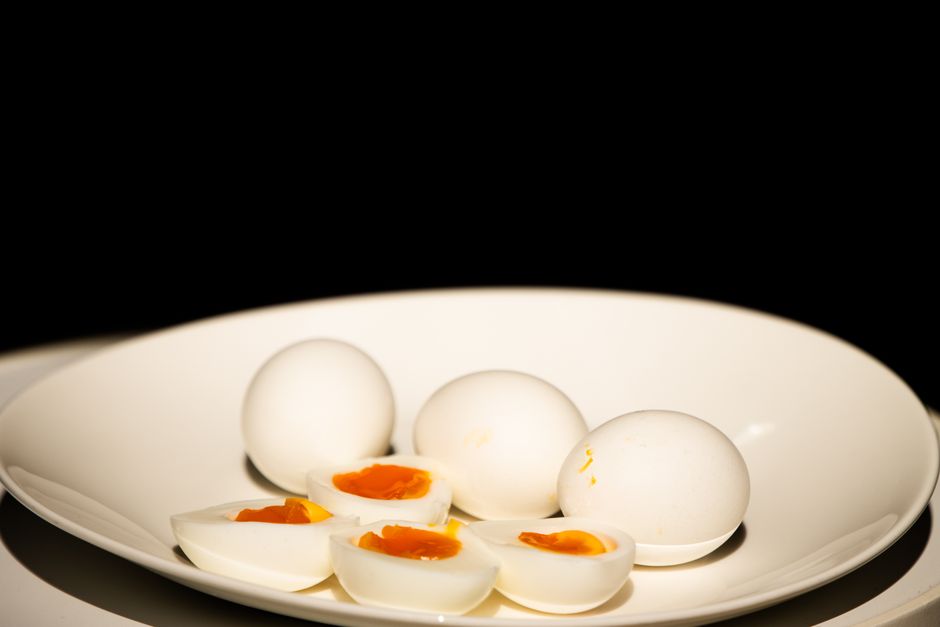
A hard boiled egg is safe to eat for up to one week when stored in the refrigerator. This seven-day window is the standard food safety guideline recognized by the USDA. After that point, the quality declines and the risk of bacterial growth increases, so it is best to throw them out.
How Long Is Hard Boiled Egg Good in the Refrigerator?
The answer is seven days. This applies to eggs that are peeled or still in the shell. The USDA clearly states that hard boiled eggs should be used within one week of cooking.
This rule assumes you refrigerate them promptly after cooking. Leaving them at room temperature for more than two hours resets the clock. At that point, the eggs enter the danger zone where bacteria multiply rapidly, and you should discard them regardless of how long they have been in the fridge.
The shell matters more than you might think. Cooking removes the natural protective coating on the outside of the eggshell. This coating, called the bloom, normally keeps bacteria from entering the egg. Boiling washes it away, leaving the shell porous and vulnerable. That is exactly why hard boiled eggs do not last as long as raw eggs in the shell.
How Long Do Hard Boiled Eggs Last at Room Temperature?
Hard boiled eggs should not sit at room temperature for more than two hours. If the room is warmer than 90°F, that window drops to one hour. This is not a suggestion—it is a food safety standard based on how quickly bacteria can multiply in perishable foods.
The two-hour rule applies to the total time the eggs are out. This includes the time they spend cooling after boiling. If you boil eggs and leave them on the counter to cool for an hour, then take them to a picnic for another hour, they have already reached the limit.
If you are unsure how long eggs have been sitting out, the safest choice is to throw them away. Bacterial growth on eggs does not always produce a visible or smelly sign. An egg can look and smell normal while still carrying enough bacteria to make you sick.
How Long Do Peeled Hard Boiled Eggs Last?
Peeled hard boiled eggs last the same amount of time as unpeeled ones: about seven days in the refrigerator. However, peeled eggs require different storage. They need to be kept in a covered container with a damp paper towel or submerged in cold water in a sealed container.
Change the water daily if you store peeled eggs in water. This keeps the eggs from absorbing odors and prevents the water from becoming a breeding ground for bacteria. A peeled egg left exposed in the fridge will dry out and pick up odors from other foods quickly.
The one-week rule still applies to peeled eggs. Even with perfect storage, a peeled egg will not outlast its unpeeled counterpart. The clock starts the moment the egg is cooked, not when you peel it.





How Can You Tell If a Hard Boiled Egg Has Gone Bad?
Your senses are your first line of defense. A spoiled hard boiled egg often has a distinct sulfur smell. While fresh hard boiled eggs have a mild sulfur scent, a bad egg smells noticeably stronger and more unpleasant. If the smell makes you pause, trust that instinct.
Look for changes in texture and appearance. A fresh hard boiled egg white is firm and white. If the egg white turns slimy, chalky, or develops a gray-green ring around the yolk that seems excessive, it is past its prime. A small gray-green ring around the yolk is actually normal and comes from a chemical reaction between iron and sulfur in the egg. It does not mean the egg is spoiled.
Here are signs that a hard boiled egg should be discarded:
- A strong, foul, or rotten odor
- A slimy or sticky texture on the egg white
- A chalky or powdery feel to the shell
- Visible mold, which is rare but possible
- An off or unpleasant taste
Remember that these signs do not always appear. The USDA advises that perishable foods can be unsafe to eat even when they look and smell fine. If the egg is past the seven-day mark, do not rely on your senses to decide. The date on the calendar is the more reliable indicator.
How Should You Store Hard Boiled Eggs?
Refrigeration is non-negotiable. Hard boiled eggs must go in the refrigerator within two hours of cooking. Place them in the fridge while they are still warm if needed. Contrary to old advice, putting warm food in the refrigerator is safe and actually recommended by food safety experts.
Keep the eggs in their shells if you plan to store them for several days. The shell provides a barrier against bacteria and helps the eggs retain moisture. Store them in a carton or a covered container, not on the refrigerator door. The door experiences temperature fluctuations every time it opens, which can shorten the shelf life.
The best spot is a middle shelf in the main body of the refrigerator, where the temperature stays most consistent. Your fridge should be at or below 40°F. If you are not sure your fridge is cold enough, a simple appliance thermometer can confirm it.
Why Do Hard Boiled Eggs Spoil Faster Than Raw Eggs?
The cooking process changes the egg’s natural defenses. Raw eggs in the shell have a protective coating called the bloom. This thin layer seals the pores in the shell and keeps bacteria out. It also helps the egg stay fresh for several weeks when refrigerated.
Boiling removes this coating. The heat also expands the egg slightly, which can push some of the protective layer off. With the bloom gone, the shell becomes a porous surface that bacteria can penetrate. The cooked egg white also provides a moist, protein-rich environment that bacteria thrive in.
There is another factor at play. In the United States, commercially sold eggs are washed before they reach stores. This washing process removes the bloom from raw eggs too, which is why American eggs must be refrigerated from the moment they are sold. In countries where eggs are not washed, raw eggs can sit on shelves at room temperature. But once you boil an egg anywhere, the protective barrier is gone.
Can You Freeze Hard Boiled Eggs?
You can freeze hard boiled eggs, but the texture will change. The egg whites become rubbery and watery when frozen and thawed. This happens because freezing damages the protein structure in the white. The yolks freeze better, but they also change texture.
If you want to freeze them, only freeze the yolks. Place the yolks in a freezer-safe container and cover them with water to prevent drying out. They will keep for about three months. Frozen yolks work well in recipes like egg salad or as a topping for salads, but they are not pleasant to eat on their own.
Freezing whole hard boiled eggs is not recommended. The texture change makes them unappealing, and no amount of reheating will restore the original consistency. If you have more eggs than you can eat in a week, consider using them in a recipe or sharing them rather than freezing.
Is It Safe to Eat a Hard Boiled Egg After 10 Days?
No. A hard boiled egg that has been refrigerated for ten days is past the safe consumption window. The seven-day guideline is based on the maximum time that the egg is likely to remain safe from bacterial growth. After that point, the risk of foodborne illness increases significantly.
This is not a case where the risk is theoretical. Hard boiled eggs have been linked to cases of food poisoning, particularly from Salmonella. The CDC and USDA both recommend discarding hard boiled eggs after seven days. This guidance is consistent across all major food safety organizations.
Some people will eat eggs past the seven-day mark and not get sick. That does not mean it is safe. Food safety guidelines are designed to protect everyone, including people with weaker immune systems. The cost of throwing away an egg is far lower than the cost of a serious gastrointestinal infection.
Does the Expiration Date on the Carton Matter?
The expiration date on the egg carton refers to the raw eggs, not the cooked ones. A carton date tells you how long the raw eggs will stay fresh. Once you boil the eggs, a new seven-day clock starts, regardless of what the carton says.
If the raw eggs were close to their expiration date when you boiled them, the cooked eggs will not last longer. The cooking process kills bacteria that are present, but it does not stop new bacteria from growing on the cooked egg. The seven-day rule applies equally to eggs boiled on day one of the carton and eggs boiled on the last day.
Always start with raw eggs that are fresh. Check the carton for any cracks or leaks before buying. Cracked shells allow bacteria to enter the egg before you even cook it. If you notice cracks after boiling, discard those eggs.
Frequently Asked Questions
How long are hard boiled eggs good in the fridge?
Hard boiled eggs are good for up to seven days in the refrigerator. This applies whether they are peeled or still in the shell.
Can you eat hard boiled eggs after a week?
No, you should not eat hard boiled eggs after seven days. The risk of bacterial growth increases significantly after that point.
How long can hard boiled eggs sit out?
Hard boiled eggs can sit out for up to two hours at room temperature. In temperatures above 90°F, that time drops to one hour.
Do hard boiled eggs need to be refrigerated?
Yes, hard boiled eggs must be refrigerated within two hours of cooking. Refrigeration slows bacterial growth and keeps the eggs safe to eat.
