
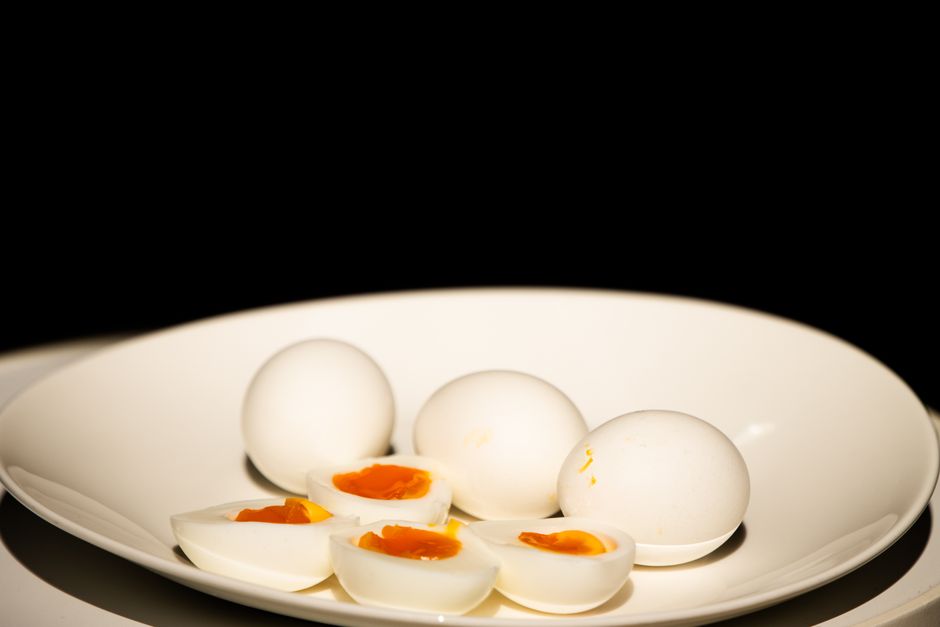
Boiling a dozen eggs at once sounds simple, but the timing is everything. If you want hard-boiled eggs with solid yolks and no green ring, boil them for 10 to 12 minutes. For soft-boiled eggs with runny yolks, aim for 6 to 7 minutes. The exact time depends on your stove, your pot, and whether you start with cold or boiling water. This guide gives you the specific times and the method that works every time.
How Long To Boil 12 Eggs for Different Doneness Levels?
The cooking time changes based on how you like your yolks. Here are the standard times for large eggs straight from the fridge, placed into already boiling water.
For soft-boiled eggs with a liquid yolk, cook for exactly 6 minutes. The white will be fully set but tender. For medium-boiled with a jammy, slightly soft yolk, cook for 8 minutes. This is the sweet spot for salads or ramen. For hard-boiled with a fully firm yolk, cook for 10 to 12 minutes. At 10 minutes the yolk is just set and bright yellow. At 12 minutes it is fully firm and pale yellow. Do not go past 13 minutes or the yolk develops a gray-green layer.
| Doneness | Boiling Time | Yolk Texture |
|---|---|---|
| Soft-boiled | 6 minutes | Runny |
| Medium-boiled | 8 minutes | Jammy, slightly soft |
| Hard-boiled | 10 minutes | Set, bright yellow |
| Hard-boiled (well done) | 12 minutes | Firm, pale yellow |
These times assume you are using large eggs. Extra-large or jumbo eggs need 1 to 2 more minutes. Small eggs need 1 to 2 minutes less.
What Is the Best Method for Boiling 12 Eggs at Once?
There are two main methods. The first is starting with cold water. The second is lowering eggs into boiling water. Research and home cooks agree the boiling water method gives more consistent results.
To boil 12 eggs using the boiling water method, fill a large pot with enough water to cover the eggs by at least one inch. Bring the water to a full rolling boil. Use a slotted spoon or a strainer to gently lower the eggs into the water one at a time. Do not drop them in. The shock of the hot water can crack the shells. Once all eggs are in, set a timer for your desired doneness.
Starting with cold water is common but less reliable. The eggs heat up slowly, which can make peeling harder. The cold water method also makes it harder to predict the exact cooking time because the water takes longer to return to a boil. The boiling water method gives you a precise start time and a predictable result.
How Do You Prevent Green Yolks and Cracking?
A green ring around the yolk is not harmful, but it looks unappetizing. It happens when eggs are overcooked. The iron in the yolk reacts with sulfur in the white. This chemical reaction starts at around 13 minutes of boiling. To avoid it, pull the eggs at 10 to 12 minutes and cool them immediately.
Cooling stops the cooking process fast. After the timer goes off, drain the hot water and transfer the eggs to a bowl of ice water. Let them sit for at least 5 minutes. If you do not have ice, run cold tap water over them for several minutes. The rapid temperature drop also makes peeling easier.
Cracking happens for a few reasons. Eggs straight from the fridge are cold, and the sudden heat expands the air pocket inside the shell, causing it to crack. To reduce cracking, let the eggs sit at room temperature for 10 minutes before boiling. Another trick is to poke a tiny hole in the rounded end of the egg with a pin. This lets air escape slowly. Some people add a teaspoon of salt or vinegar to the water. The salt may help the whites set faster if a crack does happen. The vinegar can help seal small cracks. Neither method is guaranteed, but they do not hurt.





Does the Age of the Egg Affect How Long To Boil 12 Eggs?
Yes, the age of the egg matters more than most people realize. Fresher eggs are harder to peel. Eggs that are a week or two old peel much easier. This is because the pH level of the white changes over time. As the egg ages, the white becomes less acidic and pulls away from the inner shell membrane.
If you are boiling eggs you bought yesterday, expect some peeling frustration. If you have eggs that are 7 to 10 days old, the shells should come off cleanly. This is a known fact in food science. The USDA and food labs have confirmed this. So if you can, plan ahead. Buy your eggs a week before you plan to boil them.
Some people report that steaming eggs instead of boiling them makes peeling easier regardless of age. Steaming uses the same timing as boiling. Place eggs in a steamer basket over boiling water and cover. The heat is gentler and the shells often come off more easily. Strong evidence for this is limited, but many home cooks swear by it. It is worth trying if you have peeling trouble.
How Should You Store Boiled Eggs After Cooking?
Boiled eggs need to go into the refrigerator within two hours of cooking. The USDA states that cooked eggs are safe at room temperature for no more than two hours. After that, bacteria can grow. If you are making eggs for the week, cool them in ice water first, then dry them off and put them in the fridge.
Keep the shells on until you are ready to eat them. The shell protects the egg from absorbing odors and from drying out. Boiled eggs in their shells last up to one week in the refrigerator. Peeled eggs should be eaten within a few days. Store peeled eggs in a container covered with a damp paper towel to keep them from drying out.
Do not freeze boiled eggs. The whites become rubbery and watery when thawed. The texture is unpleasant. If you have more eggs than you can eat in a week, consider pickling them. Pickled boiled eggs last for several weeks in the fridge and have a completely different flavor profile.
What Are Common Mistakes When Boiling 12 Eggs?
The most common mistake is overcrowding the pot. If you use a pot that is too small, the eggs bump into each other and crack. Use a pot wide enough so the eggs sit in a single layer with space between them. A 5-quart pot works well for a dozen large eggs.
Another mistake is boiling at a furious boil for the entire time. A gentle rolling boil is better. A violent boil can cause the eggs to bounce and crack. It also cooks the outer white too fast while the center stays undercooked. Keep the heat at medium-high once the water is boiling.
Many people skip the ice bath. This is the step that stops cooking instantly. Without it, the residual heat in the yolk continues cooking for another minute or two. That extra time can turn a perfect 10-minute egg into an overdone 12-minute egg. Always use ice water.
Some people also forget to label their eggs in the fridge. If you have raw and boiled eggs together, it is easy to grab the wrong one. Mark the shells with a pencil or store boiled eggs in a clearly labeled container. This prevents confusion and waste.
Frequently Asked Questions
How long to boil 12 eggs for hard-boiled?
Boil them for 10 to 12 minutes for fully hard yolks. Start the timer after lowering the eggs into boiling water.
Should I start with cold water or boiling water for 12 eggs?
Start with boiling water for the most consistent results. Cold water makes timing less predictable and can make peeling harder.
How do I peel 12 boiled eggs quickly?
Cool them in ice water for at least 5 minutes, then crack the shell all over and roll the egg gently under your palm. The shell should come off in large pieces.
Can I boil 12 eggs in the same pot at once?
Yes, as long as the pot is wide enough for a single layer of eggs with space between them. A 5-quart pot is usually large enough.
