
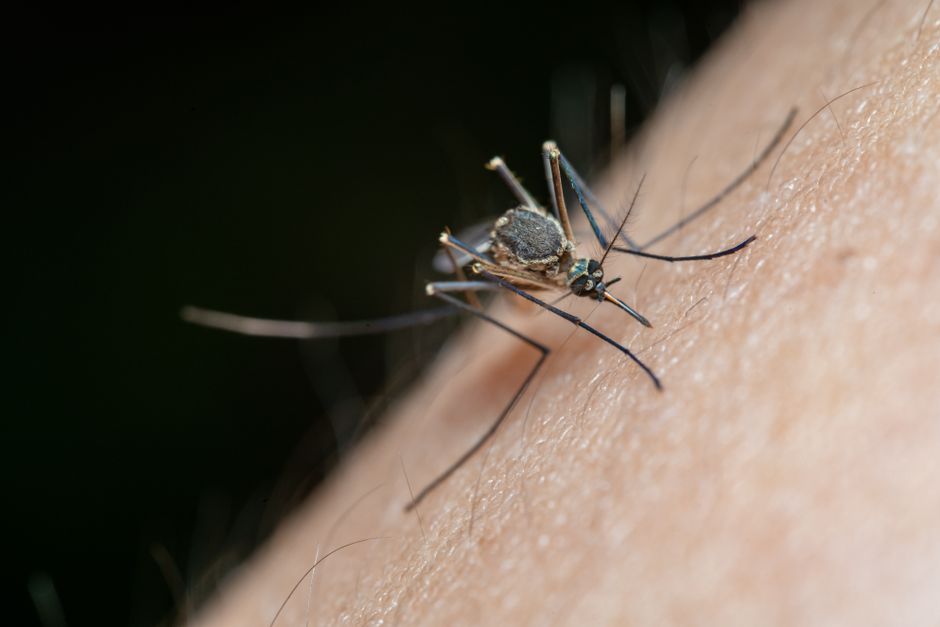
A mosquito bite usually stops itching within three to four days, though the red bump can linger for up to a week. Some people clear a bite in a day. Others, especially those with stronger reactions or darker skin, may see marks that last for weeks. The timeline depends less on the mosquito and more on how your immune system responds to it.
That response is the whole story. The itch, the swelling, and the redness are not caused by the bite itself. They are caused by your body reacting to proteins in the mosquito’s saliva. Understanding that changes how you treat bites and how long you should expect them to last.
What Happens When a Mosquito Bites You?
A female mosquito needs blood to develop her eggs. When she pierces your skin, she injects saliva that contains proteins which thin your blood and keep it flowing. Your immune system recognizes those proteins as foreign.
In response, your body releases histamine and other chemical signals. Histamine widens blood vessels near the bite and makes them leak fluid into surrounding tissue. That is what produces the raised, red, itchy bump known as a wheal. The itch is not a sign of damage. It is a sign of immune activity.
This is why a bite does not itch the instant it happens. The mosquito is long gone before the reaction builds. Most people notice the sensation within minutes, but the full bump can take longer to appear.
How Long Does a Mosquito Bite Itch Last?
For most people, the itch peaks within 20 to 30 minutes and fades over a few hours. The bump itself can stay for several days, and mild itching may return in waves during that time.
If you scratch, you can restart the cycle. Scratching damages skin and prompts another round of histamine release. That is why a bite you leave alone often settles faster than one you keep touching.
People who have been bitten many times may react less over the years. Their immune systems become desensitized to the saliva proteins. Children and people new to a region often have larger, longer-lasting reactions than long-term residents.
Why Do Some Bites Last Longer Than Others?
Your immune system’s history matters more than the mosquito. A first exposure to a particular mosquito species can trigger a bigger reaction than the tenth. Travel to a new region often brings bites that seem worse simply because your body has not seen those saliva proteins before.
Skin tone plays a role in how bites look, not how long they last. On darker skin, inflammation can leave a dark spot called post-inflammatory hyperpigmentation. These marks are not scars and are not caused by the bite itself. They come from the immune response and can take weeks or months to fade.
Some people develop a condition called skeeter syndrome, a more intense allergic reaction to mosquito saliva. It causes large, swollen, warm areas that can last for days and occasionally require medical care. It is uncommon but real, and it is different from a normal bite.
Secondary infection is another reason a bite can last longer than expected. If bacteria enter through broken skin, the bite can become infected. Signs include increasing pain, spreading redness, warmth, and pus. An infected bite needs medical attention.



When Should You See a Doctor About a Mosquito Bite?
Most bites need no medical care. But some signs mean you should not wait.
- Redness that spreads well beyond the original bite
- Increasing pain or warmth days after the bite
- Pus or a foul smell
- Fever, chills, or feeling generally unwell
- Swelling of the face, lips, or throat
- A bite that keeps getting worse after 48 hours
Fever and body aches after a bite in an area where mosquito-borne diseases occur deserve prompt attention. Mosquitoes in some regions transmit viruses such as West Nile, dengue, chikungunya, and Zika. Symptoms usually appear days after the bite, not immediately. If you have traveled to an area with known transmission and feel sick, tell a doctor where you have been.
What Actually Helps a Mosquito Bite Heal Faster?
There is no treatment that removes a bite. You can only manage the reaction while it runs its course.
Washing the area with soap and water reduces the chance of infection. A cold compress or an ice pack wrapped in cloth can ease swelling and numb the itch. Over-the-counter antihistamines may reduce itching and swelling, and topical hydrocortisone can calm local inflammation. These do not shorten the bite’s life, but they make it more tolerable.
Resist scratching. It is the single most useful thing you can do. Keep fingernails short, especially for children, and consider covering a bite at night if you scratch in your sleep.
Some people find calamine lotion or oatmeal baths soothing. The evidence for these is mostly about comfort, not healing speed. They are safe for most people and worth trying if they help you leave the bite alone.
Do not apply ice directly to skin. Do not use alcohol or hydrogen peroxide on a closed bite. And do not assume a bite is harmless just because it looks small.
How Can You Prevent Mosquito Bites in the First Place?
Prevention is more effective than treatment. Mosquitoes are most active at dawn and dusk, though some species bite during the day.
Use an EPA-registered insect repellent. Products containing DEET, picaridin, IR3535, or oil of lemon eucalyptus are supported by evidence. Follow label instructions, especially for children. The CDC recommends repellents for anyone over two months old, with specific guidance for infants.
Wear long sleeves and pants when possible. Light-colored clothing may attract fewer mosquitoes. Remove standing water around your home, since even small containers can become breeding sites.
Screens on windows and doors, and air conditioning, reduce indoor exposure. If you travel to areas with mosquito-borne disease, check current guidance before you go. Recommendations change as outbreaks shift.
Do Mosquito Bites Leave Scars?
Normal mosquito bites do not scar. The bump fades because the inflammation resolves and the skin returns to its usual state.
What people often mistake for scars are dark marks from post-inflammatory hyperpigmentation. These are flat, not raised, and they fade over time. They are more common on darker skin and after repeated scratching.
True scarring can happen if a bite becomes infected and heals poorly, or if scratching breaks the skin deeply. That is another reason to keep hands off.
Sun exposure can darken these marks and slow their fading. Daily sunscreen on affected areas may help them clear sooner.
How Long Does a Mosquito Bite Last Compared to Other Insect Bites?
Mosquito bites tend to resolve faster than many other insect bites. A typical mosquito bite itches for hours and fades within a few days. Flea bites often cluster and last longer. Spider bites can take weeks and may need medical care. Tick bites can persist and carry disease risk.
If you are unsure what bit you, look at the pattern. Mosquito bites are usually single or scattered. Flea bites often appear in lines or groups on the ankles and lower legs. Tick bites may leave a expanding rash, which needs medical evaluation.
The timeline for any bite depends on your reaction, not just the insect. A mosquito bite on one person can last a day. On another, a week. Both can be normal.
Frequently Asked Questions
How long do mosquito bites usually last?
Most mosquito bites stop itching within three to four days and fade within a week. Some people clear them in a day, while others see marks that last longer.
Why do mosquito bites itch for so long?
The itch comes from your immune system reacting to proteins in mosquito saliva, not from the bite itself. Histamine release causes the itch and swelling, and scratching can restart that cycle.
Should I worry if a mosquito bite lasts more than a week?
A bite that keeps getting worse after 48 hours, spreads, or becomes painful and warm should be checked by a doctor. These can be signs of infection or a stronger allergic reaction.
Do mosquito bites leave permanent scars?
Normal mosquito bites do not scar. Dark marks that remain are usually post-inflammatory hyperpigmentation, which fades over time and is not permanent.
