
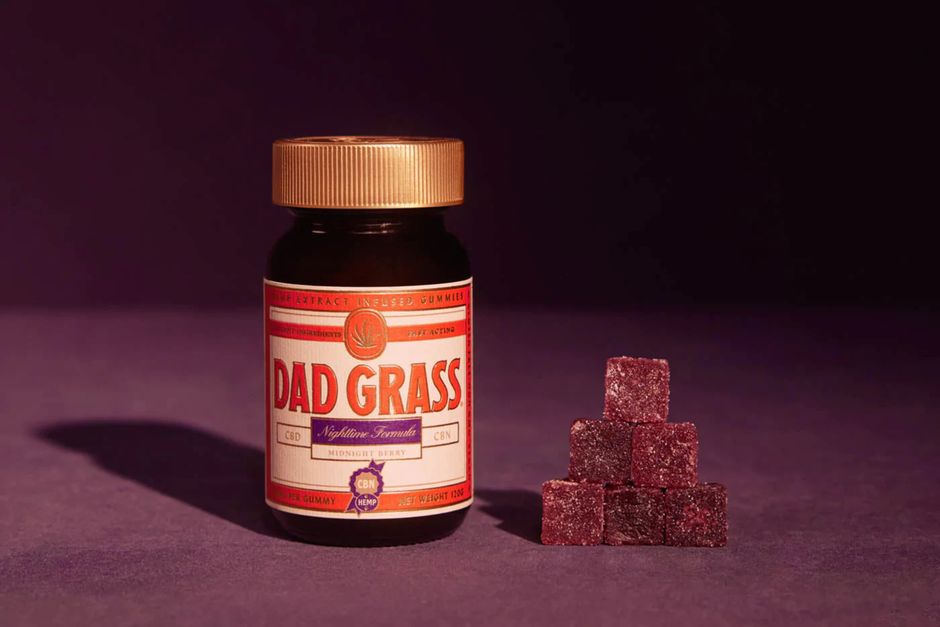
You just swallowed a THC gummy, and you are waiting. Maybe you feel nothing after 15 minutes and wonder if it was a dud. Maybe you feel something after 30 minutes and wonder if it will get stronger. The honest answer is that a THC gummy typically takes between 30 and 90 minutes to kick in, with most people noticing effects around the 45-minute mark. Unlike smoking or vaping, which hits in minutes, edibles must travel through your digestive system and liver before the THC reaches your bloodstream. This delay is normal, not a sign that the gummy is weak—and it is exactly why eating more too soon is the most common mistake people make.
Why Does It Take So Long For A THC Gummy To Kick In?
When you eat a THC gummy, the cannabinoid does not enter your bloodstream directly through your stomach. It first travels to your liver, where an enzyme breaks it down into a stronger compound called 11-hydroxy-THC. This process, called first-pass metabolism, takes time—usually 30 to 90 minutes from the moment you swallow.
Your digestive system also plays a role. The gummy must dissolve, then the THC must be absorbed through your intestinal walls. If you have food in your stomach, absorption slows down further. An empty stomach can speed things up, sometimes bringing the onset closer to 30 minutes. A full stomach, especially one with fatty food, can push the onset toward the 90-minute mark or beyond.
This delayed onset is a safety feature of your body, not a flaw in the product. The liver conversion is what makes edibles feel different from inhaled THC. Many people describe the edible high as more body-heavy and longer-lasting, which is a direct result of that metabolic change.
What Factors Change How Fast A Gummy Hits?
Several variables determine your personal timeline. Body weight, metabolism, and individual liver enzyme activity all matter, but they are hard to predict. A person with a fast metabolism may feel effects in 30 minutes, while someone with a slower system might wait a full two hours.
What you last ate is the biggest controllable factor. A high-fat meal can increase THC absorption because cannabinoids are fat-soluble, but it also slows stomach emptying. This trade-off means a fatty meal can delay onset while potentially intensifying the eventual effect. An empty stomach gives you a faster, sharper onset but sometimes a shorter duration.
Product formulation matters too. Some gummies use nano-emulsified THC, which is processed into tiny particles that absorb faster. These products can kick in within 15 to 30 minutes. Standard gummies, made with traditional cannabis extracts, follow the normal digestive timeline.
Your tolerance level also shapes the experience. A regular user may perceive the onset differently than a first-time user, though the metabolic timeline itself does not change much with tolerance.
How Long Do The Effects Last Once It Kicks In?
Once a THC gummy takes effect, the peak typically arrives between 1.5 and 2.5 hours after you ate it. The total duration usually spans 4 to 8 hours, with residual effects sometimes lingering longer. This is considerably longer than inhaled cannabis, which peaks in minutes and fades within 2 to 3 hours.
The extended timeline is why dosing discipline matters. If you eat one gummy and feel nothing at 30 minutes, the natural urge is to eat another. That second gummy will hit at roughly the same time as the first, stacking the effects and potentially causing an uncomfortable, overwhelming high. The standard clinical guidance is to wait at least 2 hours before considering another dose.
Sleepiness is common as the effects wind down. Some people also experience a mild “hangover” the next morning, especially with higher doses. This is not a sign of toxicity but rather the lingering presence of 11-hydroxy-THC in your system.





Why Does One Gummy Hit Faster Than Another?
Batch-to-batch variability is real. The same brand, the same flavor, even the same package can produce different onset times. This is because cannabis extracts are natural products, and THC distribution within a gummy may not be perfectly uniform. One gummy might contain slightly more THC in one corner than another, though commercial manufacturing has improved consistency significantly in recent years.
Your own state matters more than the product. Hydration, sleep quality, stress levels, and even your menstrual cycle can influence how quickly your body processes THC. If you took a gummy on a stressful day and it hit slower than usual, that is a plausible explanation rather than a product defect.
Nano-emulsified products are the exception. They are engineered specifically to bypass the slow digestive breakdown. If you want a faster onset, look for gummies labeled as fast-acting or water-soluble. These are not stronger—they just arrive sooner.
What Should You Do If You Feel Nothing After An Hour?
Wait. That is the honest, evidence-based answer. The most common edible mistake is redosing too early, which leads to a delayed double-dose that can cause extreme anxiety, rapid heart rate, and nausea. These symptoms are temporary and not dangerous for most healthy adults, but they are deeply unpleasant.
Distract yourself. Go for a walk, watch a show, or do a household task. Physical activity can sometimes help you notice subtle effects you were missing while sitting still. The effects of edibles can be gradual, creeping in so slowly that you do not recognize them until they are fully present.
If two full hours have passed and you still feel nothing, the gummy may be underdosed relative to its label, or your body may metabolize THC slowly. Some research suggests that a subset of people have a genetic variation that slows THC metabolism significantly. For these individuals, effects may not appear until 2 to 3 hours after eating.
Do not drive or operate machinery during this waiting period. Even if you feel no effects, THC may still be building in your system, and impairment can arrive without warning.
How Does A THC Gummy Compare To Other Edibles?
Gummies are not unique in their onset time. Brownies, cookies, and chocolates all follow the same digestive timeline. The only difference is the fat content. Chocolates and baked goods often contain more fat, which can slightly delay onset while potentially increasing absorption.
Drinks and tinctures are different. Sublingual tinctures, held under the tongue, can take effect in 15 to 30 minutes because THC absorbs directly through the mucous membranes. Beverages with nano-emulsified THC also act faster, sometimes within 10 to 20 minutes.
If you regularly find yourself frustrated by the gummy wait, a tincture or fast-acting beverage may better match your preferences. The trade-off is that faster-onset products often have a shorter duration, so you may need more frequent dosing.
Frequently Asked Questions
Can I eat another gummy if I feel nothing after 30 minutes?
No. Wait at least 2 hours before considering another dose. Eating more too soon is the leading cause of uncomfortable edible experiences.
Does a THC gummy work faster on an empty stomach?
Yes, an empty stomach generally speeds up onset, sometimes bringing effects within 30 minutes. A full stomach, especially with fatty food, can delay onset to 90 minutes or longer.
Why did my gummy take 2 hours to kick in?
Slow metabolism, recent food intake, or individual liver enzyme variation can all delay onset. Some people naturally process THC more slowly, and a 2-hour onset is within the normal range.
Are fast-acting THC gummies actually faster?
Yes, gummies made with nano-emulsified THC can kick in within 15 to 30 minutes. Standard gummies made with traditional extracts follow the normal 30 to 90 minute timeline.
