
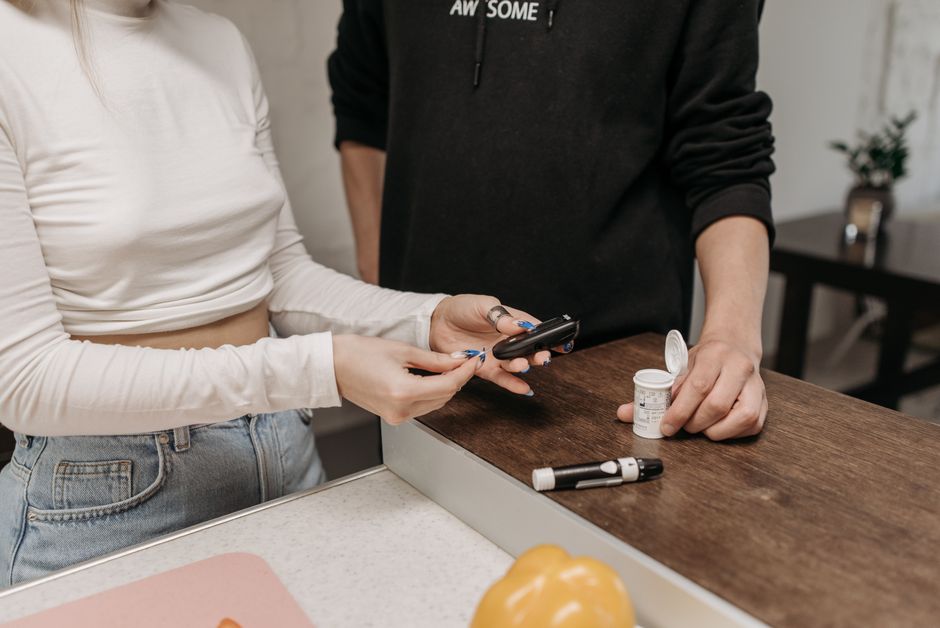
A glucose screening test is a common part of routine prenatal care, typically completed in about one hour. You will have your blood drawn once, drink a sugary glucose drink, and then have a second blood draw exactly one hour later. The entire process, including check-in and waiting, usually takes between 60 and 90 minutes total.
What Is a Glucose Screening Test?
A glucose screening test checks how your body processes sugar. It is a standard test for pregnant women, usually done between 24 and 28 weeks of pregnancy. The test helps identify gestational diabetes, a condition where pregnancy hormones cause blood sugar levels to rise too high.
This is a screening test, not a diagnostic one. It flags women who may have high blood sugar and need further testing. A normal result means you likely do not have gestational diabetes. An abnormal result means you will need a longer, more detailed test to confirm whether gestational diabetes is present.
How Long Does the Glucose Screening Test Take?
The test itself takes exactly one hour from the moment you finish the glucose drink. Here is the breakdown of the full appointment timeline:
- Check-in and preparation: 5–10 minutes. You will check in, have your weight and blood pressure taken, and meet with the lab technician.
- Drinking the glucose solution: 5 minutes or less. You will drink a sweet liquid containing 50 grams of glucose. You must finish it within five minutes.
- The one-hour wait: Exactly 60 minutes. You must stay at the lab or clinic during this time. You cannot eat, drink anything except water, or exercise while you wait.
- Blood draw: 5 minutes. After exactly one hour, a technician draws blood from your arm.
Plan for about 90 minutes from arrival to departure. This gives you a buffer for check-in delays and the blood draw itself.
What Happens During the Glucose Drink?
The glucose drink is a concentrated sugar solution. It tastes like a very sweet flat soda or a sugary orange drink. Some clinics offer different flavors, such as fruit punch or lime, but the sugar content is the same.
Some women feel nauseous after drinking it. The high sugar load on an empty stomach can cause this. If you vomit within the hour, the test may need to be rescheduled because your body did not absorb the full amount of sugar. Tell the technician immediately if you feel sick.





Do You Need to Fast Before a Glucose Screening Test?
No. For the one-hour glucose screening test, fasting is not required. Most guidelines say you can eat normally before the test, but you should avoid foods very high in sugar right before your appointment. A heavy sugary meal could skew the results.
This is different from the three-hour glucose tolerance test, which is the follow-up diagnostic test. That test requires fasting for 8 to 14 hours beforehand. Your doctor will give you specific instructions if you need that test.
What Do the Results Mean?
A blood sugar level below 140 mg/dL is generally considered normal. Levels between 140 and 199 mg/dL are considered elevated and indicate the need for a follow-up test. A level of 200 mg/dL or higher may indicate gestational diabetes, and your doctor will likely discuss next steps immediately.
It is important to understand that many women have elevated screening results but do not actually have gestational diabetes. The screening test is intentionally sensitive. It is designed to catch as many potential cases as possible, which means it also produces false alarms. Only about one-third of women who fail the screening test actually have gestational diabetes on the follow-up test.
What Is the Follow-Up Test Like?
If your screening result is elevated, your doctor will order a three-hour glucose tolerance test. This test is more involved and takes about three hours. You will fast overnight, have your blood drawn, drink a higher dose of glucose (100 grams), and then have blood drawn every hour for three hours.
You cannot eat or drink anything except water during the test. You should bring something to read or a phone charger, because you will be sitting in the lab for several hours. The results of this test determine whether you actually have gestational diabetes.
Why Does the Timing Matter So Much?
The one-hour timing is not arbitrary. Blood sugar peaks in most people about 60 minutes after consuming glucose. Drawing blood at this exact moment gives the most accurate picture of how your body handles sugar. If blood is drawn too early or too late, the results can be misleading.
Your body’s insulin response is what keeps blood sugar in check. During pregnancy, the placenta produces hormones that can interfere with insulin’s ability to move sugar out of the bloodstream. This is why the test is done in the late second trimester, when these hormones are at higher levels and insulin resistance becomes more apparent.
Can You Do Anything to Prepare for the Test?
There is no proven way to “pass” the glucose screening test. Some online sources suggest eating a low-carb diet for a few days beforehand or avoiding sugar entirely. These strategies are not supported by evidence and can actually give misleading results. The test is meant to measure how your body handles sugar under normal conditions.
Your best approach is to eat your usual diet in the days before the test. Do not fast, do not binge on sweets, and do not change your habits. This gives your doctor accurate information about how your body actually processes sugar during pregnancy.
Is the Glucose Screening Test Accurate?
The one-hour screening test is well-established and widely used in prenatal care. It correctly identifies most women who have gestational diabetes. However, it is not perfect. Some women with normal screening results may still develop gestational diabetes later in pregnancy.
This is why your doctor may repeat the test if you develop symptoms of high blood sugar, such as excessive thirst or frequent urination, or if you have other risk factors. The screening test is one tool among many in monitoring your health during pregnancy.
What Happens If You Are Diagnosed With Gestational Diabetes?
If the follow-up test confirms gestational diabetes, you will work with your healthcare team to manage your blood sugar. This typically involves dietary changes, regular physical activity, and monitoring your blood sugar levels at home. Some women also need insulin or other medications.
Gestational diabetes is manageable, and most women with the condition have healthy pregnancies and babies. The condition usually resolves after delivery, though it does increase your lifetime risk of developing type 2 diabetes. Your doctor will recommend follow-up testing after your baby is born to ensure your blood sugar has returned to normal.
Frequently Asked Questions
Can I eat before my glucose screening test?
Yes, you can eat normally before the one-hour glucose screening test. Avoid very sugary foods right before your appointment, as they could affect your results.
What happens if I vomit after drinking the glucose solution?
Tell the lab technician immediately. If you vomit within the hour, the test may not be accurate and will likely need to be rescheduled.
How long do glucose screening test results take?
Results are usually available within a few days. Your doctor’s office will contact you with the results and explain what they mean for your care.
Is the glucose drink safe for my baby?
Yes, the glucose drink is safe. It is a standard part of prenatal care and has been used for decades to screen for gestational diabetes.
