
Bone is living tissue that constantly rebuilds itself. You build bone mass fastest during childhood and the teen years, and you reach your peak bone mass — the most bone you will ever have — sometime in your twenties. After that, the goal changes. You are no longer adding much new bone. You are trying to keep what you have.
Building bone mass comes down to a few things that work together: enough calcium and vitamin D, regular weight-bearing and resistance exercise, adequate protein, and avoiding habits that strip bone away. The earlier you start, the more you have in the bank. But it is never too late to slow bone loss and, in some cases, add a small amount back.
What Is Peak Bone Mass And Why Does Timing Matter?
Peak bone mass is the maximum amount of bone tissue you accumulate, and it is largely set by your mid-twenties. Think of it as a savings account. The deposits happen early. After that, you mostly make withdrawals.
Genetics decide a big part of your peak. You cannot change your DNA. But several things you can control affect whether you reach your genetic potential. Nutrition, physical activity, and hormone levels during growth years all play a role.
This is why childhood and adolescence matter so much. A person who builds a high peak bone mass has more to lose before bone density drops into a risky range. Someone who never built much has less margin.
Bone loss after peak is normal and gradual for both men and women. In women, the drop speeds up sharply around menopause because estrogen — which protects bone — falls. This is when many women first hear the word “osteoporosis.”
How To Build Bone Mass With The Right Nutrients
Calcium is the raw material of bone, and your body cannot make it. If you do not get enough from food, your body pulls calcium from your skeleton to keep blood levels steady. That is the core reason calcium intake matters.
Most adults need roughly 1,000 milligrams of calcium a day. Women over 50 and men over 70 need about 1,200 milligrams. These figures come from established dietary reference intakes used across US clinical guidance.
Food sources are the preferred route. Dairy, fortified plant milks, canned fish with bones, tofu made with calcium, and leafy greens all contribute. Supplements can fill gaps, but they are not better than food and large single doses are absorbed poorly.
Vitamin D is the partner nutrient. Without it, your body cannot absorb calcium efficiently from the gut. Few foods contain much vitamin D naturally, so many people rely on fortified foods, sun exposure, or supplements.
Protein deserves more attention than it usually gets. Bone is roughly half protein by weight. Some older adults eat too little protein, which does not help bone or muscle. Current evidence supports adequate — not extreme — protein intake for bone health, though the exact optimal amount is still studied.
Other minerals like magnesium and vitamin K are involved in bone, but the evidence that supplementing them builds bone mass is limited. Getting them from a varied diet is reasonable. Taking them as a targeted bone treatment is not well supported.
Which Exercises Actually Build Bone?
The exercises that build bone are the ones that put load on it. Bone responds to mechanical stress by remodeling — laying down new tissue where it is challenged. This is a well-established principle in bone physiology.
Two categories matter most.
- Weight-bearing activities: walking, jogging, stair climbing, dancing, and similar activities where your legs carry your weight against gravity.
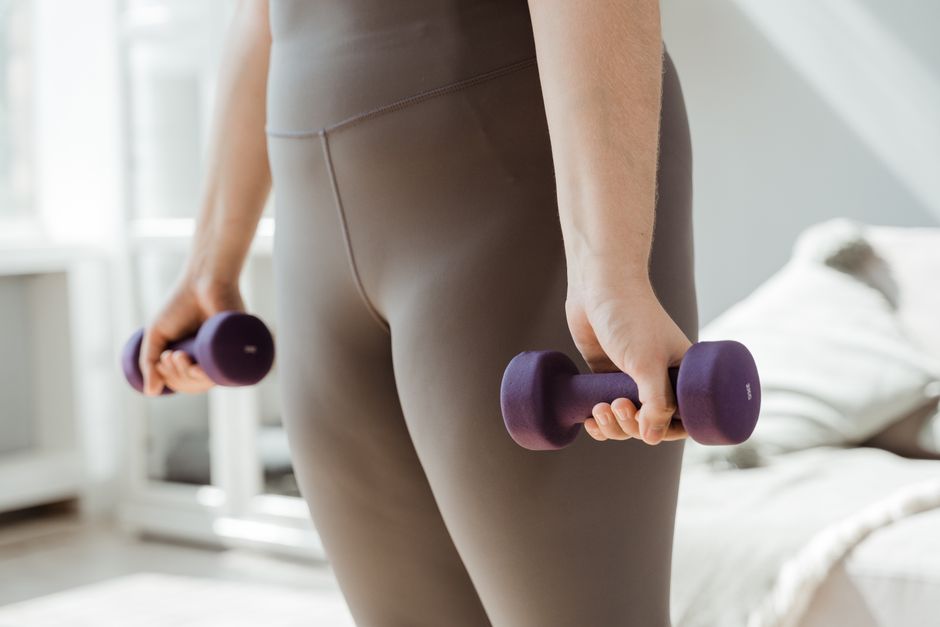
- Resistance training: lifting weights, using resistance bands, or bodyweight exercises that pull on bone through muscle contraction.
Resistance training is often underrated for bone. The pull of a muscle on the bone it attaches to is a strong signal to build. This is why strength work is a core part of most bone-focused exercise plans.
Swimming and cycling are excellent for the heart and muscles, but they are not weight-bearing, so they do less for bone density. That does not make them bad. It means they should not be your only activity if bone is a goal.
One clarification worth knowing: the bone-building benefit of exercise is site-specific. Working your arms strengthens arm bone. It does not strengthen your hip. To protect the bones most prone to fracture — the hip and spine — you need to load those areas too.
If you already have osteoporosis or have had a fragility fracture, talk to a clinician before starting a new program. Some movements, especially certain bending and twisting motions of the spine, may raise fracture risk in weakened bone.
What Habits Weaken Bone?
Some daily habits work directly against your skeleton. Knowing them helps you protect what you have.
Smoking is consistently linked to lower bone density and higher fracture risk. The effect is well documented across many studies. Quitting helps at any age.
Heavy alcohol use also harms bone. It interferes with the cells that build bone and raises fall risk. Moderate drinking is not clearly protective for bone, so there is no bone-related reason to start.
Long periods of inactivity erode bone. Bed rest and sedentary living both lead to bone loss, because bone that is not loaded gets broken down. This is the same principle as exercise, seen in reverse.
Certain medications can weaken bone when used long term. Glucocorticoid steroids are the clearest example. If you take one of these, that is a conversation to have with your clinician, not a reason to stop a prescribed drug on your own.
Low body weight and eating disorders are strong risk factors for bone loss, especially in younger people. Bone needs adequate nutrition and, in women, normal estrogen levels to stay strong.
Can You Rebuild Bone After Losing It?
This is where honesty matters. After peak bone mass, you generally cannot rebuild bone to the level you once had through lifestyle alone. The realistic goal is to slow loss and, in some cases, add a small amount.
Nutrition and exercise can modestly improve bone density in some situations, particularly in people who were deficient or inactive to begin with. The effects are usually small. They are still worth having, because even small changes in bone density can shift fracture risk.
For diagnosed osteoporosis, lifestyle is not enough on its own. Prescription medications are the treatments shown in trials to reduce fracture risk. They work by changing the balance between bone breakdown and bone building.
This is an important distinction. Exercise and nutrition support bone health. They do not replace medication when a clinician has diagnosed osteoporosis and recommended treatment.
When Should You Get Your Bone Density Checked?
Bone density testing is usually done with a DXA scan, a low-dose X-ray that measures bone mineral density. It is the standard test for diagnosing osteoporosis.
Screening is generally recommended for women starting around age 65 and men around age 70. Earlier testing is often advised for people with risk factors, such as a previous fracture, long-term steroid use, early menopause, or a strong family history.
A DXA result is reported as a T-score, which compares your bone density to that of a healthy young adult. A T-score of -2.5 or lower is the diagnostic threshold for osteoporosis. Scores between -1.0 and -2.5 fall into the category called osteopenia, or low bone mass.
Knowing your numbers changes what you do next. Someone with normal density can focus on maintenance. Someone with low density may need treatment. The test is the difference between guessing and knowing.
Putting It Together
Building bone mass is not one action. It is a set of habits stacked over years. Get enough calcium and vitamin D. Eat enough protein. Load your bones with weight-bearing and resistance exercise. Do not smoke, and keep alcohol low. Stay active, because bone that is not used gets lost.
If you are young, this is your window to build the strongest skeleton you can. If you are older, the same habits still matter — they just shift from building to protecting. And if you have risk factors, get your bone density checked so you know where you stand.
Frequently Asked Questions
What is the fastest way to build bone mass?
There is no fast way — bone responds to consistent load and nutrition over months and years. Resistance training combined with enough calcium and vitamin D is the most reliable approach.
Can I build bone mass after 50?
After peak bone mass, you generally cannot rebuild bone to earlier levels through lifestyle alone. The realistic goal after 50 is to slow bone loss and reduce fracture risk.
Does walking build bone density?
Walking is weight-bearing, so it loads your legs and hips, but the effect on bone density is modest. Adding resistance training gives a stronger bone-building signal.
How much calcium do I need for strong bones?
Most adults need about 1,000 milligrams of calcium a day, rising to about 1,200 milligrams for women over 50 and men over 70. Food sources are preferred over supplements.
