
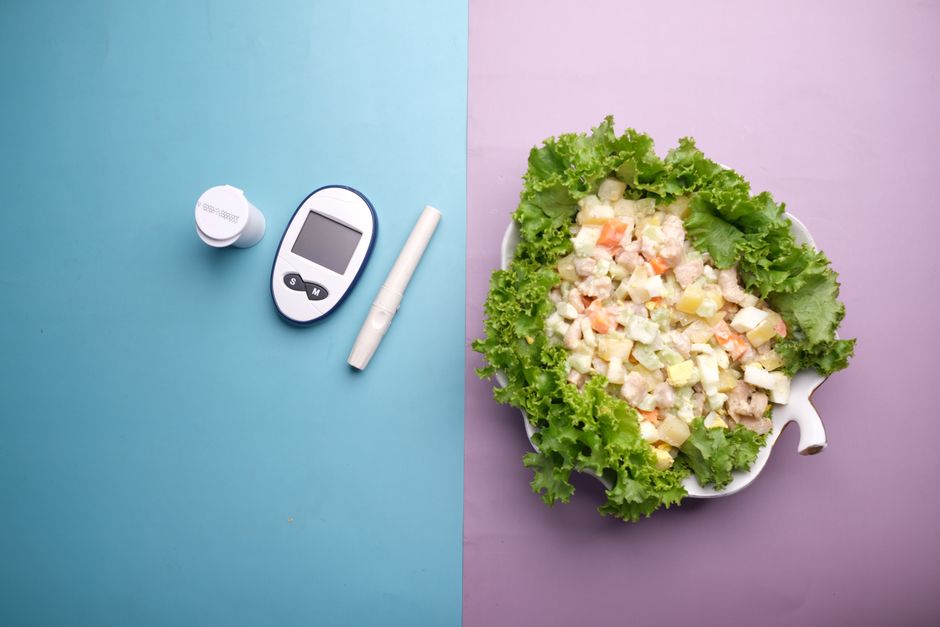
Yes, your gallbladder can affect your blood sugar. The connection is not direct like the pancreas, but it is real. When your gallbladder is removed or not working well, your digestion of fats changes. This can lead to blood sugar spikes and drops that are harder to control. Research published in the journal Diabetes Care found that people who had their gallbladder removed had a higher risk of developing type 2 diabetes. The link involves bile acids, gut hormones, and how your body processes sugar. Understanding this connection can help you manage your blood sugar better, especially if you have gallbladder issues.
How Does the Gallbladder Connect to Blood Sugar?
The gallbladder stores bile, a fluid made by your liver. Bile helps you digest fat. When you eat a fatty meal, your gallbladder releases bile into your small intestine. This release triggers a chain of events that affects blood sugar.
Bile acids do more than digest fat. They act as signaling molecules. They travel to receptors in your gut and pancreas. These receptors tell your body to release hormones that control blood sugar. One key hormone is GLP-1. It helps your body release insulin after a meal. Without a properly working gallbladder, this signaling can get disrupted.
Studies have found that people without a gallbladder have different bile acid patterns. Their bile flows constantly instead of in bursts. This constant flow changes how their body responds to food. The result can be a slower insulin response and higher blood sugar after meals.
Can Gallbladder Removal Raise Your Risk of Diabetes?
Yes, the evidence is clear. A large study from the National Institutes of Health followed over 13,000 people for 20 years. Those who had their gallbladder removed had a 23% higher risk of developing type 2 diabetes. This was after accounting for weight, age, and other risk factors.
Another study in the journal Gastroenterology looked at over 40,000 women. It found that gallbladder removal was linked to a higher risk of diabetes, especially in women who were already overweight. The risk increased over time. It was not just a short-term effect.
This does not mean everyone who has gallbladder removal will get diabetes. It means the risk goes up. If you have had your gallbladder removed, paying attention to your blood sugar is smart. Your body now processes food differently, and your blood sugar control system has changed.
What Happens to Blood Sugar After Gallbladder Surgery?
Right after surgery, many people notice changes in their blood sugar. Some people see higher fasting blood sugar. Others see bigger spikes after meals. This is partly because bile is now dripping slowly into your intestine all the time, instead of being released in a big burst when you eat.
Without that burst of bile, your body does not get the strong signal to release GLP-1. This means your insulin response can be delayed. Your blood sugar can go higher after a meal and stay high longer. Some people also get diarrhea or loose stools after gallbladder removal, which can cause dehydration and make blood sugar readings even more unpredictable.
The good news is that these effects often improve over time. Your body adapts. The bile acids still work, just differently. But for some people, the changes in blood sugar control last for years. If you had your gallbladder removed, it is worth checking your blood sugar regularly, especially if you have other risk factors for diabetes.





How Does Gallbladder Disease Itself Affect Blood Sugar?
Gallbladder disease, not just removal, can also affect blood sugar. Gallstones and inflammation of the gallbladder (cholecystitis) can disrupt normal bile flow. This disruption changes the same bile acid signaling that helps control blood sugar.
People with gallstones often have higher insulin levels and more insulin resistance. This is partly because gallstones are linked to metabolic syndrome, a cluster of conditions that includes high blood sugar, high blood pressure, and abnormal cholesterol. The relationship goes both ways. Metabolic syndrome increases your risk of gallstones, and gallstones can make metabolic syndrome worse.
One study in the Journal of Clinical Endocrinology & Metabolism found that people with gallstones had higher fasting blood sugar and higher insulin resistance compared to people without gallstones. This was true even when the researchers adjusted for body weight and diet. The gallbladder itself, when diseased, may contribute to blood sugar problems.
Treating the gallbladder disease, whether with surgery or medication, can sometimes improve blood sugar. But the improvement is not guaranteed. The underlying metabolic issues often remain.
| Condition | Effect on Blood Sugar | Key Mechanism |
|---|---|---|
| Gallbladder removal | Higher post-meal spikes, increased diabetes risk | Loss of bile burst, reduced GLP-1 signaling |
| Gallstones (without removal) | Higher fasting glucose, more insulin resistance | Disrupted bile flow, linked to metabolic syndrome |
| Gallbladder inflammation | Temporary blood sugar instability | Stress response, reduced bile release |
What Can You Do to Manage Blood Sugar With Gallbladder Issues?
Your diet matters most. After gallbladder removal, eating smaller, more frequent meals can help. Your body cannot handle large amounts of fat at once. Spreading fat intake across the day gives your bile acids time to work without overwhelming your system.
Focus on healthy fats. Olive oil, avocado, nuts, and fatty fish are easier to digest than fried foods or processed fats. Pairing fat with fiber helps slow down digestion and can reduce blood sugar spikes. Vegetables, whole grains, and legumes are good choices.
Exercise is powerful. It improves insulin sensitivity regardless of your gallbladder status. Even a 15-minute walk after a meal can help lower blood sugar. Resistance training builds muscle, which helps your body use glucose more effectively.
Some people find that bile acid binders, a type of medication, help with both diarrhea and blood sugar control. These medications bind to bile acids in your gut and remove them. This changes your bile acid signaling and can improve blood sugar. Talk to your doctor about whether this is an option for you.
Monitoring your blood sugar is the best way to see how your body responds. Check before and after meals. Look for patterns. If you see big spikes after certain foods, adjust your portions or timing. Your body is giving you feedback. Listen to it.
Common Misconceptions About the Gallbladder and Blood Sugar
One common myth is that the gallbladder does nothing important. Some people think you can just remove it and nothing changes. This is not true. The gallbladder has a real job. It concentrates bile and releases it on demand. Losing it changes your digestion and your blood sugar control.
Another myth is that gallbladder problems only affect fat digestion. As we have seen, bile acids are signaling molecules that affect insulin and blood sugar. The impact goes far beyond digestion.
A third misconception is that everyone should have their gallbladder removed if they have gallstones. This is not always true. Many people with gallstones have no symptoms and never need surgery. The decision to remove the gallbladder should be based on symptoms, not on a theoretical risk of future problems. If you have gallstones but no pain or complications, you may not need surgery.
Some people believe that after gallbladder removal, you must eat a very low-fat diet forever. This is also not true. Your body adapts. You can eat a normal, healthy diet. You just need to be mindful of portion sizes and fat types. Many people can eat a wide range of foods after their body adjusts.
What to Avoid When Managing Blood Sugar With Gallbladder Issues
Avoid high-fat, processed meals in one sitting. A large fast food meal with a lot of fried food and creamy sauces is hard on your system. It can cause diarrhea, bloating, and a big blood sugar spike. Your body simply cannot handle that much fat at once without a gallbladder.
Avoid fad diets that eliminate entire food groups. Very low-fat diets can make blood sugar control harder because you need some fat to slow down carbohydrate absorption. Very high-fat diets like keto can be difficult for people without a gallbladder because of the large fat load. A balanced approach works best.
Avoid ignoring your symptoms. If you have gallbladder pain, bloating, or changes in bowel habits, see a doctor. Untreated gallbladder disease can get worse and lead to complications. It can also make blood sugar control harder over time.
Avoid relying on supplements without evidence. Many products claim to support gallbladder health or balance blood sugar. Most have little to no research behind them. Stick with what works: a balanced diet, regular exercise, and medical care when needed.
Frequently Asked Questions
Does gallbladder removal cause diabetes?
It increases your risk, but does not guarantee you will get diabetes. The risk increase is about 23% according to large studies.
Can you reverse blood sugar problems after gallbladder removal?
You can improve your blood sugar control with diet, exercise, and weight management. The underlying changes in bile flow are permanent, but your body can adapt.
Should I get my gallbladder removed if I have prediabetes?
Only if you have gallbladder symptoms like pain or infection. Removing the gallbladder for prediabetes alone is not recommended. Talk to your doctor about the risks and benefits.
How long does it take for blood sugar to stabilize after gallbladder surgery?
It varies. Some people see improvement in a few weeks. Others take months or longer. Monitoring your blood sugar regularly will help you track your progress.
