
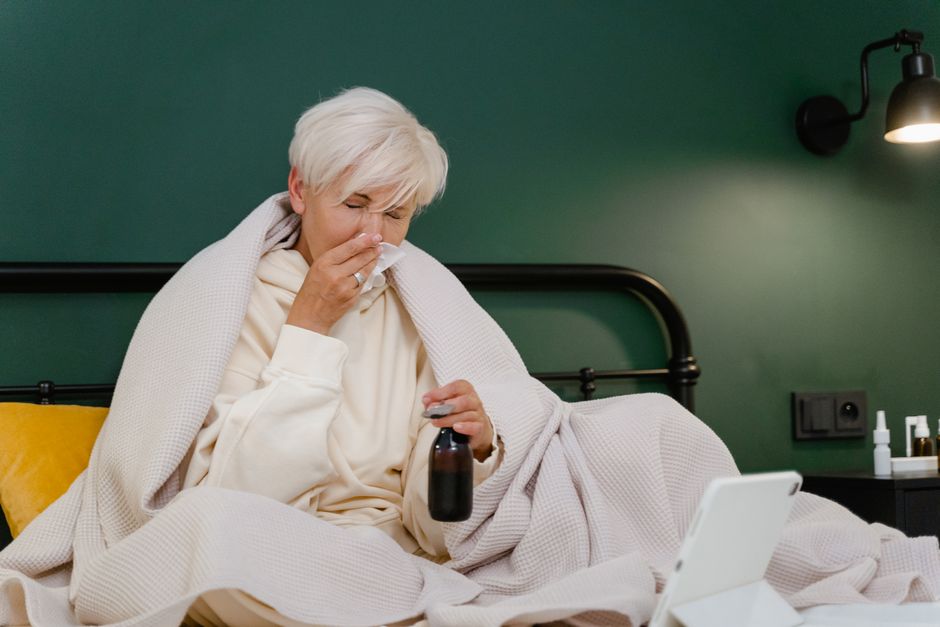
The common cold usually lasts 7 to 10 days in adults. Most people start feeling better around day 4 or 5, though a cough can hang on for up to two weeks. If you are still feeling terrible after 10 days, it may not be a cold anymore. That is the simple answer. The rest of this guide explains what happens each day, why some colds last longer, and when you should stop guessing and see a doctor.
What Actually Happens During a Cold?
A cold is a viral infection of your upper respiratory tract. Over 200 different viruses can cause it, but rhinoviruses are the most common. The virus enters your body through your nose, mouth, or eyes. It then attaches to cells in your nasal passages and starts multiplying.
Your immune system responds by sending white blood cells to fight the invader. This immune response is what actually makes you feel sick. The runny nose, sore throat, and congestion are not caused by the virus itself. They are caused by your body fighting the virus.
The first symptoms usually appear 1 to 3 days after exposure. That is called the incubation period. You are contagious during this time even though you feel fine. Most adults get 2 to 3 colds per year. Children get more, usually 6 to 8.
How Long Does A Cold Last For by Day
Day 1: You feel a scratchy throat or slight tickle. Some people get a mild headache or feel tired. You may not realize you are getting sick yet. The virus is already active and you are contagious.
Day 2: Symptoms peak. Sore throat worsens. Nasal congestion starts. You may sneeze frequently. Some people develop a low-grade fever under 100.4°F. The CDC notes that fever is more common in children than adults during a cold.
Day 3 to 4: Nasal symptoms are at their worst. Your nose runs heavily and then becomes congested. Mucus may turn yellow or green. Many people think green mucus means a bacterial infection, but research shows it is just a normal part of the immune response. It does not mean you need antibiotics.
Day 5 to 7: Symptoms begin to fade. Your energy returns. Congestion may linger. A cough often appears around day 5 even as other symptoms improve. This cough is caused by postnasal drip irritating your throat.
Day 8 to 14: Most symptoms are gone. A dry cough may persist in about 25 percent of people. Research published in the journal Lancet Infectious Diseases found that cough duration averages 18 days for some respiratory infections. That does not mean you are still sick. It means your airways are healing.
Why Some Colds Last Longer Than Others
Several factors influence cold duration. Your age matters. Older adults may take longer to recover because immune response slows with age. Smoking or exposure to secondhand smoke also prolongs symptoms. The smoke damages cilia, the tiny hairs that clear mucus from your airways.
Stress levels play a role too. A study from Carnegie Mellon University found that people with chronic stress were twice as likely to develop a cold after exposure. They also had more severe symptoms. Sleep quality is another factor. People who sleep less than 7 hours per night are about three times more likely to catch a cold, according to research from the University of California, San Francisco.
The specific virus matters as well. Rhinovirus colds tend to be milder and shorter. Adenovirus colds can last longer and sometimes cause more severe symptoms like conjunctivitis. There is no way to know which virus you have without lab testing, and doctors rarely test for cold viruses.
Underlying health conditions also affect duration. People with asthma, COPD, or weakened immune systems often have longer and more severe colds. If you have one of these conditions, your recovery timeline may be closer to 14 days.




What Actually Works to Shorten a Cold
Let us be direct about what the evidence supports. Nothing cures a cold. Antibiotics do not work because colds are viral. Antiviral medications do not exist for common cold viruses. The goal is symptom relief and supporting your immune system.
Zinc may help. A 2017 review in the Cochrane Database of Systematic Reviews found that zinc lozenges taken within 24 hours of symptom onset reduced cold duration by about 33 percent. That means a 7-day cold becomes roughly 4 to 5 days. The effective dose appears to be 75 mg to 100 mg of elemental zinc per day. Not all zinc products contain this amount, so check labels. Zinc nasal sprays are not recommended because they can cause permanent loss of smell.
Vitamin C has weaker evidence. Regular supplementation may slightly reduce cold duration by about 8 percent in adults, according to Cochrane data. Taking vitamin C after symptoms start does not appear to help. The benefit comes from taking it daily before you get sick.
Nasal saline rinses can help with congestion. They do not shorten the cold but they clear mucus and reduce symptom severity. Use distilled or boiled water only. Tap water carries risk of rare but serious infections.
Honey is effective for nighttime cough in adults and children over age 1. A 2021 study in BMJ Evidence-Based Medicine found honey was superior to over-the-counter cough medicines for reducing cough frequency and severity. Take one teaspoon before bed.
Rest is not optional. Your immune system works best when you are not draining energy on physical activity. Sleep is when your body produces cytokines, proteins that fight infection. Skimping on sleep during a cold likely prolongs recovery.
What Does Not Work and What to Avoid
Many popular remedies have no evidence behind them. Echinacea is widely claimed to prevent or treat colds. Multiple high-quality trials show no consistent benefit. The Cochrane review on echinacea concluded that any benefit is likely small and not clinically meaningful.
Vitamin D supplementation does not prevent colds in people with normal levels. It may help people who are deficient, but routine supplementation for cold prevention is not supported by evidence.
Over-the-counter cold medicines manage symptoms but do not shorten the illness. Decongestants can raise blood pressure. Antihistamines cause drowsiness. Combination products often contain multiple drugs you may not need. The American College of Chest Physicians advises against using cough suppressants for acute cough from colds because the evidence for benefit is weak.
Steam inhalation is commonly recommended but carries burn risk. A 2017 study in PLOS ONE found steam did not improve cold symptoms compared to placebo. Several cases of scalding injuries from steam inhalation have been reported.
Gargling salt water may soothe a sore throat temporarily. It does not kill viruses or shorten the cold. It is safe and cheap, so it is fine to try. Just do not expect it to change your recovery time.
When a Cold Is Not a Cold
Distinguishing a cold from other illnesses matters for knowing what to do. The flu comes on suddenly with high fever, body aches, and fatigue. Colds develop gradually and rarely cause high fever. The CDC estimates that flu causes 140,000 to 710,000 hospitalizations annually in the US. If you have fever over 102°F with body aches, you may have flu and should contact your doctor within 48 hours for possible antiviral treatment.
COVID-19 symptoms overlap significantly with cold symptoms. Loss of taste or smell is more specific to COVID-19 but not universal. The only reliable way to distinguish them is testing. As of 2026, at-home tests are widely available and reasonably accurate.
Sinusitis can develop as a complication of a cold. Signs include facial pain, pressure around your eyes or forehead, and symptoms lasting beyond 10 days without improvement. Thick green mucus alone does not mean sinusitis. The key sign is persistent symptoms that do not improve.
Strep throat is bacterial and requires antibiotics. It causes severe sore throat with difficulty swallowing, fever over 101°F, and swollen lymph nodes. It does not usually cause cough or congestion. If you have sore throat without cold symptoms, get tested.
| Condition | Onset | Fever | Key Difference |
|---|---|---|---|
| Common cold | Gradual | Rare or low-grade | Runny nose, congestion, sneezing |
| Flu | Sudden | High, 102°F+ | Body aches, fatigue, headache |
| COVID-19 | Variable | Common | Loss of taste/smell possible |
| Strep throat | Sudden | Common | Severe sore throat, no cough |
| Sinusitis | After cold | Possible | Facial pain, symptoms over 10 days |
When to See a Doctor
Most colds do not require medical care. You should contact a doctor if symptoms last more than 10 days without improvement. You should also seek care if you have fever over 101.3°F that lasts more than 3 days. Shortness of breath, chest pain, or wheezing are reasons to be seen promptly.
Severe headache with stiff neck could indicate meningitis. This is rare but serious. Pain in your sinuses with swelling around your eyes also warrants evaluation. If you have a chronic condition like asthma, heart disease, or diabetes, check with your doctor early in the illness. They may want to monitor you more closely.
Children under 3 months with any fever should see a doctor immediately. Older children with colds generally follow the same rules as adults. If a child is not drinking fluids, has trouble breathing, or seems unusually lethargic, seek care.
Emergency warning signs include difficulty breathing, persistent pain or pressure in the chest, confusion, inability to wake or stay awake, and bluish lips or face. These symptoms are not typical of a cold and require emergency medical attention.
Frequently Asked Questions
How long is a cold contagious?
You are contagious from about one day before symptoms start until roughly day 5 to 7 of the illness. Contagiousness peaks in the first 2 to 3 days when symptoms are worst.
Can a cold turn into something worse?
Yes, colds can lead to sinusitis, ear infections, or bronchitis in some cases. Pneumonia is rare but possible, especially in older adults or people with weakened immune systems.
Should I exercise with a cold?
Light activity is fine if symptoms are above the neck only, like a runny nose. Rest is better if you have fever, body aches, or chest congestion.
Does vitamin C prevent colds?
Regular vitamin C supplementation slightly reduces cold duration but does not prevent colds in the general population. It may help people under extreme physical stress like marathon runners.
