
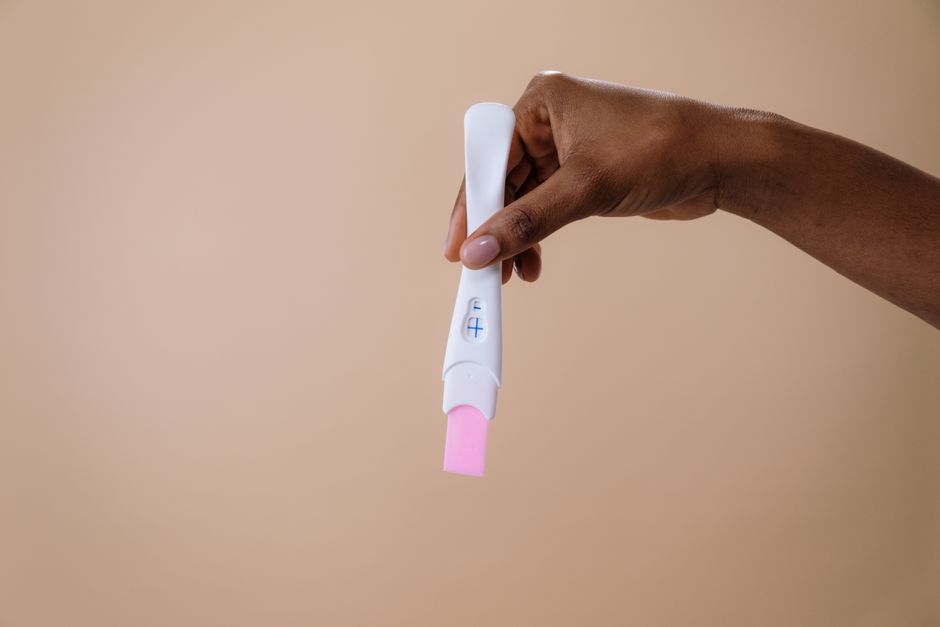
A Clearblue pregnancy test takes between one and five minutes to give a result, depending on which type you use. The standard Digital test shows a “Pregnant” or “Not Pregnant” result in about three minutes. The Rapid Detection version gives a result in about one minute. The earliest tests, which detect pregnancy up to six days before a missed period, typically take about five minutes.
Those times refer to the wait after you have already dipped the stick or held it in your urine stream. The full process, from opening the wrapper to reading the result, usually adds a minute or two on top of that.
How Long Does A Clearblue Test Take From Start To Result?
Most people have a result within five minutes of starting the test. The clock that matters begins when the absorbent tip has finished absorbing urine, not when you first open the box.
Here is how the timing breaks down by test type:
- Rapid Detection: About 1 minute to a result after sampling.
- Standard Digital: About 3 minutes.
- Digital with weeks indicator: About 3 minutes for the pregnant/not pregnant result, then the screen shows how many weeks since conception.
- Early Detection (up to 6 days early): About 5 minutes.
These are the manufacturer’s stated wait times. They are not study findings, and they are not a measure of accuracy. They are simply how long the device needs to process the sample and display a result.
What Happens During Those Few Minutes?
The test is running a chemical reaction on a small strip inside the plastic casing. Understanding what is happening explains why the wait time differs between products.
When urine soaks into the absorbent tip, it travels along a strip treated with antibodies. If the hormone hCG (human chorionic gonadotropin) is present, it binds to those antibodies. That binding triggers a visible line or an electronic signal, depending on the test.
hCG is produced by the developing placenta after an embryo implants in the uterus. It appears in urine shortly after implantation and rises quickly in early pregnancy. The test is not measuring “how pregnant” you are. It is detecting whether the hormone is present above a certain threshold.
Tests that advertise earlier detection use a lower threshold. A lower threshold means the strip needs a bit more time to build a signal strong enough to read. That is one reason early-detection tests often take longer than rapid ones.
Why Do Some Clearblue Tests Take Longer Than Others?
The difference comes down to sensitivity and how the result is displayed. A test that can pick up a smaller amount of hCG has to work a little harder to register a clear signal.
Digital tests also add a step. Instead of you reading faint lines, the device reads the strip electronically and translates it into words on a screen. That processing is fast, but it is not instant.
None of this means a slower test is more accurate. Speed and sensitivity are separate features. A one-minute test and a five-minute test can both be reliable when used correctly and at the right time in your cycle.




Does Waiting Longer Than The Instructions Say Change The Result?
Yes, and this is where a lot of confusion starts. Reading a test after the recommended window has passed can produce a result that is not valid.
After the stated wait time, urine continues to evaporate from the strip. That evaporation can create a faint line that looks like a positive result but is not. This is often called an evaporation line.
The instructions for each test give a specific reading window. For most Clearblue products, you should read the result within a set number of minutes and not after. If you check the test an hour later and see a faint line that was not there before, that line does not count.
Digital tests are less prone to this problem because the screen locks in a result. Once it reads “Pregnant” or “Not Pregnant,” that reading stands.
When Should You Take The Test For The Most Reliable Result?
Timing your test to your cycle matters more than the few minutes you wait for the result. Testing too early is the most common reason for a false negative.
If you test on the day of your expected period, the result is generally reliable for most people. Testing several days before a missed period lowers the chance of detecting hCG, because the hormone may not have risen high enough yet.
First morning urine tends to have the highest concentration of hCG, especially if you are testing early. As you drink fluids through the day, urine becomes more diluted. If you are testing before your missed period, using the first urine of the day can improve your chances of an accurate result.
If you get a negative result but still think you might be pregnant, waiting a few days and testing again is reasonable. hCG levels rise over time in early pregnancy, so a test that reads negative today may read positive in a few days.
What Can Affect The Accuracy Of The Result?
Accuracy depends far more on when and how you test than on how long the test takes. A few factors are worth knowing.
Certain fertility medications contain hCG and can cause a false positive. If you have recently taken an hCG trigger shot, the hormone may still be in your system and the test can pick it up. Tell your doctor if you are unsure.
Blood in the urine, some medications, and certain medical conditions can occasionally interfere with results. The evidence on how much these factors matter varies by product and situation, so the manufacturer’s instructions are the most reliable guide.
Expired tests are another issue. An expired test may not work as designed. Check the date on the packaging before you rely on the result.
What does not affect the result is how long you stare at it. Once the reading window has closed, the result is what it is.
Do You Need To Wait Before Testing After A Missed Period?
No. If your period is late, you can test right away. There is no benefit to waiting additional days once your period is already overdue.
If the first test is negative and your period still has not started, testing again in a few days is a reasonable next step. If your period remains absent and repeated tests are negative, talking to a healthcare provider is the sensible move. A missed period can have causes other than pregnancy, and a clinician can help sort out what is going on.
The few minutes you spend waiting for a Clearblue test to develop is a small part of the process. The bigger variables are when in your cycle you test and whether you follow the instructions. Get those right and the wait time is just a short pause before you have your answer.
Frequently Asked Questions
How long does a Clearblue test take to show results?
Most Clearblue tests show a result in one to five minutes, depending on the type. Rapid Detection takes about one minute, standard Digital takes about three minutes, and early-detection versions take about five minutes.
Can I read a Clearblue test after 10 minutes?
No, reading it after the recommended window can give you a false result. Lines that appear after the stated time are often evaporation lines and do not count.
Is first morning urine better for a Clearblue test?
First morning urine tends to have a higher concentration of hCG, which can help if you are testing before your missed period. For testing on or after the day of your expected period, the time of day matters less.
What should I do if my Clearblue test is negative but my period is late?
Wait a few days and test again, since hCG levels rise over time in early pregnancy. If your period stays absent and repeated tests are negative, contact a healthcare provider.
