
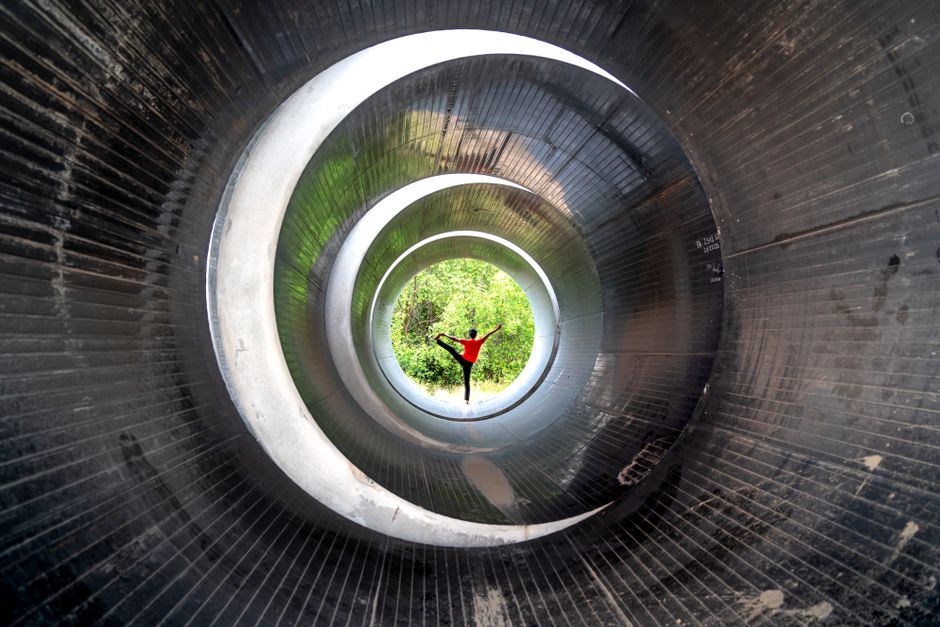
Getting in shape is a question with no single number answer. For most people, noticeable changes happen within four to six weeks of consistent exercise. Significant improvements in strength, endurance, and body composition generally take eight to twelve weeks. The exact timeline depends on your starting point, your goals, and how consistently you train.
How Long Will It Take To Get In Shape? A Realistic Timeline
The short answer is that you can expect to feel measurably fitter within four to six weeks. That means you can run a little farther, lift a little heavier, or recover faster between sets. Visible changes in muscle tone or fat loss often take a bit longer — typically eight to twelve weeks for noticeable differences. These timelines are based on how the human body adapts to regular exercise. Your nervous system learns movements quickly, which is why early strength gains often feel easy. Real tissue changes, like building muscle or improving your heart’s efficiency, require more time.
What Does “In Shape” Actually Mean?
Before you measure your progress, you need to define your goal. “In shape” means different things to different people. For some, it means being able to run 5 kilometers without stopping. For others, it means lifting a certain weight or fitting into clothes from several years ago. These are three common categories of fitness:
- Cardiovascular fitness — how efficiently your heart, lungs, and blood vessels deliver oxygen during sustained activity.
- Muscular strength and endurance — how much force your muscles can produce and for how long.
- Body composition — the ratio of fat mass to lean mass.
Each type of fitness adapts on a different timeline. You can improve cardiovascular fitness faster than you can build noticeable muscle. And changes in body composition depend heavily on nutrition as well as exercise.
How Long to See Improvements in Cardiovascular Fitness?
Cardiovascular fitness improves quickly. Within two to four weeks of consistent aerobic exercise — walking, jogging, cycling, swimming — most people see measurable changes. Your heart becomes more efficient at pumping blood. Your muscles use oxygen more effectively. You can exercise longer before feeling winded.
Research shows that VO2 max, a measure of aerobic capacity, can increase by 5 to 10 percent within four to six weeks of moderate to vigorous exercise done three to four times per week. That improvement continues with ongoing training. If you are starting from a sedentary lifestyle, the early gains are even more noticeable.





How Long to See Muscle Growth and Strength Gains?
Strength gains happen in two phases. The first phase is neurological. Within the first two weeks of resistance training, your brain learns to recruit more muscle fibers during each lift. This is why you can lift heavier weights early on without actually having bigger muscles. Real muscle growth — hypertrophy — takes longer.
Most people see visible increases in muscle size after eight to twelve weeks of consistent strength training. That timeline assumes you are training each muscle group at least twice per week with progressive overload, meaning you gradually increase the weight or reps over time. Men and women with higher starting muscle mass may see changes sooner. Women often see visible results in the same timeframe, though hormonal differences mean muscle growth is generally slower and less dramatic than in men.
How Long to See Changes in Body Composition?
Body composition changes require a combination of exercise and dietary adjustments. You cannot out-train a poor diet. Fat loss happens when you consistently burn more calories than you consume. Muscle gain happens when you eat enough protein and calories to support growth.
Realistic fat loss is about one to two pounds per week. Over the course of eight weeks, that could mean losing eight to sixteen pounds of body fat if you maintain a consistent calorie deficit. However, muscle gain can offset some of that loss on the scale, so waist measurements and how your clothes fit are better indicators than weight alone. Visible changes in body composition often become apparent around the six to eight week mark for people who are consistent with both diet and exercise.
What Factors Affect How Quickly You Get in Shape?
Several factors influence your personal timeline. Some you can control, others you cannot.
- Consistency — Exercising three to four times per week is the minimum for meaningful progress. Missing weeks at a time resets some adaptations.
- Intensity — Moderate to vigorous effort produces faster results than low-intensity movement. You need to push yourself, but not to the point of injury.
- Starting point — Someone who has never exercised may see faster early gains than a former athlete returning to training. Beginners enjoy a “novice effect” where the body responds rapidly to a new stimulus.
- Genetics — Your genetic makeup influences how quickly you build muscle, lose fat, and improve endurance. Some people simply respond better to training.
- Sleep and recovery — Muscle repairs and cardiovascular adaptations happen during rest. Poor sleep slows progress.
- Nutrition — Adequate protein supports muscle growth. A calorie surplus builds muscle faster but also adds fat. A calorie deficit aids fat loss but can slow muscle gain.
You cannot change your genetics, but you can control consistency, intensity, sleep, and nutrition. Those four factors make the biggest difference in how quickly you reach your goal.
Signs You Are Making Progress Even When the Scale Doesn’t Move
The timeline guidelines above are averages. You may not see visible changes for weeks, but that does not mean nothing is happening. Look for these non-scale victories:
- You can do more reps of an exercise than you could last week.
- Your heart rate does not spike as high during the same workout.
- You recover faster between sets or intervals.
- Clothes fit differently — looser around the waist, tighter around the shoulders or thighs.
- You have more energy during daily activities.
If you track these markers, you will see progress long before you see a change in the mirror or on the scale.
What Is a Sustainable Approach to Getting in Shape?
Crash diets and extreme exercise programs produce quick results that rarely last. The people who get in shape and stay there follow a gradual, consistent approach. Aim for four to five exercise sessions per week, mixing aerobic and resistance training. Prioritize sleep and stress management. Eat a balanced diet with plenty of protein, vegetables, and whole foods.
If you stay consistent for three months, you will be in noticeably better shape. If you stay consistent for six months, the changes are often dramatic. Long-term adherence matters more than any two-week sprint.
Frequently Asked Questions
Can I get in shape in two weeks?
No. Two weeks is not enough time for meaningful physiological changes like muscle growth or significant fat loss. You may feel slightly more energetic, but visible results take longer.
How many days per week should I exercise to get in shape?
Three to five days per week is effective for most people. Three days of strength training plus two days of cardio is a common and sustainable split.
Will I see results faster if I exercise twice a day?
No. Exercising twice a day increases injury risk and may impair recovery. Your body needs rest to adapt. More is not always better for fitness progress.
How long does it take to lose belly fat specifically?
You cannot spot-reduce fat. Belly fat decreases when overall body fat decreases, which takes time. Noticeable reductions in waist size typically appear after eight to twelve weeks of consistent diet and exercise.
