
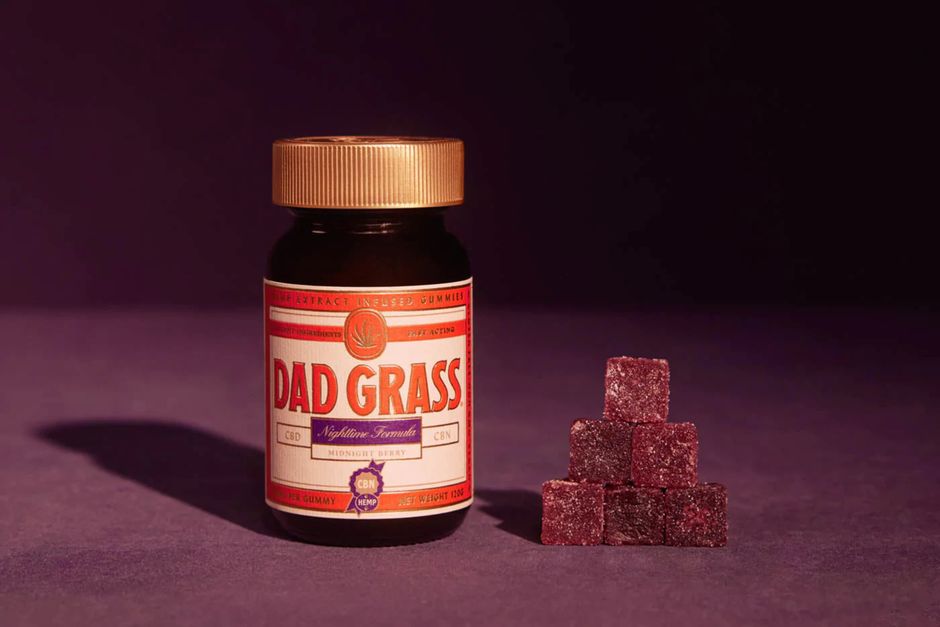
How long THC gummies last depends on the person, not just the dose. Most people feel effects within 30 to 90 minutes and notice them fading over roughly 4 to 8 hours. Some effects, especially drowsiness and grogginess, can linger longer, sometimes into the next morning.
That window is much longer than smoking or vaping, where effects usually start within minutes and taper off in 1 to 3 hours. The reason comes down to how the body handles THC when it enters through the stomach rather than the lungs.
How Long Do THC Gummies Last? The Full Timeline
Edible THC moves through the body in a predictable pattern, but the timing varies widely from person to person. Here is the general timeline most people experience.
- 0 to 30 minutes: Little to nothing. The gummy is being chewed, swallowed, and digested.
- 30 to 90 minutes: Effects begin. This is the typical onset window, though it can stretch to 2 hours or more.
- 1 to 3 hours: Peak effects. This is when the high is usually strongest.
- 4 to 8 hours: Effects gradually fade. Most people feel mostly back to normal by the end of this window.
- Up to 12 hours or longer: Some people, particularly those who took a high dose, still feel groggy, foggy, or tired.
These ranges are not a guarantee. A person who feels nothing at 45 minutes may feel strong effects at 90 minutes. That delay is one of the main reasons edible THC causes more unpleasant experiences than inhaled THC.
Why Do Edibles Take So Long to Kick In?
When you smoke or vape THC, it travels from your lungs into your bloodstream and reaches your brain within seconds to minutes. A gummy takes a completely different route.
After you swallow it, the gummy passes through your stomach and into your intestines. From there, THC is absorbed into the bloodstream through the gut wall. This process is slower and less predictable than absorption through the lungs.
There is another step that matters. THC absorbed through the gut goes first to the liver, where it is broken down into a compound called 11-hydroxy-THC. This metabolite is generally considered more potent and crosses into the brain more readily than THC itself. That is one reason edible effects can feel stronger and last longer than inhaled effects, even when the total THC amount is similar.
This liver conversion is also why the edible experience feels different from smoking. It is not just a slower version of the same thing. The body is processing a different set of active compounds.
What Makes THC Gummies Last Longer or Shorter?
Two people can take the same gummy and have noticeably different experiences. Several factors explain why.
Dose. A higher dose generally produces stronger and longer effects. This is the most direct factor, though it interacts with everything below.
Body weight and body composition. THC is stored in fat tissue and released slowly over time. A person with more body fat may clear THC more slowly than someone with less.
Liver enzyme activity. People vary in how efficiently their liver converts THC into 11-hydroxy-THC. Some produce more of this metabolite, which can mean stronger effects. Others produce less.
Food in the stomach. Eating a fatty meal before or with a gummy can increase THC absorption. Taking a gummy on an empty stomach may lead to a slower or weaker effect. The research on this is not entirely consistent, but the general pattern is that food matters.
Tolerance. Regular cannabis users typically need more to feel the same effect, and the effects may not last as long.
Metabolism and age. A faster metabolism may clear THC more quickly. Older adults may process it more slowly, though individual variation is large.
Other medications. Some drugs affect liver enzymes that break down THC. This can change how long effects last. Anyone taking prescription medications should be aware of possible interactions.





How Long Does THC Stay in Your System?
Feeling the effects and testing positive for THC are two different things. The psychoactive effects usually fade within 4 to 8 hours. THC and its metabolites can be detected in the body for much longer.
Detection times depend on the test used, how often someone uses cannabis, their body composition, and their metabolism. General ranges reported in clinical literature include:
- Blood: Usually detectable for hours to a day or two after use, though heavy users may test positive longer.
- Urine: Often detectable for several days after a single use in occasional users, and weeks in frequent users.
- Saliva: Typically detectable for hours to a couple of days.
- Hair: Can remain detectable for months.
These are broad ranges, not precise cutoffs. A person who uses cannabis daily may test positive for weeks after stopping. Someone who uses once may clear it within days. No method can reliably predict an individual’s detection window.
What Happens If You Take Too Much?
Taking too much THC from an edible does not cause a fatal overdose. It can cause an intensely uncomfortable experience, though.
Common effects of overconsumption include severe anxiety, panic, rapid heart rate, nausea, vomiting, disorientation, and a feeling that the experience will never end. These effects are temporary. They typically peak within a few hours and resolve as the THC is metabolized.
There is no antidote for THC. The main approach is to stay calm, stay hydrated, and wait it out. In a quiet, safe environment, most people feel significantly better within a few hours.
Seek medical attention if someone experiences chest pain, severe vomiting that will not stop, confusion that seems dangerous, or if a child has accidentally eaten a gummy. Child cases are a genuine concern, and emergency care should be sought immediately.
One detail that surprises many people: the peak of an edible high can arrive 2 to 3 hours after eating, which is well past the point when someone might assume the gummy “did not work” and take another. That second dose is a common cause of overconsumption.
How Do THC Gummies Compare to Other Forms?
Different methods of using THC produce different timelines. The table below shows general patterns, not exact predictions.
| Method | Typical Onset | Typical Duration of Effects |
|---|---|---|
| Smoking or vaping | Seconds to minutes | 1 to 3 hours |
| Edibles (gummies) | 30 to 90 minutes | 4 to 8 hours |
| Tinctures (under the tongue) | 15 to 45 minutes | 2 to 6 hours |
| Topicals | No psychoactive effect | Not applicable |
Sublingual tinctures sit between inhaled and edible forms. They are absorbed partly through the tissue under the tongue, which is faster than going through the digestive system, though slower than the lungs.
Topicals do not produce a high because THC is not absorbed into the bloodstream in meaningful amounts through the skin.
Does the Type of Gummy Matter?
Gummies differ in their THC content, and that matters more than the flavor or brand name. A gummy labeled 10 mg THC is not the same as one labeled 50 mg.
Some gummies contain a mix of THC and CBD. CBD can influence how THC affects the body, though the research on this interaction is still developing. Some evidence suggests CBD may reduce certain THC effects, such as anxiety or rapid heart rate, but results are not consistent across studies.
Gummies made with full-spectrum extract contain other plant compounds besides THC. Whether these compounds meaningfully change the duration or character of the effects is not well established. The evidence is limited and mixed.
What is well established: check the label for the THC amount per gummy, not per package. Many packages contain multiple servings, and eating the whole package by mistake is a common source of overconsumption.
Practical Points About Timing
If you are trying a gummy for the first time, the most important thing to understand is the delay. Waiting at least 2 hours before deciding whether to take more is a widely recommended approach, though individual responses vary.
Do not drive or operate machinery until you are certain the effects have worn off. Judgment and reaction time can be impaired even when you feel mostly normal.
If you take prescription medications, talk to a pharmacist or doctor about possible interactions. THC can affect how the liver processes some drugs.
Effects from edibles are not always predictable, even for experienced users. The same dose can feel different on different days depending on food, sleep, and other factors.
Frequently Asked Questions
How long does it take for a THC gummy to kick in?
Most people feel effects within 30 to 90 minutes after eating a gummy. It can take up to 2 hours for some people, depending on food in the stomach, metabolism, and dose.
How long do THC gummies last in your system?
THC from edibles can be detected in urine for several days after a single use and for weeks in frequent users. Detection times vary widely based on the test, frequency of use, and individual factors.
Can a THC gummy last into the next day?
Yes, some people still feel groggy or foggy the morning after taking an edible, especially at higher doses. The main psychoactive effects usually fade within 4 to 8 hours, but residual tiredness can linger longer.
What should I do if a THC gummy is too strong?
Stay calm, drink water, and wait it out in a safe, quiet place. The effects are temporary and typically peak within a few hours. Seek medical help if there is chest pain, severe vomiting, or dangerous confusion.
