
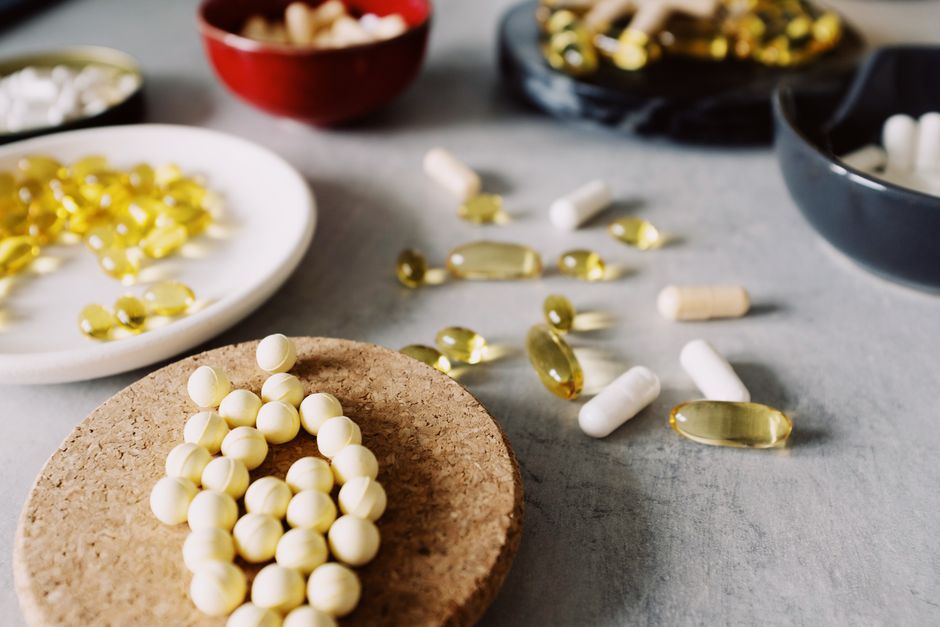
Digestive enzyme supplements start working within 30 to 60 minutes for most people. That is roughly how long it takes for a capsule or tablet to break down in the stomach and release its enzymes into the small intestine, where most digestion happens. If you take them with the first bite of a meal, they are usually active by the time food reaches that part of the gut.
But “working” and “feeling a difference” are two different things. The enzymes may be active right away. Whether you notice anything depends on what is actually causing your symptoms.
What Happens After You Swallow a Digestive Enzyme?
The capsule dissolves first. Most enzyme products come in a capsule or coated tablet designed to survive stomach acid. That coating matters. Stomach acid is strong enough to destroy many enzymes before they ever reach the small intestine, so a protective coating is not a marketing extra — it is often the difference between an enzyme that arrives intact and one that does not.
Once the capsule opens, enzymes mix with food in the stomach. From there, the mixture moves into the small intestine. That is where the bulk of protein, fat, and carbohydrate breakdown occurs. Transit from mouth to small intestine typically takes somewhere in the range of 30 to 60 minutes, though this varies with the size and composition of the meal.
This is why timing your dose matters. Take an enzyme supplement with the first few bites of a meal, not after. If you take it when the plate is empty, the food has already moved on without it.
How Long Do Digestive Enzymes Take to Work for Symptoms?
For symptom relief, the timeline depends entirely on the cause. There is no single answer because “digestive enzymes” covers many different products aimed at very different problems.
For someone with a diagnosed pancreatic enzyme insufficiency, prescription pancreatic enzyme replacement therapy is a medical necessity, not a supplement choice. In that situation, enzymes are taken with every meal and snack, and the goal is to restore fat absorption and reduce symptoms like fatty stools and weight loss. How quickly someone notices improvement varies widely and depends on getting the dose and timing right, which is why this is managed by a doctor.
For lactose intolerance, lactase enzyme taken with dairy can reduce symptoms in people who are lactose malabsorbers. The effect is tied to the meal itself — it works on the lactose you just ate, not on your body’s underlying lactase production. It does not change your tolerance in general.
For general bloating, gas, or “feeling heavy” after meals with no diagnosed condition, the picture is much less clear. Many products in this category have limited or no clinical evidence showing they relieve symptoms. If a supplement seems to help, it may be doing so for reasons unrelated to the enzymes themselves.
Does the Type of Enzyme Change the Timeline?
Different enzymes target different nutrients, but they do not work on dramatically different clocks. Once they reach the small intestine, they act on whatever they are designed to break down. The main differences are about whether they survive the trip at all.
- Proteases break down proteins into smaller peptides and amino acids.
- Lipases break down fats into fatty acids and glycerol.
- Amylases break down starches into sugars.
- Lactase breaks down lactose, the sugar in milk.
Lipase is the enzyme most vulnerable to acid, which is one reason pancreatic enzyme products are formulated and dosed carefully. A poorly protected lipase supplement may lose much of its activity before it reaches the small intestine. This is a formulation issue, not a timing issue.





Why Some People Feel Nothing at All
This is the part most marketing skips. If your pancreas, small intestine, and brush border enzymes are working normally, adding more enzymes to a meal may do very little. Your body is already producing what it needs.
Digestive enzyme supplements are most likely to matter when there is a specific, identified gap — a diagnosed insufficiency, a known intolerance like lactose, or a documented malabsorption problem. When there is no such gap, the supplement has no obvious job to do.
Many symptoms people attribute to “poor digestion” have other causes. Bloating and gas can come from swallowed air, constipation, irritable bowel syndrome, small intestinal bacterial overgrowth, or food intolerances that enzymes will not fix. A supplement that does not address the actual cause will not produce a result, no matter how long you wait.
Here is a point worth knowing: the placebo effect is real and measurable in digestive symptom trials. People in the placebo group often report improvement. So feeling better after starting an enzyme supplement is not proof the enzymes caused it.
What Affects How Fast They Work?
Several practical factors change the timeline:
- Whether you take them with food. Enzymes need to meet the meal. Taken on an empty stomach, they have nothing to act on.
- The coating. Enteric-coated products are designed to release in the small intestine rather than the stomach.
- The dose. Enzyme activity is measured in units, and products vary widely. A dose too low to matter will not matter.
- What you ate. A large, high-fat meal takes longer to empty from the stomach than a light one.
- Your own enzyme production. If your body already makes enough, an added dose has less room to change anything.
Storage matters too. Enzymes are proteins, and heat can degrade them. A bottle left in a hot car may not perform the way it did when fresh.
How to Tell If They Are Working for You
Give it a fair test. Take the product as directed, with meals, for a defined period — a few weeks is a reasonable window — and track your symptoms honestly. If nothing changes, the evidence does not support continuing.
If symptoms are severe, persistent, or include weight loss, fatty or greasy stools, or blood, that is a reason to see a doctor rather than experiment with supplements. Those signs can point to conditions that need a proper diagnosis and, in some cases, prescription treatment.
It is also worth being direct about what the evidence shows. For lactose intolerance, lactase enzyme has reasonable support. For diagnosed pancreatic insufficiency, prescription enzyme therapy is standard medical care. For the broad category of over-the-counter “digestive support” products sold for everyday bloating, the clinical evidence is thin, and no supplement replaces finding out what is actually causing your symptoms.
Frequently Asked Questions
How long do digestive enzymes take to work?
Most enzyme supplements begin releasing their contents within 30 to 60 minutes of being swallowed, which is roughly how long it takes to reach the small intestine. Whether you notice symptom relief depends on the cause of your symptoms, not just the timing.
Should I take digestive enzymes before or with a meal?
Take them with the first few bites of food so the enzymes are present when the meal arrives in the small intestine. Taking them after eating means the food may already have moved past the point where they can help.
Can digestive enzymes help with bloating?
For bloating caused by a specific intolerance like lactose, the right enzyme may help. For general bloating with no diagnosed cause, the clinical evidence for most over-the-counter enzyme products is limited, and bloating often has other causes.
Do digestive enzymes work immediately?
No. They need time to dissolve and travel to the small intestine, so expect roughly 30 to 60 minutes before they are active. Any change in how you feel is usually judged over days to weeks, not minutes.
