
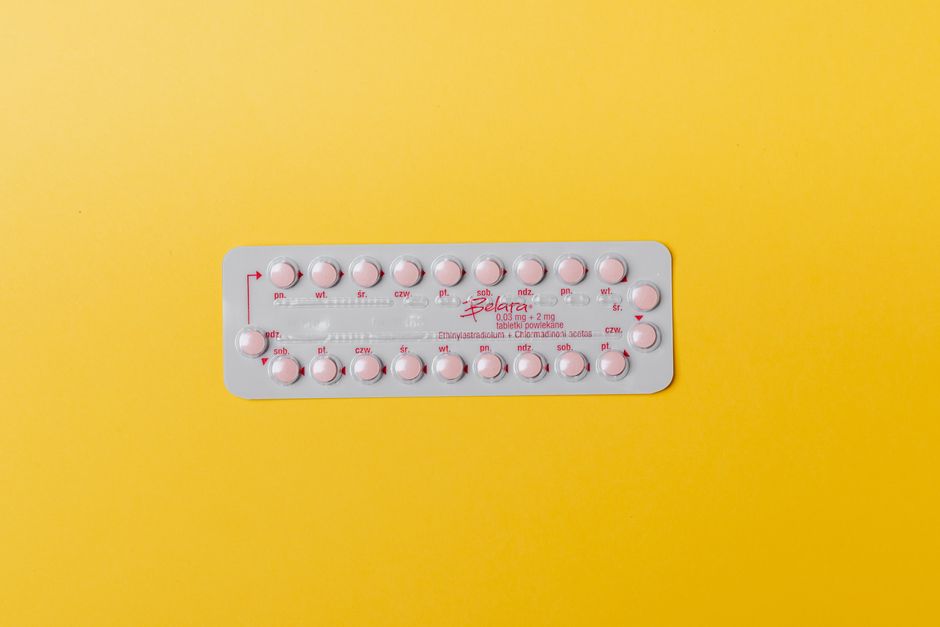
There is no single time limit on estrogen therapy. How long you can safely take estrogen depends on why you are taking it, your age, your personal risk factors, and whether it is estrogen alone or combined with a progestogen. For most healthy women under 60 who start hormone therapy within 10 years of menopause for bothersome symptoms, the evidence supports using the lowest effective dose for as long as benefits outweigh risks, with a review at least once a year. For women who start hormone therapy after age 60 or more than 10 years past menopause, the risk profile changes substantially, and guidelines generally advise against starting it for the first time at that stage.
How Long Can You Take Estrogen Risks And Age Limits?
The most important factor in how long you can take estrogen is not a fixed number of years. It is your age and how long it has been since your last menstrual period.
Estrogen therapy carries different risks depending on when it is started. The evidence consistently shows that the risk of cardiovascular events is higher when hormone therapy is started more than 10 years after menopause or after age 60. For women who start before those thresholds, the picture is more favorable. This timing effect is one of the clearest findings in menopause research.
There is no official maximum duration for estrogen therapy in current guidance. What exists instead is a framework: use the lowest dose that manages your symptoms, reassess regularly, and stop when the balance of benefits and risks shifts. That balance is personal and changes over time.
For women using estrogen alone — which applies to those who have had a hysterectomy — the risk profile is different from combined estrogen plus progestogen. Estrogen alone does not carry the same breast cancer risk signal that combined therapy does. This difference matters when weighing how long to continue.
What Does the Evidence Actually Say About Long-Term Estrogen Use?
The largest body of evidence comes from the Women’s Health Initiative, a set of randomized controlled trials that began in the 1990s and followed thousands of postmenopausal women for years. Those trials were stopped early for different reasons in the estrogen-alone and combined-therapy arms, and the results reshaped how medicine approaches menopause treatment.
What the WHI found, broadly: combined estrogen plus progestogen increased the risk of breast cancer, stroke, and blood clots compared with placebo. Estrogen alone increased the risk of stroke and blood clots but not breast cancer, and was associated with a reduced risk of hip fracture and, in women aged 50 to 59, a possible reduction in heart attack risk.
Those findings have been refined over decades of follow-up and reanalysis. Researchers now understand that age at initiation is a major modifier of risk. Starting hormone therapy in the early postmenopause window appears safer than starting it later. This concept is sometimes called the timing hypothesis, and it is supported by substantial observational and trial data.
What the evidence does not show is that estrogen is safe indefinitely for everyone. It also does not show that estrogen is dangerous for everyone. The risk depends on the individual.
Who Should Not Take Estrogen at All?
Some women should not use estrogen therapy regardless of age or how long it has been since menopause. These are established contraindications.
- A history of breast cancer, or known estrogen-receptor-positive cancer
- A history of blood clots in the veins or lungs, or a known clotting disorder
- A history of stroke or heart attack
- Active or recent liver disease
- Undiagnosed vaginal bleeding
- Known or suspected pregnancy
These are not relative concerns. They are reasons not to use systemic estrogen. For women with these conditions, non-hormonal approaches to symptom management are the appropriate path.
Beyond absolute contraindications, some conditions require caution and individualized decision-making. These include high blood pressure that is not well controlled, diabetes, gallbladder disease, migraines with aura, and a strong family history of breast cancer or blood clots. In these situations, the decision involves weighing personal risk factors against symptom burden, ideally with a clinician who knows your history.





What About Age 60 and the 10-Year Window?
Age 60 and the 10-year mark after menopause are not arbitrary cutoffs. They come from patterns observed in large trials and are reflected in guidance from major menopause and gynecological organizations.
For women under 60 who are within 10 years of menopause and have bothersome symptoms, the evidence generally supports that the benefits of hormone therapy — relief of hot flashes, night sweats, vaginal dryness, and protection against bone loss — outweigh the risks for most healthy women. This is the population where hormone therapy is most clearly indicated.
For women over 60 or more than 10 years past menopause who have not previously used hormone therapy, the guidance generally advises against starting it for the first time. The cardiovascular and stroke risks are higher in this group, and the benefit-to-risk balance shifts unfavorably.
That said, this is not an absolute rule for every individual. Some clinicians will consider hormone therapy for women over 60 who have persistent, severe symptoms and no significant risk factors, but this is a nuanced decision made case by case. It is not the standard approach.
How Long Can You Stay on Estrogen If You Started in the Window?
For women who start hormone therapy within the appropriate window and are doing well, there is no mandatory stop date. Current guidance does not impose a hard limit on duration.
What it does recommend is ongoing reassessment. The general approach is:
- Use the lowest dose that controls your symptoms
- Review the decision to continue at least once a year
- Reassess whenever your health status changes — new diagnosis, new medication, new risk factor
- Consider whether you still need it, or whether a lower dose or a different form would work
Some women take estrogen for a few years and stop when symptoms fade. Others take it for a decade or longer because symptoms persist or because they are also using it to protect bone density. Both patterns are within the range of what clinicians see.
When stopping, tapering the dose gradually is often recommended rather than stopping abruptly. This is common clinical practice, though the evidence on whether tapering reduces symptom rebound compared with sudden discontinuation is not strong. Some women have no difficulty stopping. Others experience a return of symptoms.
Does the Type of Estrogen Change the Risk?
Yes. The form of estrogen, the route of delivery, and whether a progestogen is added all affect the risk profile.
Oral estrogen passes through the liver before reaching the bloodstream. This first-pass effect is thought to contribute to some of the clotting risk associated with oral estrogen. Transdermal estrogen — delivered through a patch, gel, or spray — bypasses the liver and appears to carry a lower risk of blood clots. This difference is supported by observational data and is widely reflected in clinical guidance.
For women who still have a uterus, estrogen alone is not appropriate because it increases the risk of endometrial cancer. A progestogen must be added to protect the uterine lining. This is why combined therapy is used in women with a uterus, and why the risk profile of combined therapy differs from estrogen alone.
The type of progestogen also matters. Some evidence suggests that micronized progesterone may have a more favorable metabolic and breast safety profile than synthetic progestins, though the data are not definitive. This is an area of active research and clinical discussion.
What Happens When You Stop Estrogen?
When estrogen therapy is stopped, symptoms that were being controlled often return. Hot flashes, night sweats, sleep disruption, and mood changes can come back within days to weeks. Vaginal dryness and urinary symptoms tend to return more gradually.
Bone density also declines after stopping estrogen. The protective effect on bone is lost once the medication is discontinued, and bone loss resumes at the rate typical for a woman past menopause. This is one reason why some women continue estrogen longer than they might otherwise — to maintain bone protection, especially if they cannot tolerate other osteoporosis treatments.
For women who stop and find symptoms return, options include restarting at a lower dose, trying a different delivery method, or switching to a non-hormonal approach. Non-hormonal options for hot flashes include certain antidepressants, gabapentin, and other medications, though these have their own side effects and are generally less effective than estrogen for severe symptoms.
Frequently Asked Questions
Can you take estrogen forever?
There is no official maximum duration, but continued use should be reviewed at least once a year with your clinician. For most women, the decision to continue depends on whether symptoms persist and whether the benefit-to-risk balance remains favorable.
Is it safe to take estrogen after age 65?
Guidelines generally advise against starting hormone therapy for the first time after age 60 or more than 10 years past menopause due to higher cardiovascular and stroke risks. Continuing therapy that was started earlier is a different situation and is decided case by case.
What are the risks of long-term estrogen use?
For estrogen alone, the main established risks are stroke and blood clots, with no increased breast cancer risk signal in the largest trial. Combined estrogen plus progestogen carries additional risks including breast cancer. Risks vary by age, route of delivery, and personal health history.
How long can you take estrogen for menopause symptoms?
There is no fixed limit. Many women use it for a few years, while others continue longer if symptoms persist and the risk-benefit balance remains favorable. The key is regular reassessment rather than a predetermined stop date.
