
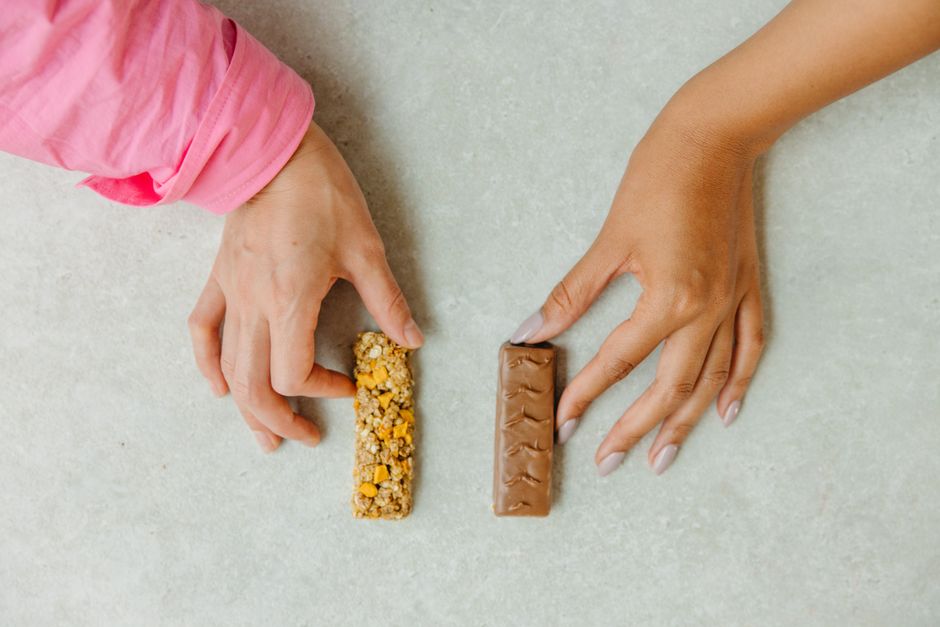
Chocolate does not spoil the way milk or meat does, but it does not last forever. Most chocolate stays at its best quality for 1 to 2 years past its “best by” date when stored properly. Unopened chocolate in a cool, dry place lasts longest. Once opened, chocolate is still safe to eat for months, but the taste and texture will slowly change. The real question is not just how long chocolate lasts, but how storage conditions change it.
How Long Can Chocolate Last Before It Goes Bad?
Chocolate is a shelf-stable food. It contains very little water, which makes it hard for bacteria to grow. That is why chocolate rarely becomes dangerous to eat. The bigger issue is quality, not safety.
Dark chocolate lasts the longest. It has the least milk and sugar, which means fewer ingredients that can break down. High-quality dark chocolate can keep its flavor for 2 to 3 years when stored well. Milk chocolate lasts about 1 to 2 years. White chocolate has the shortest shelf life because it contains milk solids and cocoa butter but no cocoa solids. It may last 6 to 12 months before the flavor turns.
These timelines assume the chocolate is unopened and stored correctly. Once you open the package, the clock moves faster. Air, light, and temperature changes all speed up the aging process.
Does Chocolate Actually Expire?
The date on a chocolate bar is a “best by” date, not a safety date. It tells you when the manufacturer believes the chocolate will be at peak quality. After that date, the chocolate is still safe to eat in almost all cases.
Chocolate does not support the growth of harmful bacteria because it lacks moisture. Botulism, salmonella, and E. coli are not realistic concerns with properly manufactured chocolate. The main risks are mold in rare cases of moisture exposure and rancidity from aging fats.
Rancidity is not dangerous in the way food poisoning is. Rancid fats taste bad, but they do not make you sick in normal amounts. The chocolate will taste stale, sour, or slightly bitter. You will know it has gone bad because it will not taste like chocolate anymore.
What Makes Chocolate Go Bad Faster?
Four things accelerate chocolate’s decline: heat, light, air, and moisture. Each one damages chocolate in a different way.
Heat is the biggest enemy. Chocolate melts at around 93°F (34°C). When chocolate melts and re-solidifies, the cocoa butter separates and rises to the surface. This creates a white or gray film called fat bloom. Fat bloom looks unappealing but is completely safe to eat. The texture will be chalky or crumbly, and the flavor may be duller.
Light causes oxidation. Ultraviolet light breaks down the fats in chocolate, which leads to rancidity. This is why chocolate should be stored in a dark place, not on a sunny counter.
Air dries chocolate out. It also brings in odors. Chocolate absorbs smells from its surroundings easily. A bar stored next to onions or spices will taste like them.
Moisture is the only one that creates a true safety issue. If water gets into chocolate, sugar dissolves and rises to the surface, creating sugar bloom. That is the rough, gritty white layer you sometimes see. More importantly, moisture can allow mold to grow. If you see fuzzy mold on chocolate, throw it away.




How Should You Store Chocolate to Make It Last?
The ideal storage temperature for chocolate is between 60°F and 70°F (15°C to 21°C). Humidity should stay below 50 percent. A pantry or cupboard away from the stove, oven, and dishwasher is usually the best spot.
Keep chocolate in its original wrapper. If the wrapper is opened, wrap the chocolate tightly in plastic wrap or foil, then place it in an airtight container. This protects it from air and odors.
Do not store chocolate in the refrigerator unless you have no other option. The refrigerator introduces moisture and odors. If you do refrigerate chocolate, place it in an airtight container and let it come to room temperature slowly before opening. Rapid temperature changes cause condensation, which leads to sugar bloom.
Freezing chocolate works for long-term storage, but it must be done correctly. Wrap the chocolate tightly, place it in a freezer bag, and squeeze out all the air. When you want to use it, thaw it in the refrigerator first, then let it reach room temperature. Never unwrap frozen chocolate while it is still cold. The condensation that forms will ruin the texture.
Does Expired Chocolate Make You Sick?
In almost all cases, no. Expired chocolate is safe to eat if it has no mold and no off smells. The worst outcome is a bad taste.
There is one exception that matters. Chocolate that contains nuts, dried fruit, or other perishable ingredients can go bad faster than plain chocolate. The added ingredients bring moisture and fats that spoil more quickly. If your chocolate has fillings, follow the shelf life of the most perishable ingredient, not the chocolate itself.
Rancid chocolate will not give you food poisoning. It may upset your stomach if you eat a lot of it, but it will not cause the vomiting and diarrhea associated with spoiled dairy or meat. The fats in chocolate simply oxidize, which changes the flavor but does not create toxins.
How Can You Tell If Chocolate Has Gone Bad?
Use your senses. The chocolate’s appearance, smell, and texture will tell you everything you need to know.
White or gray streaks on the surface are bloom. This is a sign of temperature fluctuation, not spoilage. The chocolate is safe to eat. It will just have a softer texture and less intense flavor.
A dull, flat smell means the chocolate is past its prime. Fresh chocolate has a strong, sweet aroma. If it smells musty, sour, or like old cooking oil, the fats have gone rancid.
Mold is the only clear sign to discard chocolate. Mold appears as fuzzy spots in green, white, or black. It usually means moisture got into the package. Cut off the moldy section? No — throw away the entire bar. Mold roots can extend deeper than what you can see.
If the chocolate has an unusual texture, like crumbly or grainy, it is still safe. It just will not melt smoothly or taste as good as fresh chocolate.
Does Expiration Date Matter for Chocolate?
The “best by” date matters for quality, not safety. Chocolate past its date is safe to eat as long as it looks and smells normal. The date is a manufacturer’s estimate of peak quality, not a safety cutoff.
Some chocolates are made to age. High-quality dark chocolate with a high cocoa percentage can develop deeper flavors over time, similar to wine or cheese. This is not true for milk chocolate or white chocolate, which degrade more quickly.
If you are baking with old chocolate, it will still work. Melted chocolate that has bloomed may be slightly grainy, but it will perform fine in recipes. The flavor may be less rich, so for a dessert where chocolate is the star, fresh chocolate is worth the cost.
For eating out of hand, trust your taste. If it tastes good, it is good. If it tastes flat, waxy, or sour, discard it.
Frequently Asked Questions
Can you eat chocolate 2 years after the expiration date?
Yes, if it is dark chocolate stored properly and shows no signs of mold or rancidity. The flavor will likely be duller, but it is safe to eat.
Does chocolate go bad if it turns white?
No. The white film is fat bloom or sugar bloom, caused by temperature changes or moisture. It is safe to eat, though the texture may be chalky.
How long does chocolate last in the fridge?
Chocolate can last in the fridge for 6 to 12 months, but the refrigerator risks moisture and odor absorption. Use an airtight container and let it warm to room temperature before opening.
Can old chocolate make you sick?
Chocolate rarely causes food poisoning because it lacks the moisture bacteria need to grow. The only real risk is mold, which appears as fuzzy spots and means you should discard the bar.
