
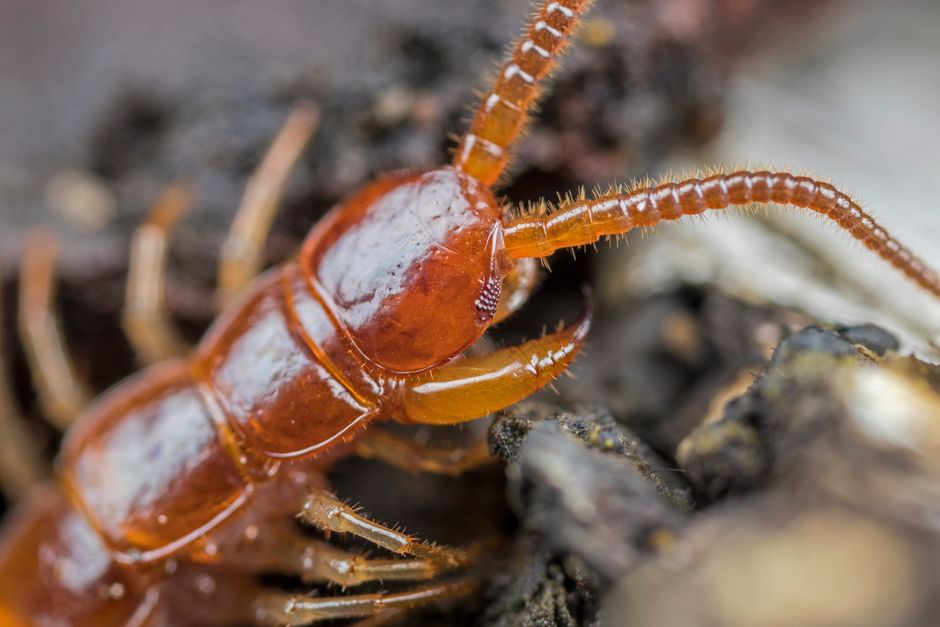
Centipedes are surprisingly resilient creatures. Most house centipedes can survive for several weeks without food, and some species can last for months. Their slow metabolism and ability to conserve energy allow them to endure long stretches between meals, though access to water remains critical for their survival.
How Long Can Centipedes Live Without Food?
Most common house centipedes can live anywhere from 3 to 8 weeks without eating. Larger tropical species, which have slower metabolisms, can survive for several months between meals. This survival window depends heavily on the species, temperature, and whether they have access to water.
Centipedes are not like mammals that need daily fuel. Their resting metabolic rate is very low. When food is scarce, they simply slow down and wait. A centipede in a cool, dark basement may survive much longer than one in a warm, dry living room because cooler temperatures further reduce its energy needs.
Why Can Centipedes Survive So Long Without Eating?
Centipedes store energy in their bodies as fat reserves. When food is unavailable, they draw on these reserves slowly. Their bodies are designed for feast-or-famine living. In the wild, prey like insects and spiders are not always available, so centipedes evolved to handle irregular feeding schedules.
Another factor is their low oxygen consumption. A resting centipede uses very little energy. Their heart rate and respiratory activity drop, and they become less active. This energy-saving state is not the same as hibernation, but it serves a similar purpose. They remain alert enough to catch prey if it appears, but they do not waste energy wandering around.
Water Is More Important Than Food
A centipede can survive longer without food than without water. Dehydration kills centipedes much faster than starvation. In dry conditions, a centipede may die within days even if food is present. This is why centipedes are almost always found in damp areas like bathrooms, basements, and crawl spaces.
Centipedes do not drink from open water sources often. They absorb moisture from their environment through their exoskeleton. They also get water from the bodies of their prey. If a centipede has no access to moisture, its survival time drops dramatically regardless of food availability.




Species Differences in Survival Time
Not all centipedes are the same. The common house centipede (Scutigera coleoptrata) is adapted to indoor living and can survive moderate periods without food. Larger soil-dwelling species, like the giant centipede found in tropical regions, have even slower metabolisms and can survive longer between meals.
Smaller species with faster metabolisms may need to eat more frequently. A tiny soil centipede may not survive more than a week or two without food. The exact survival time for any given species is not precisely documented in research, but the pattern is consistent: larger species with slower metabolisms outlast smaller ones.
How Temperature Affects Survival
Temperature plays a major role in how long a centipede can go without food. In cooler environments, a centipede’s metabolism slows further. This extends its survival time. In warmer environments, metabolism speeds up, and the centipede burns through its energy reserves faster.
A centipede kept at 60°F may survive weeks longer than one kept at 80°F. This is why centipedes are rarely a problem in heated, dry spaces. They prefer cooler, humid areas where their energy demands stay low. If you are trying to understand how long a centipede can survive in your home, temperature and humidity matter more than the presence of food.
What Do Centipedes Eat?
Centipedes are predators. They eat insects, spiders, worms, and other small arthropods. House centipedes are particularly useful because they hunt cockroaches, silverfish, and bed bugs. They kill prey with venomous claws located just behind their head.
Centipedes do not eat plants or decaying matter. They require live prey. This means a centipede in a home with no insects will eventually starve. However, most homes have enough small insects to support a centipede population indefinitely. If you see centipedes regularly, it often means there is a steady supply of other pests for them to eat.
Can a Starving Centipede Still Bite?
Yes. A centipede that has not eaten for weeks can still bite. Starvation does not disable their venom delivery system. Their venom glands remain functional, and they will defend themselves if threatened. The bite of a small house centipede is usually no worse than a bee sting, but larger species can deliver a painful bite that requires medical attention.
Do not assume a weak or slow centipede is harmless. Even a dehydrated or starving centipede can inflict a defensive bite. This is especially important if you have small children or pets in the home. If you need to remove a centipede, use a jar and a piece of paper rather than handling it directly.
How to Prevent Centipedes From Surviving in Your Home
If you want to reduce centipede survival in your home, focus on their basic needs. Remove their food source by controlling other insects. Reduce humidity with dehumidifiers in basements and bathrooms. Seal cracks and gaps around doors, windows, and foundation walls.
Centipedes are not a sign of poor housekeeping. They are a sign that other insects are present. Eliminating their prey is the most effective long-term strategy. Sticky traps can help you identify where centipedes are coming from. Pesticides are rarely necessary and often ineffective because centipedes hide in hard-to-reach spaces.
Do Centipedes Die Quickly After Moving Indoors?
House centipedes are the exception. They are well adapted to indoor life and can live for years inside a home if conditions are right. Other centipede species that wander indoors by accident will die within days because the indoor environment is too dry for them.
If you see a large, dark centipede in your home, it is likely a stray that will not survive long. If you see small, fast-moving centipedes with long legs, those are house centipedes. They can establish a population and survive indefinitely as long as they have moisture and prey.
Frequently Asked Questions
Can a centipede survive a month without food?
Yes, most house centipedes can survive a month without food. Their slow metabolism and energy reserves allow them to last several weeks, especially in cooler conditions.
Do centipedes need water to survive?
Yes, water is essential. Centipedes die from dehydration much faster than from starvation, so moisture is the most critical factor for their survival.
Are centipedes dangerous if they bite?
Small house centipedes can bite but the wound is usually mild, similar to a bee sting. Larger tropical species can deliver a painful bite that may require medical care.
What attracts centipedes to a home?
Centipedes are attracted to moisture and the presence of other insects. Damp basements, bathrooms, and crawl spaces with prey insects are the most common entry points.
