
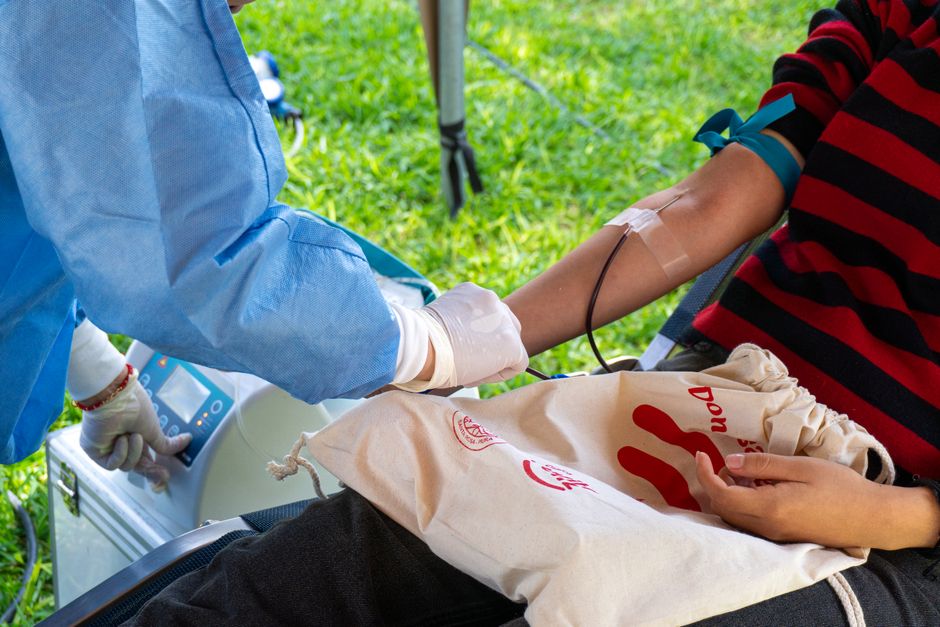
Plasma donation centers have a rule about eating, and it is not a suggestion. Most centers ask you to eat a normal meal within about two to three hours before your appointment. Arriving on an empty stomach is one of the most common reasons people feel lightheaded or faint during or after the procedure.
That timing matters because plasma donation pulls fluid and protein out of your bloodstream. Your body needs fuel and hydration on board before it starts. Eat too early and you may be hungry again by the time you are in the chair. Eat too late and you may feel full, queasy, or rushed. The two-to-three-hour window is the sweet spot most collection centers recommend.
Why Does Eating Before Plasma Donation Matter So Much?
Plasma is about 90 percent water, and it carries proteins, electrolytes, and other dissolved substances through your blood. When you donate, a machine draws whole blood, separates out the plasma, and returns the blood cells and platelets to you along with some fluid. You lose a meaningful volume of plasma in the process.
Your body replaces that plasma volume over the following days, but it does not happen instantly. In the hours right after donation, your blood volume is lower than usual. That is why centers push food and fluids so hard beforehand. A recent meal helps keep your blood sugar steady and gives your body something to work with while it adjusts.
Low blood sugar and dehydration are the two biggest drivers of donation-related dizziness. A person who skipped breakfast and had nothing but coffee is far more likely to feel faint than someone who ate eggs and toast and drank water. This is not a fringe concern — fainting reactions are common enough that centers screen for them and watch donors closely.
What Should You Eat Before Donating Plasma?
A balanced meal with protein and complex carbohydrates is the standard advice. Protein digests slowly and helps sustain blood sugar. Carbohydrates give you quicker energy. Together they cover both the short and longer window.
Foods that tend to work well include:
- Eggs with whole-grain toast
- Oatmeal with peanut butter or nuts
- Chicken or turkey with rice and vegetables
- Beans, lentils, or other legumes
- Yogurt with fruit and granola
- A turkey or tuna sandwich on whole-grain bread
Iron-rich foods deserve a mention. Donating plasma does not remove red blood cells the way a whole-blood donation does, so iron loss is far less of a concern. Still, many plasma donors are also regular whole-blood donors or have low iron to begin with. If your iron runs low, foods like lean red meat, spinach, and fortified cereals can help. Ask your center if you are unsure about your iron status.
What Should You Avoid Eating or Drinking Before Donation?
Fatty foods are the main thing to limit in the hours before you donate. High-fat meals can make your plasma look milky or cloudy, a condition centers sometimes call lipemic plasma. That cloudiness comes from fat particles circulating in your blood after a heavy meal.
Lipemic plasma is not dangerous to you, but it can make your donation unusable. Centers may defer you or discard the collection if the sample is too cloudy to process. A greasy fast-food meal two hours before your appointment is a real risk for this.
Other things to watch:
- Alcohol — avoid it for at least 24 hours before donating. It dehydrates you and can affect your eligibility.
- Caffeine — a little is usually fine, but too much on an empty stomach can raise your heart rate and worsen jitters.
- Heavy, greasy, or fried meals — these are the biggest culprits for cloudy plasma.
- Very large meals — eating a huge meal right before can leave you feeling uncomfortable in the chair.
Hydration matters as much as food. Drink water steadily in the hours before your appointment. Many centers suggest drinking several glasses of water in the two to three hours leading up to donation. Being well hydrated helps your veins cooperate and reduces the chance of a dizzy spell.




How Long Before Donating Plasma Should You Eat — the Timing Rule
Two to three hours before your appointment is the target most centers give. That window lets your food digest enough that you are not uncomfortably full, while keeping your blood sugar steady through the donation.
If you cannot manage a full meal in that window, a substantial snack still helps. A banana with peanut butter, a handful of nuts, or a granola bar eaten an hour or so before can take the edge off. The goal is to avoid arriving with an empty tank.
Do not eat a heavy meal in the ten minutes before you sit down. Digestion pulls blood flow toward your gut, and lying still for the length of a donation with a full stomach can feel unpleasant. It also does not give your body time to absorb the nutrients before the procedure starts.
Does the Type of Donation Change the Advice?
Plasma donation and whole-blood donation are different procedures, and the food advice is not identical. Whole-blood donation removes red blood cells along with plasma, which is why iron and hemoglobin get so much attention there. Plasma donation returns your red blood cells, so iron loss is much less of a factor.
What plasma donation does remove is fluid and plasma proteins. That makes hydration and steady blood sugar the priorities. The two-to-three-hour meal window applies to plasma donation specifically, though many centers give similar general guidance for other donation types.
Some centers also recommend eating something after your donation, not just before. A snack and fluids in the recovery area help your body start replacing what it lost. Do not skip that step just because you ate beforehand.
What Happens If You Do Not Eat Before Donating?
Skipping a meal raises your odds of a vasovagal reaction — the sudden drop in heart rate and blood pressure that causes fainting. Symptoms can include dizziness, sweating, nausea, and a sudden feeling of warmth. It can happen during the donation or shortly after when you stand up.
Most reactions are brief and resolve once you lie down and get fluids. Staff are trained to handle them. But they are unpleasant, and they can mean you are deferred from donating again for a period of time depending on center policy.
Eating beforehand is one of the simplest things you can control. It does not guarantee you will feel fine, because hydration, sleep, and individual factors all play a role. But arriving fed and hydrated removes two of the biggest avoidable triggers.
Other Things That Affect How You Feel During Donation
Food is only one piece. Sleep matters. Donating when you are exhausted makes a dizzy spell more likely. So does donating in the heat of the day without enough water.
Some medications and health conditions affect eligibility, and these vary by center and by state. Blood pressure, hemoglobin levels, and weight all get checked at screening. If you have a chronic condition or take prescription medication, ask the center directly rather than assuming you are cleared. The rules are specific and they change.
First-time donors often feel more anxious, and anxiety itself can trigger a faint. Telling the staff it is your first time helps them keep a closer eye on you. It is a normal thing to say and they hear it constantly.
Frequently Asked Questions
How long before donating plasma should you eat?
Most centers recommend eating a normal meal about two to three hours before your appointment. This keeps your blood sugar steady without leaving you uncomfortably full during the procedure.
Can I donate plasma on an empty stomach?
You can, but it significantly raises your risk of dizziness and fainting. Centers strongly advise against it and may send you home if you have not eaten.
What foods should I avoid before donating plasma?
Avoid fatty, greasy, and fried foods, which can make your plasma cloudy and unusable. Also skip alcohol for at least 24 hours before your appointment.
Should I drink water before donating plasma?
Yes, hydration is as important as eating. Drink several glasses of water in the two to three hours before your appointment to help your veins and reduce dizziness.
