
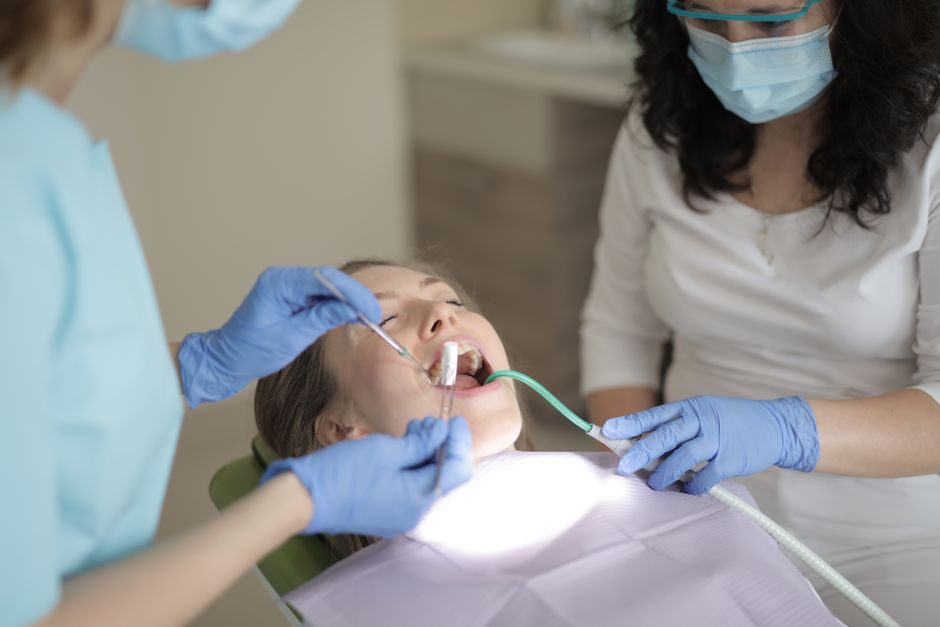
The short answer: for a routine cleaning, you can eat right up to the appointment, but you should brush and floss afterward. For any procedure involving numbing, fillings, or extractions, you should eat a light meal about two hours before your appointment. The real answer depends entirely on what kind of dentist appointment you have scheduled today.
What Type of Appointment Do You Have?
Dentists do different kinds of work. Each type has different rules about eating beforehand. A routine cleaning is not the same as a tooth extraction. Knowing which category you fall into is the first step.
If you are only getting a check-up and cleaning, the main concern is food debris. Large particles of food can hide between teeth and make the cleaning less effective. The hygienist will remove plaque and tartar, but loose food bits can get in the way. Eating a meal right before a cleaning is not dangerous. It is just inconvenient for the dental team.
If you are having a filling, crown, root canal, or any procedure that requires local anesthesia, the rules change. Numbing injections temporarily paralyze parts of your mouth. This includes your lips, cheeks, and tongue. You will not feel your mouth normally for several hours after the procedure. Eating while numb can lead to biting your cheek or tongue without realizing it.
If you are having a tooth pulled or oral surgery, you need to plan more carefully. An empty stomach is not required, but a heavy meal right before sedation or surgery can cause nausea. A light meal two to three hours before the appointment is the standard advice for most oral surgery cases.
Why Numbing Changes Everything
Local anesthetics like lidocaine block pain signals in the nerves. The effect lasts anywhere from one to four hours depending on the type of anesthetic used and the amount injected. During that time, your mouth feels like a foreign object. You cannot feel your lip when you touch it. You cannot tell if you are chewing on your cheek.
This is why the two-hour rule exists for procedures with numbing. Eating a full meal two hours before the appointment gives your body time to digest. By the time the numbing wears off, you are ready for your next meal without the risk of injuring yourself.
There is another reason to avoid eating right before a numbing procedure. The injection itself can be harder to tolerate on a full stomach, especially if you feel anxious. A light snack is fine. A heavy, greasy meal is not a good idea if you are prone to nausea.
Eating Before a Routine Cleaning
For a standard cleaning appointment, there is no medical reason to fast. You can eat breakfast or lunch before you go. The only downside is that the hygienist may need to spend extra time removing food particles from your teeth.
If you do eat before a cleaning, brush and floss thoroughly afterward. This removes most of the loose debris. It also makes the cleaning more efficient and comfortable. The hygienist will still do a complete job, but starting with a clean mouth is better for everyone.
Some people prefer to eat after their cleaning. This is also fine. There are no restrictions on eating after a routine cleaning. Your teeth might feel sensitive to cold or hot foods for a day or two, but that is not a reason to skip eating.


Eating Before a Filling or Crown
Fillings and crowns almost always involve numbing. That means the two-hour rule applies. Eat a light meal about two hours before your appointment. Avoid anything that requires heavy chewing or leaves sticky residue.
After the procedure, wait until the numbness completely wears off before eating. This usually takes two to three hours. Test your lip by gently biting it. If you cannot feel the bite, you are not ready to eat. When you do eat, start with soft foods on the opposite side of your mouth from the work that was done.
For temporary crowns, there is an additional concern. Temporary cement is not as strong as permanent cement. Sticky foods like caramel, taffy, or chewing gum can pull a temporary crown off. Avoid these until the permanent crown is placed.
What About Sedation or IV Anesthesia?
If your dentist uses sedation, the rules are different. Nitrous oxide, commonly called laughing gas, wears off quickly. You can usually eat normally before and after, though a light meal is still wise.
Oral sedation or IV sedation requires more caution. Your dentist will give you specific instructions before the appointment. These often include fasting for a certain number of hours. This is not about the dentist’s preference. It is about preventing aspiration, which happens when stomach contents enter your lungs during sedation.
Always follow the exact fasting instructions your dental team gives you for sedation appointments. If they say no food after midnight, that means no food after midnight. Do not assume a small snack is fine. Aspiration is a serious complication, and the fasting rules exist to prevent it.
Can You Drink Before a Dentist Appointment?
Water is almost always fine before a dental appointment. Staying hydrated is good. For routine cleanings, drink water whenever you like. For procedures with numbing, water is fine up until the appointment starts.
Coffee and tea are more complicated. Caffeine can make you jittery, which is not helpful if you are already anxious about the dentist. Coffee also stains teeth, and some dentists prefer a clean surface for shade matching during cosmetic work. If you are getting a tooth whitening or veneer consultation, skip the coffee for a few hours beforehand.
Alcohol should be avoided entirely before any dental appointment. Alcohol thins the blood and can increase bleeding during procedures. It also interacts poorly with local anesthetics and sedation medications. Do not drink alcohol within 24 hours of a dental procedure that involves numbing or sedation.
What to Eat If You Need to Eat Before a Procedure
If you need to eat before a procedure, choose your food carefully. The goal is a light meal that digests quickly and does not leave residue in your mouth.
- Yogurt or applesauce
- Scrambled eggs
- Soup or broth
- Bananas
- Toast with no sticky toppings
Avoid foods that are crunchy, sticky, or heavily spiced. Popcorn, nuts, and chips can get lodged in teeth and gums. Sticky foods like dried fruit or caramel can be hard to remove. Spicy foods can irritate your gums, especially if you have any inflammation or are having a procedure that involves gum tissue.
If you are having a procedure that requires you to fast completely, do not eat anything. Not even a small piece of candy or a sip of juice. The fasting rules are in place for your safety.
What About Children and Dentist Appointments?
Children have the same general rules as adults. For cleanings, they can eat beforehand. For procedures with numbing, a light meal two hours prior is fine.
Children are more likely to bite their lips or cheeks while numb. This is because they do not understand why their mouth feels strange. Watch children closely after a numbing procedure. If you see them chewing on their lip, gently remind them not to. A bitten lip can take a week or more to heal and is painful.
For young children having sedation, follow the dentist’s fasting instructions exactly. Children are more vulnerable to complications from sedation, and the fasting rules are not optional.
Common Mistakes People Make
The most common mistake is eating too close to a numbing procedure. People think a quick snack ten minutes before the appointment is fine. It is not. The food sits in your stomach while the numbing is active, and you cannot eat for hours afterward. You end up hungry, uncomfortable, and at risk of biting your cheek when you finally do eat.
Another mistake is assuming all dental appointments are the same. A cleaning and a root canal have completely different preparation requirements. Always ask your dentist’s office what to expect before your appointment. They will tell you if there are any specific instructions for your procedure.
The third mistake is eating on one side of the mouth after a procedure. This is a good strategy in the first few hours after numbness wears off. But some people continue this habit for days, which can cause jaw strain and uneven wear on teeth. Return to normal chewing as soon as you are comfortable.
Frequently Asked Questions
Can I eat breakfast before a dentist appointment?
Yes, if it is a routine cleaning or check-up. For procedures with numbing, eat a light meal about two hours beforehand.
How long after a filling can I eat?
Wait until the numbness wears off completely, which usually takes two to three hours. Start with soft foods on the opposite side of your mouth.
Can I drink coffee before the dentist?
Water is fine anytime. Coffee is okay before a cleaning, but skip it before cosmetic work or procedures where you need to stay calm and still.
What happens if I eat before sedation dentistry?
Eating before sedation can cause nausea and increase the risk of aspiration. Follow your dentist’s fasting instructions exactly, and do not eat if they told you to fast.
