
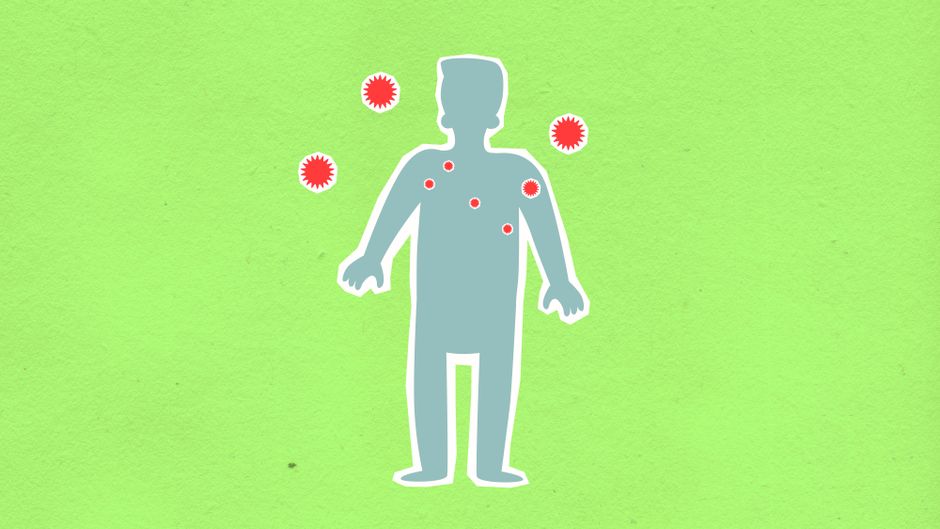
Shingles itself is not contagious. You cannot catch shingles from someone who has it. But the virus that causes shingles — varicella-zoster virus (VZV) — can spread from shingles blisters to people who have never had chickenpox and are not vaccinated against it. That spread causes chickenpox, not shingles. A person with shingles is generally considered able to transmit the virus from the time blisters first appear until every blister has dried and crusted over, which usually takes about 7 to 10 days.
The contagious window is tied to the rash, not to how you feel. Once all lesions have formed scabs, the risk of passing the virus along is considered over. People with shingles should keep the rash covered and avoid contact with people at higher risk until that point.
How Long Are You Contagious With Shingles?
The contagious period runs from the moment the rash appears as fluid-filled blisters until all of those blisters have crusted over. For most people, that spans roughly 7 to 10 days.
Before the rash shows up, shingles often begins with burning, tingling, or shooting pain in a band or strip on one side of the body. That early phase is not considered contagious because there are no blisters yet. The virus spreads through direct contact with the fluid inside the blisters, not through the air from normal breathing or talking.
Timelines vary. Some people develop new blisters for several days before the rash begins to dry. Older adults and people with weakened immune systems may take longer to heal, which can stretch the contagious window. A crusted-over rash is the practical marker — not a fixed number of days.
What Actually Spreads — Shingles or Chickenpox?
Contact with shingles blisters can cause chickenpox in someone who is not immune. It does not cause shingles.
This is one of the most misunderstood points about the condition. Shingles happens when VZV — the same virus that causes chickenpox — reactivates inside a person’s body years after their original infection. You cannot “catch” that reactivation from someone else. What can be passed along is the virus itself, and in a person who has never had chickenpox or been vaccinated, the resulting illness is chickenpox.
So the answer to “is shingles contagious?” is no in the strict sense, and yes in a practical one. The virus is contagious; the shingles episode is not.
How Does the Virus Actually Spread?
Varicella-zoster virus spreads from shingles through direct contact with the fluid in the blisters. It does not spread through casual contact like sitting near someone or shaking their hand.
The virus enters the body through broken skin or the mucous membranes of the mouth, nose, or eyes. Touching a blister and then touching your face is one route. Sharing towels, clothing, or bedding with someone who has an active, uncovered rash is another.
Airborne spread from shingles is possible but uncommon. It is more of a concern in healthcare settings and mainly with widespread rash, which is more likely in people with weakened immune systems. For a typical case with a localized rash on one side of the body, direct contact with the blisters is the main route.




Who Is at Risk of Catching the Virus?
Only people who have never had chickenpox and have not been vaccinated against it are at risk of catching VZV from someone with shingles. Most adults in the US born before 1980 had chickenpox as children and are therefore immune.
The people who need the most protection are those for whom chickenpox can be serious:
- Pregnant women who have never had chickenpox and are not vaccinated
- Newborns and infants too young to be vaccinated
- People with weakened immune systems from illness or certain medications
- People who have never had chickenpox and have never been vaccinated
If you have shingles and live with or care for anyone in these groups, it is worth talking to a clinician about how to reduce exposure. Keeping the rash covered and washing hands often lowers the risk.
When Are You No Longer Contagious?
You are considered no longer able to spread the virus once every blister has dried and formed a crust. For most people that happens within about 7 to 10 days of the rash appearing.
The scabbing is the signal, not the calendar. If new blisters are still forming, the rash is still active. If all lesions are crusted, the contagious phase is generally over.
People with weakened immune systems may take longer to reach that point, and their rash can sometimes be more widespread. A clinician can advise on when the risk has passed in those cases.
How Can You Reduce the Risk of Spreading It?
Keeping the rash covered is the single most effective step. A loose bandage or clothing over the blisters blocks the direct contact that spreads the virus.
Other practical measures:
- Wash hands often with soap and water, especially after touching the rash
- Do not scratch or pick at blisters
- Do not share towels, clothing, or bedding while the rash is active
- Avoid close contact with pregnant women, newborns, and people with weakened immune systems until the rash has crusted
- Stay home from work or school if the rash cannot be fully covered, particularly if you are around people at higher risk
Shingles is not a reason to isolate completely from healthy adults who have had chickenpox or been vaccinated. The goal is to protect the people who are not immune.
Can You Get Shingles From Someone Else?
No. Shingles cannot be passed from person to person. It comes from reactivation of virus already dormant in your own body.
After you have chickenpox, VZV stays in nerve tissue near the spinal cord and brain. It can reactivate years or decades later, often when the immune system is stressed or simply with age. That reactivation produces shingles, and it is a personal event, not an infection you catch.
This matters for how you think about prevention. Avoiding people with shingles will not protect you from shingles. The chickenpox vaccine and the shingles vaccine are the tools that reduce risk, and vaccination status is worth discussing with a clinician.
What About the Shingles Vaccine and Spreading the Virus?
The shingles vaccine does not make you contagious. The vaccine is not a live virus that can spread to others.
There are two shingles vaccines used in the US, and guidance on who should receive them has evolved over time. Current recommendations are best confirmed with a clinician or pharmacist, since eligibility depends on age and health history. What is well established is that vaccination lowers the risk of shingles and its complications, including postherpetic neuralgia — lingering nerve pain that can last for months.
If you already have shingles, the vaccine is not a treatment for the current episode. It is a preventive measure for the future.
The Bottom Line
Shingles is not contagious, but the virus behind it can spread through blister fluid and cause chickenpox in people who are not immune. The contagious window lasts from the first blisters until all of them have crusted, usually about 7 to 10 days. Keeping the rash covered, washing hands, and avoiding close contact with pregnant women, newborns, and people with weakened immune systems covers the main precautions.
If you are unsure whether you are still in the contagious phase, look at the rash. Crusted lesions mean the risk has largely passed. New blisters mean it has not.
Frequently Asked Questions
Can you be around someone with shingles if you’ve had chickenpox?
Yes. If you have had chickenpox or been vaccinated against it, you are generally not at risk of catching the virus from someone with shingles. The concern is mainly for people who have never had chickenpox and are not vaccinated.
How long after exposure to shingles would chickenpox appear?
If someone who is not immune catches the virus from shingles blisters, chickenpox symptoms typically appear about 10 to 21 days after exposure. A person is contagious for a day or two before the rash appears and until all chickenpox blisters have crusted.
Is shingles contagious through the air?
Airborne spread from shingles is possible but uncommon, and it is mainly a concern with widespread rash in people with weakened immune systems. For a typical localized rash, direct contact with blister fluid is the main route.
When can I go back to work with shingles?
There is no single rule. If the rash can be fully covered and you do not work with pregnant women, newborns, or people with weakened immune systems, many people continue normal activities. If you work in healthcare or around high-risk groups, ask a clinician before returning.
