
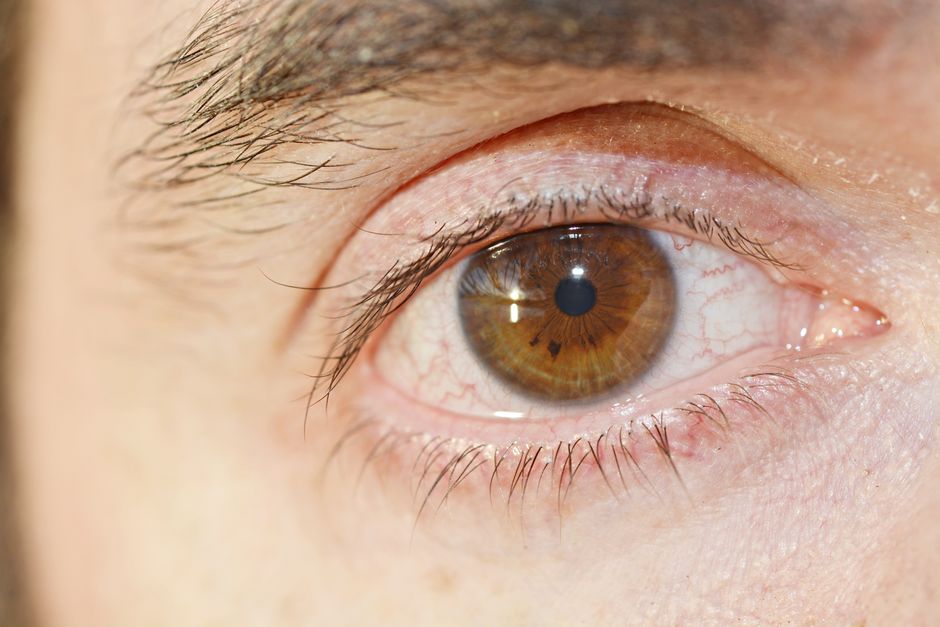
Yes, viral conjunctivitis is contagious. It spreads mainly through direct contact with the eye secretions of an infected person, and sometimes through respiratory droplets. The contagious period typically begins before symptoms appear and can last for several days to a couple of weeks after they start.
Is Viral Conjunctivitis Contagious?
It is, and it is the most common cause of infectious pink eye. The virus lives in the tears and discharge from the eye. When those fluids get onto a hand, a towel, a pillowcase, or a surface, the virus can move to the next person who touches it and then touches their own eye.
Adenovirus is the virus responsible for most cases. It is unusually hardy. It can survive on surfaces and objects long enough to be picked up hours after the infected person has left the room. That is one reason viral conjunctivitis moves quickly through households, schools, and offices.
Not every case spreads the same way. Some adenovirus strains cause a mild, watery pink eye that clears in a week. Others cause a more severe form with significant pain, light sensitivity, and sometimes blurred vision. The strain matters for how long someone stays contagious and how sick they get.
How Does Viral Conjunctivitis Spread?
Contact with infected eye fluid is the main route. This is not an airborne disease in the way that measles or chickenpox are. You do not get it simply by being in the same room as someone with pink eye.
The chain usually works like this:
- An infected person touches their eye, then touches a doorknob, phone, or countertop.
- Someone else touches that surface, then rubs their own eye.
- The virus enters the new person’s eye and begins to multiply.
Shared items matter a lot. Pillows, towels, washcloths, makeup brushes, and contact lens cases can all carry the virus. Healthcare workers who examine eyes are at higher risk, which is why slit lamps and other equipment get disinfected between patients.
Respiratory droplets can also play a role with some adenovirus strains, particularly in close quarters. But the eye-to-hand-to-eye route is the one that drives most household and workplace spread.
One clarification worth making: the discharge from viral conjunctivitis is usually watery or teary, not thick and colored. Thick yellow-green pus points more toward a bacterial cause. That distinction matters because the two are treated differently and have different contagious profiles.
How Long Is Someone With Viral Conjunctivitis Contagious?
The contagious window starts before the eye looks red. A person can shed virus for a day or two before any symptoms show up. That is part of why these outbreaks are hard to contain.
Once symptoms appear, the person typically remains contagious for several days. With mild adenovirus cases, that might mean about a week. With more severe strains, the window can stretch to two weeks or longer.
The most reliable signal that someone is no longer contagious is the resolution of symptoms. When the redness, tearing, and discharge have cleared, the risk of passing it on drops sharply. There is no simple at-home test that tells you the exact day the virus stops shedding.
Some clinicians advise staying home from work or school while the eye is actively red and watering. This is common practice rather than a rule backed by a specific trial. The guidance varies between health departments and school districts.





How Long Does Viral Conjunctivitis Last?
Most cases resolve on their own within one to two weeks. Adenoviral conjunctivitis tends to follow a predictable pattern: one eye starts, and the other often follows within a few days.
The early phase is the wettest. Tears and watery discharge are at their peak. As the infection runs its course, the redness fades and the tearing settles. A dry, gritty feeling can linger for a short time after the eye looks normal again.
A minority of cases take longer. Some adenovirus strains cause a more prolonged course with corneal involvement, where the clear front surface of the eye becomes inflamed. This can cause light sensitivity, a foreign body sensation, and blurred vision that outlasts the visible redness. When that happens, an eye doctor should be involved.
Viral conjunctivitis does not respond to antibiotic eye drops. Antibiotics kill bacteria, not viruses. Using them for a viral infection does nothing for the illness itself and adds unnecessary medication exposure.
How Do You Keep It From Spreading?
Hand hygiene is the single most effective step. Washing hands with soap and water, especially after touching the face or handling items that might have been near the infected eye, breaks the main transmission chain.
Practical steps that help:
- Use a separate towel and washcloth for the infected person, and wash them in hot water after each use.
- Change pillowcases often while symptoms are active.
- Do not share eye makeup, and throw away any eye makeup that may have been contaminated.
- Clean surfaces that get touched often, such as phones, keyboards, and countertops.
- Avoid rubbing the eyes, and wash hands immediately if you do.
- Keep children with active symptoms home from school or daycare until the eye is no longer red and watering.
Contact lens wearers should stop wearing lenses while the eye is infected and until it has fully healed. Lenses and cases can hold onto the virus and reinfect the eye. A new pair of lenses and a fresh case after recovery is the safer route.
For healthcare workers or anyone caring for someone with a severe case, eye protection can reduce the risk of droplet exposure. This is standard practice in clinical settings.
When Should You See a Doctor?
Many cases of viral conjunctivitis are mild and can be managed at home. But some signs warrant a medical visit.
See a doctor if:
- There is moderate to severe eye pain, not just irritation.
- Vision is blurry or reduced and does not clear when you blink.
- Light sensitivity is significant.
- Symptoms are getting worse after several days rather than better.
- There is a lot of thick, colored discharge.
- You have a condition that weakens the immune system, or you wear contact lenses and develop symptoms.
- The eye is very red, or there is a feeling that something is stuck in the eye.
A doctor can usually tell viral from bacterial conjunctivitis by examining the eye and asking about symptoms, though the two can be hard to distinguish in some cases. When the diagnosis is unclear, a doctor may take a sample of the discharge for testing.
There is no antiviral eye drop approved for routine adenoviral conjunctivitis in most cases. Treatment is supportive: cold compresses, artificial tears, and time. Some clinicians use topical steroids for severe corneal involvement, but this is a decision for an eye care professional, not a self-treatment.
What About Bacterial and Allergic Pink Eye?
Not all pink eye is viral, and the differences matter for both treatment and contagion.
| Type | Usual cause | Contagious? | Typical discharge |
|---|---|---|---|
| Viral | Adenovirus and others | Yes | Watery or teary |
| Bacterial | Staphylococcus, Streptococcus, and others | Yes, but less easily than viral | Thick, yellow-green |
| Allergic | Pollen, dust, pet dander | No | Watery, often with itching |
Bacterial conjunctivitis is also contagious, though it generally spreads less readily than the viral form. It often responds to antibiotic drops, which is why the distinction matters. Allergic conjunctivitis is not contagious at all. It is an immune reaction, not an infection, and it usually affects both eyes with intense itching.
The itch is a useful clue. Viral and bacterial conjunctivitis can both cause a gritty, irritated feeling, but intense itching that comes in waves points more toward allergy.
Frequently Asked Questions
How long is viral conjunctivitis contagious?
A person is usually contagious from a day or two before symptoms start until the eye stops being red and watering, which is often about one to two weeks. Some severe adenovirus strains can shed virus longer.
Can you get viral conjunctivitis twice?
Yes. There are many different viruses that cause it, and immunity to one type does not protect against others. Reinfection with the same strain is possible but less common.
Is viral conjunctivitis contagious through the air?
Mainly it spreads through direct contact with eye secretions, not through the air. Some adenovirus strains can spread through respiratory droplets in close contact, but the eye-to-hand-to-eye route is the main one.
Should you stay home from work with viral conjunctivitis?
Many clinicians advise staying home while the eye is actively red and watering, especially for jobs involving close contact with others. Specific rules vary by workplace and local health guidance.
